
Our History
Blackpool, 1978
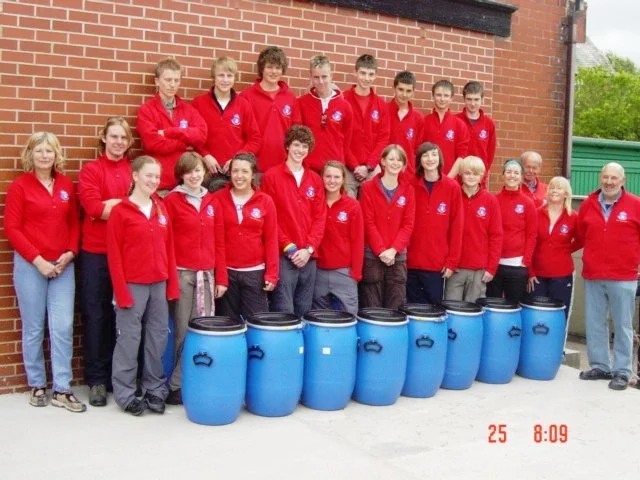
Windmill Youth Group's story starts with Police Inspector Stuart Sykes of Lancashire Constabulary.
Working with young people in Blackpool, Stuart believed that prevention, responsibility and opportunity could achieve things that enforcement alone could not.
With the support of his Chief Constable, a Duke of Edinburgh's Award initiative began at Bonny Street police station. Weekly meetings brought young people together around service, responsibility and personal development. As the scheme grew, members of the team undertook additional training so they could support expedition activity and the wider Award.
By the end of the 1980s, the work had outgrown its original police setting. Stuart retired from the police in 1989 after 32 years of service, but the youth work continued independently.
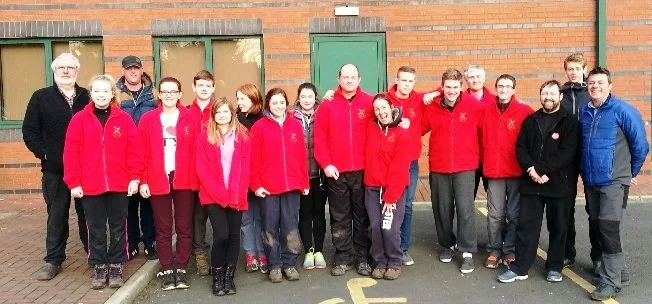
Across the decades, young people volunteered in their community, trained for the Duke of Edinburgh's Award, undertook demanding expeditions in Britain and overseas, and learned what they were capable of by doing difficult things well.
WINDMILL Timeline
This is the story of how it began, where it went, and why the work continues today.
1978 - The beginning
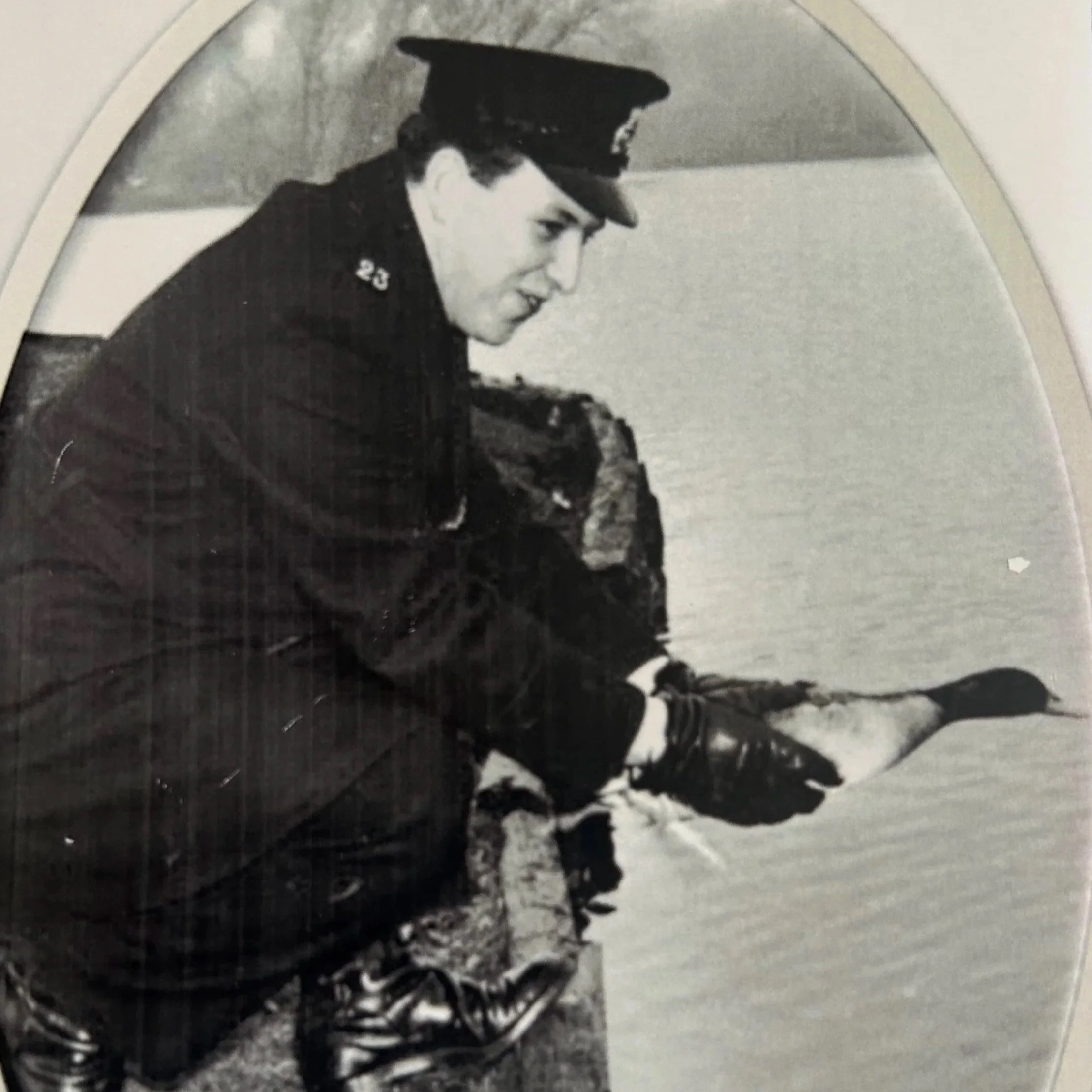
Police Inspector Stuart Sykes establishes the group at Blackpool Police Headquarters after persuading the Chief Constable that challenge, service and achievement could create better opportunities for local young people.
Early 1980’s - beyond community service
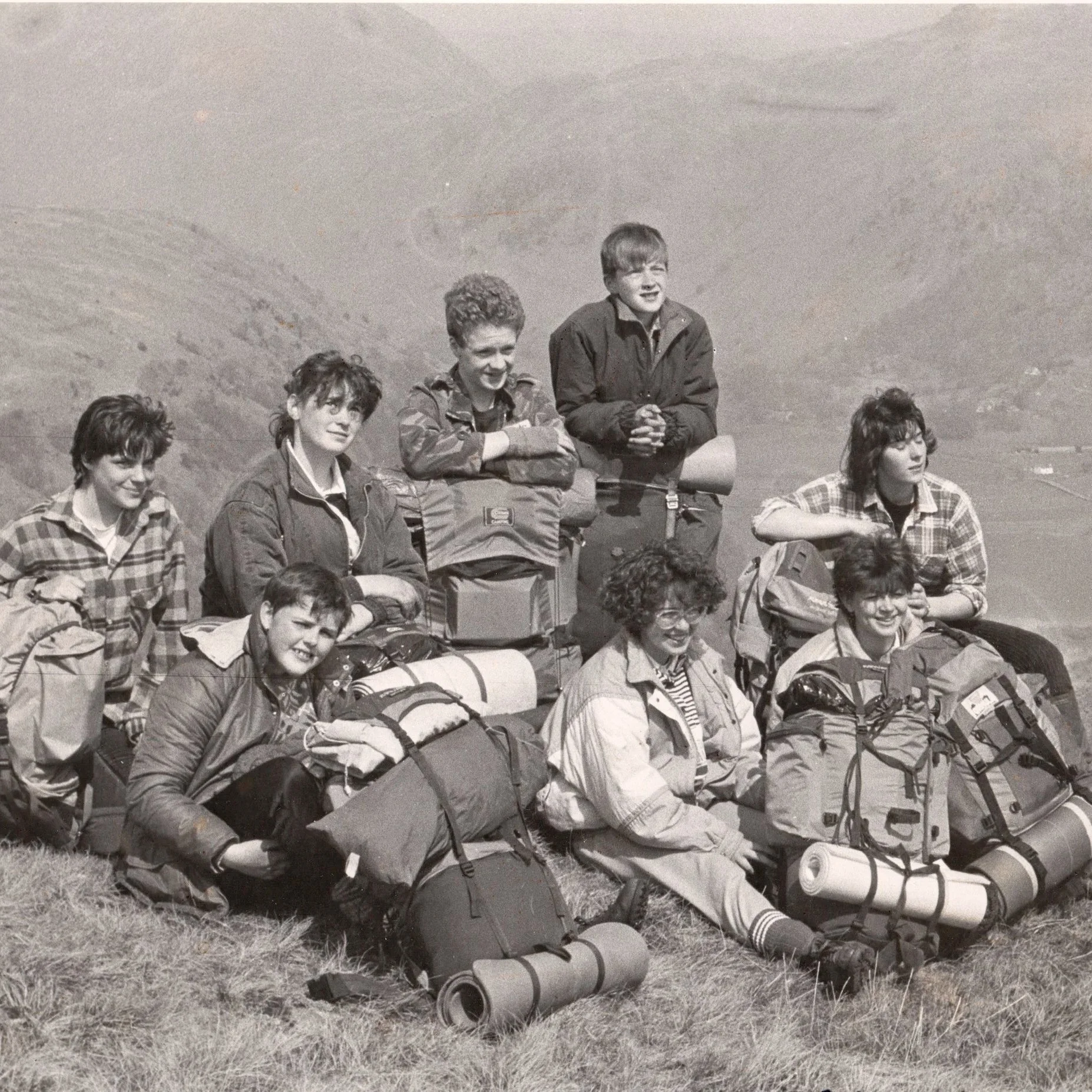
What began around the volunteering element develops into a much broader Duke of Edinburgh’s Award programme, with Stuart and other volunteers gaining outdoor qualifications to support young people through the Award.
1982 - a christmas tradition begins
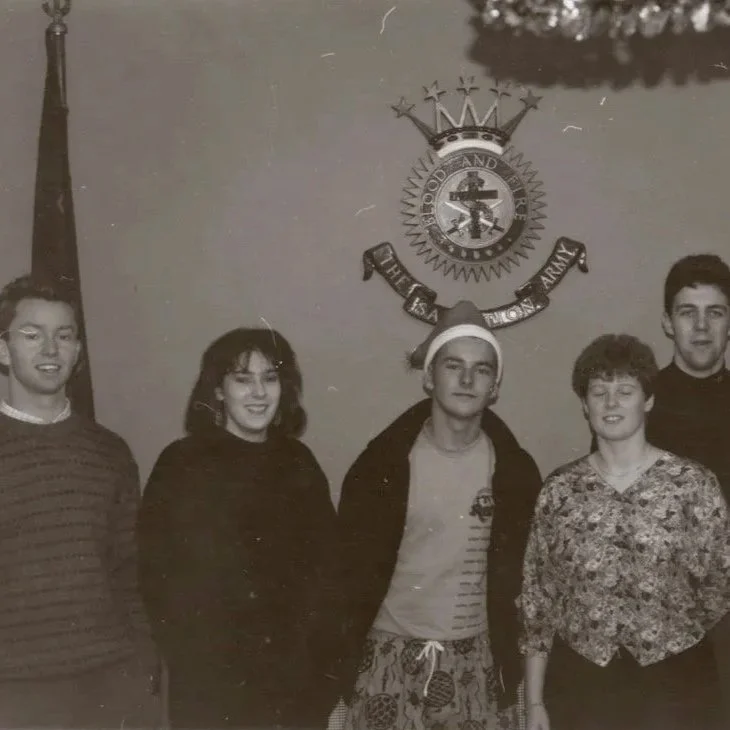
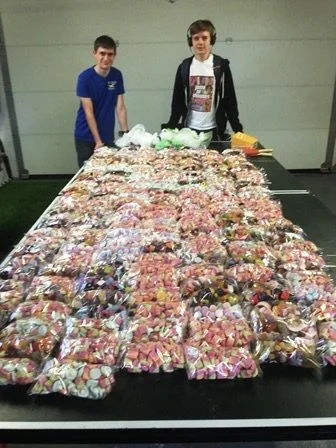
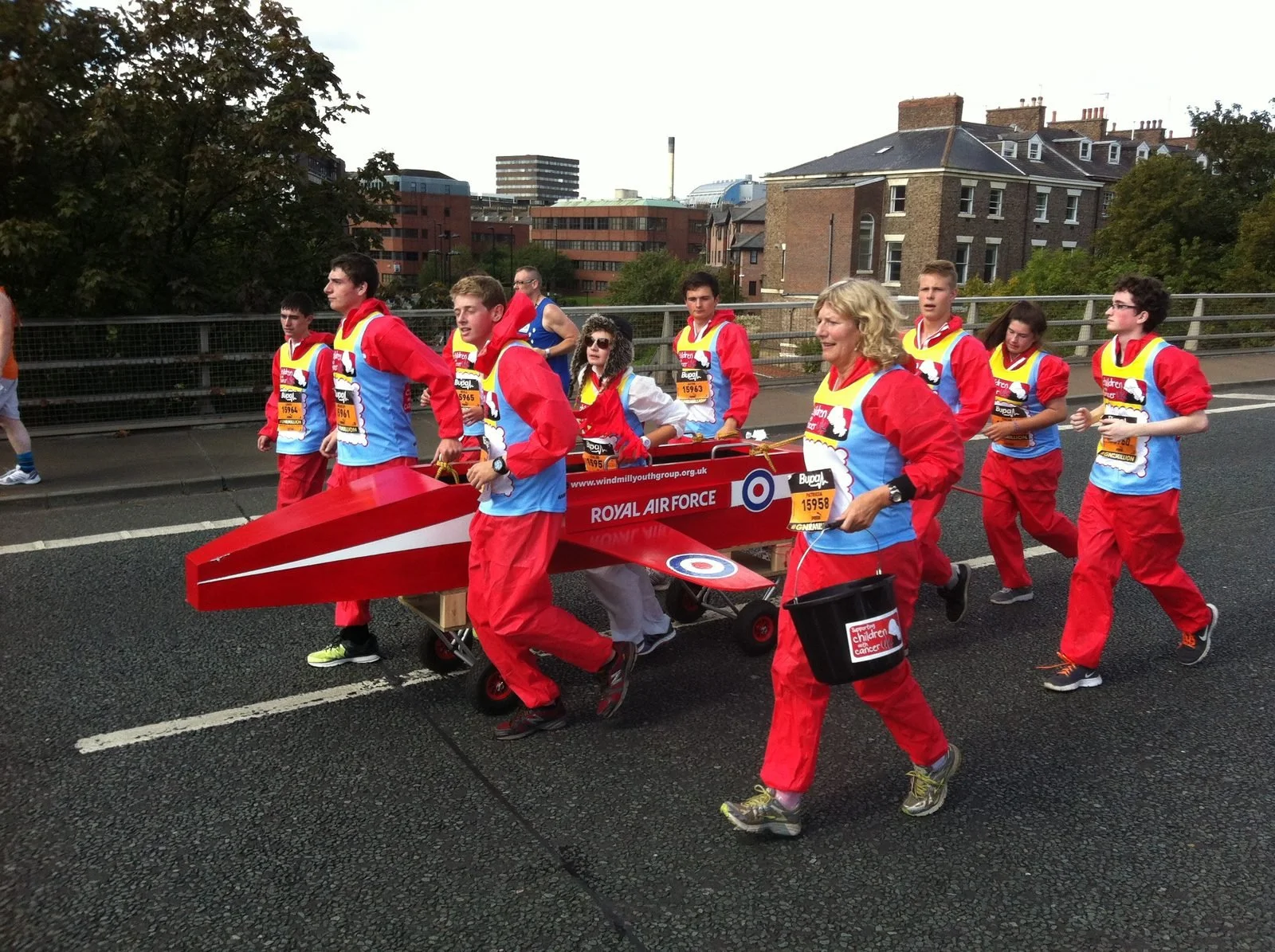
Windmill begins its Christmas Day visits to Blackpool Victoria Hospital, part of a much wider commitment to volunteering and giving something back to the local community.
1989 - windmill finds its identity
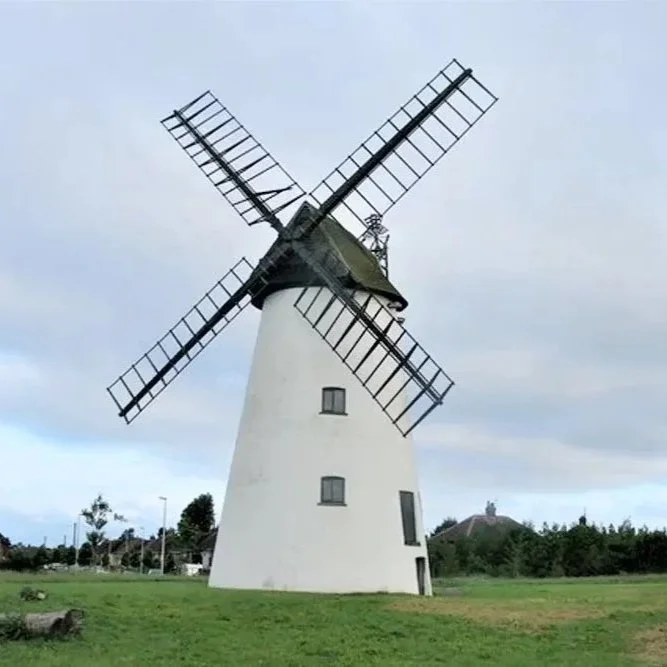
Following Stuart’s retirement from Lancashire Constabulary, the group continues independently. It moves into Great Marton Windmill, helps with its restoration and takes the Windmill name that would define the organisation for decades to come.
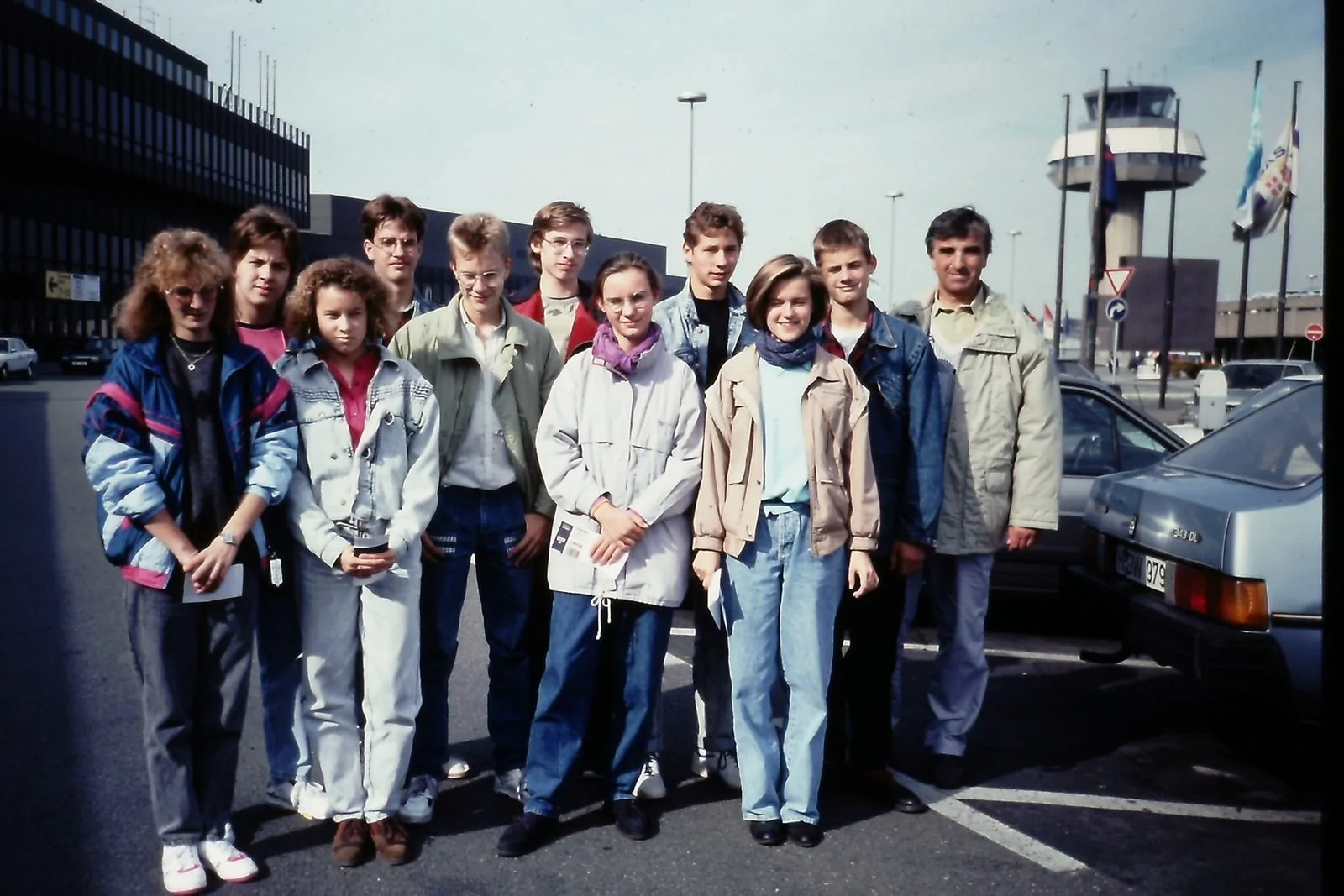
1989 - across the iron curtain
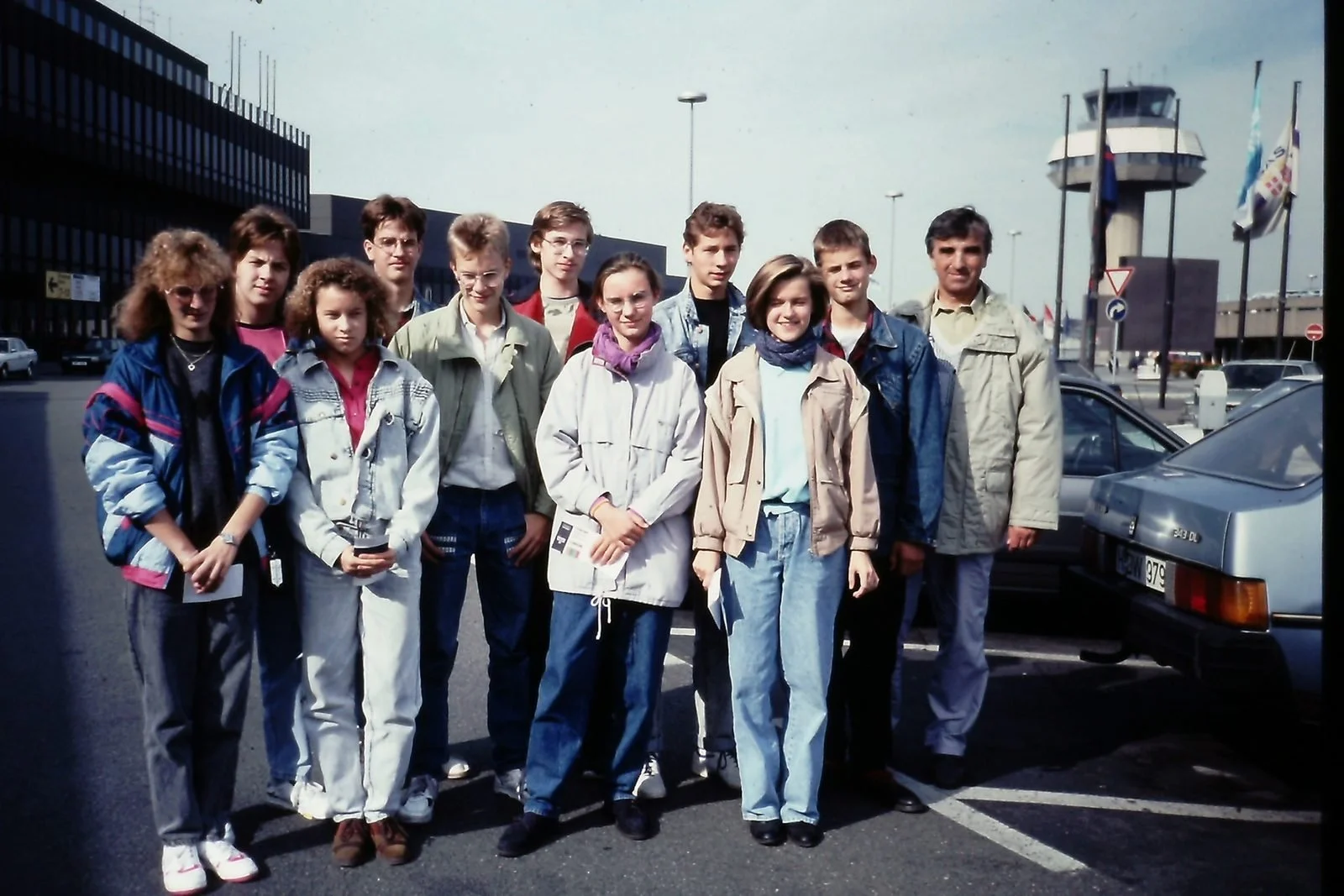
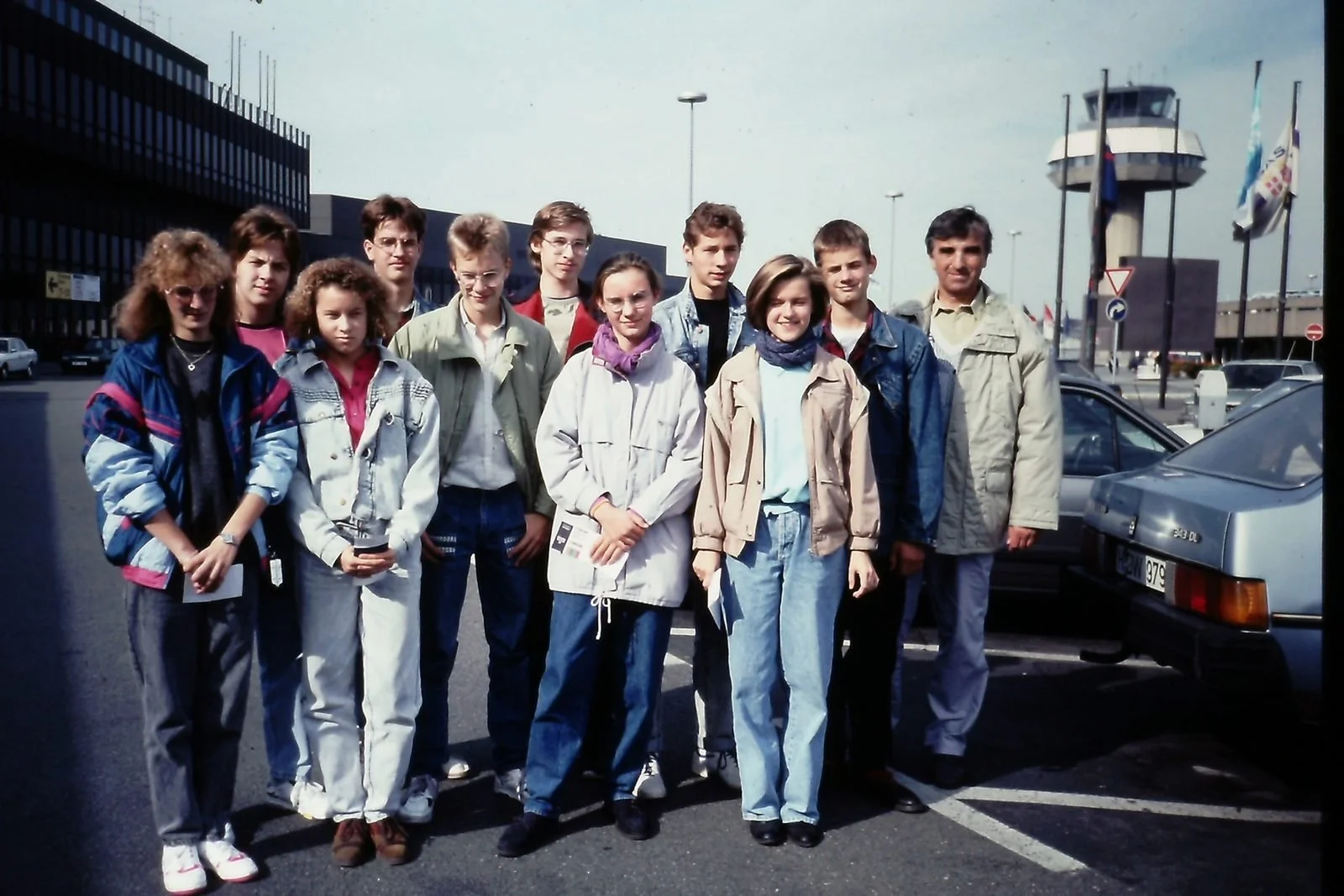
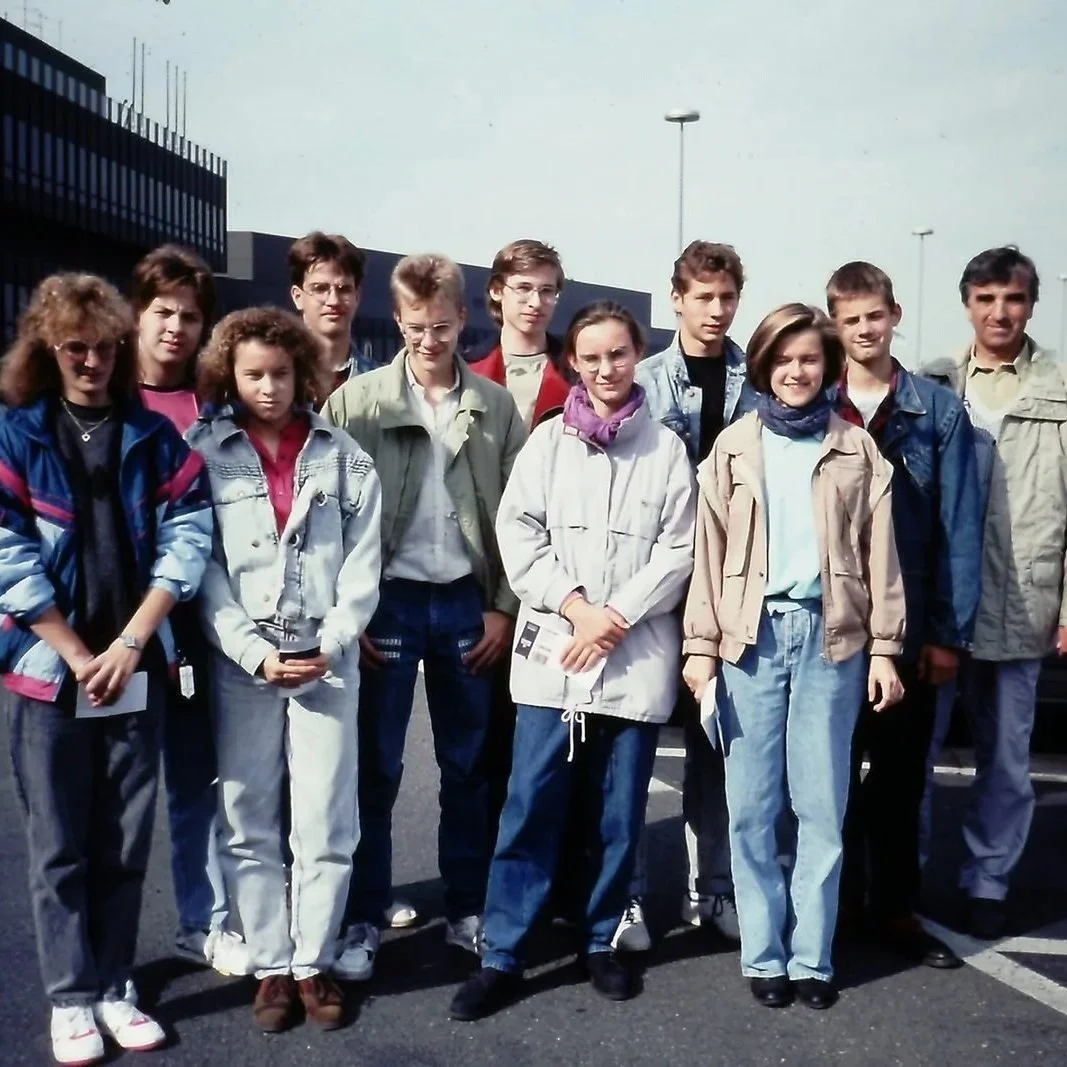
The East Germany youth exchange gives young people an extraordinary international experience at a pivotal moment in European history, demonstrating an ambition that would later take Windmill participants around the world.
late 1990’s - a permanent outdoor base
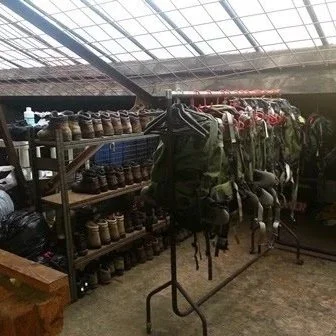
With support from the National Lottery, Windmill purchases its own outdoor pursuits unit, creating a permanent base for its expanding programme of training, expeditions and youth development.
2002 - Recognition for a Lifetime of Service
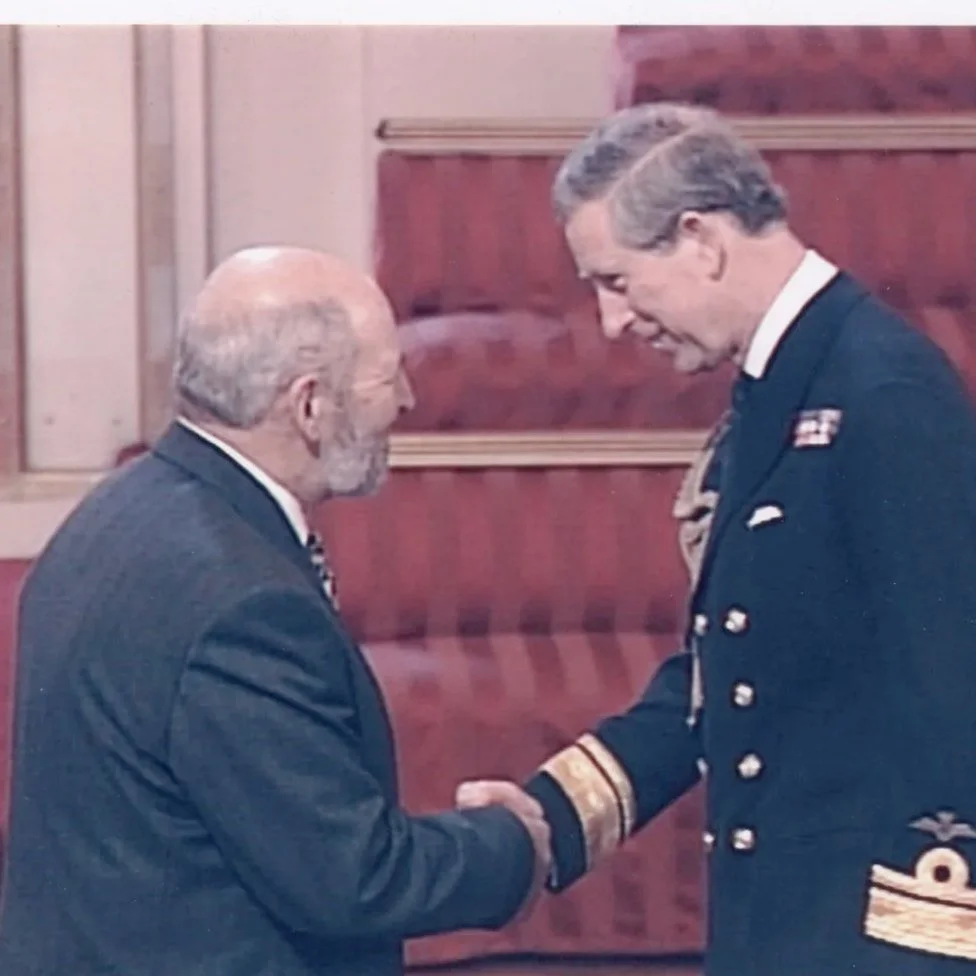
Stuart Sykes is appointed MBE for services to young people in Blackpool, recognising decades of voluntary service and leadership through the Windmill Youth Group.
2000s–2010s -
Service in Action
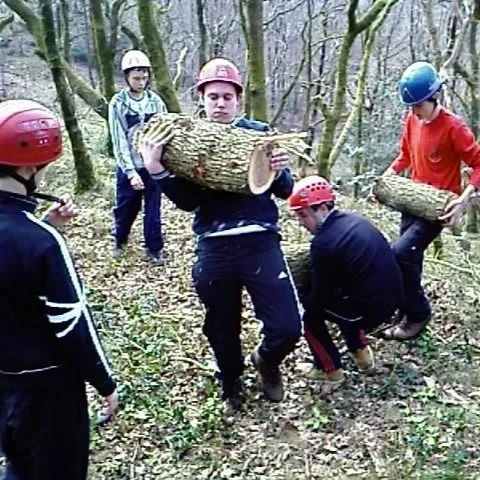
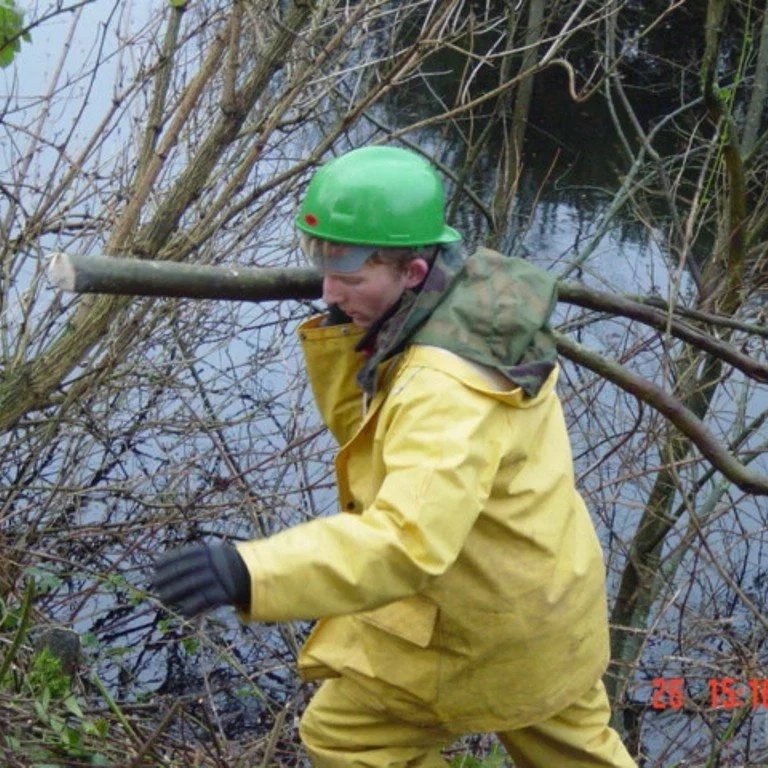
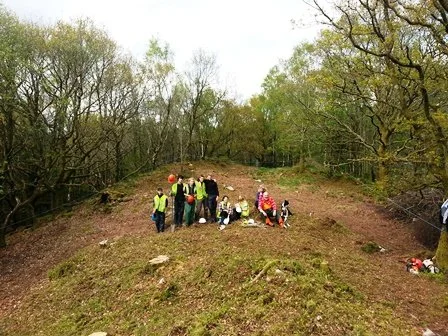
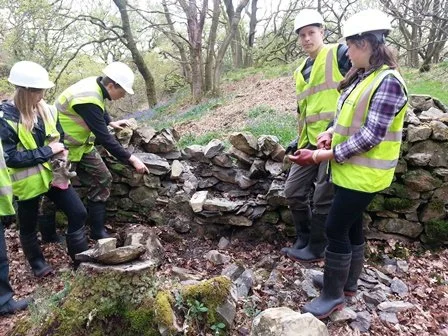
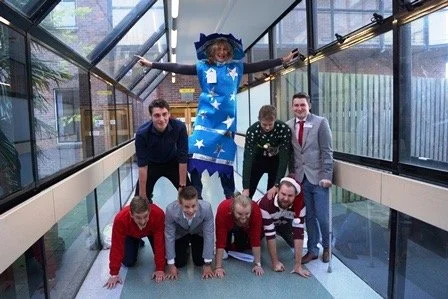
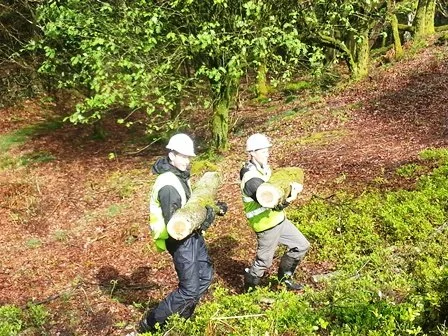
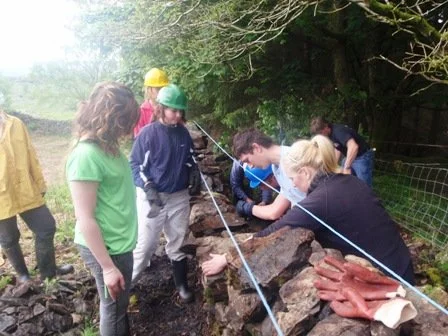
Generations of Windmill youngsters contribute thousands of hours to community and environmental projects, including a decade caring for woodland in South Cumbria — building paths and bridges, restoring dry-stone walls and managing the woodland environment.
2020–2024 -
Windmill Through a Changing World
Through Covid and the years that followed, Windmill continues developing young people while also maintaining public paths and the pond around the De Vere area of Blackpool, keeping service, resilience and practical challenge at the heart of the Group.
2026 -
The Next Generation
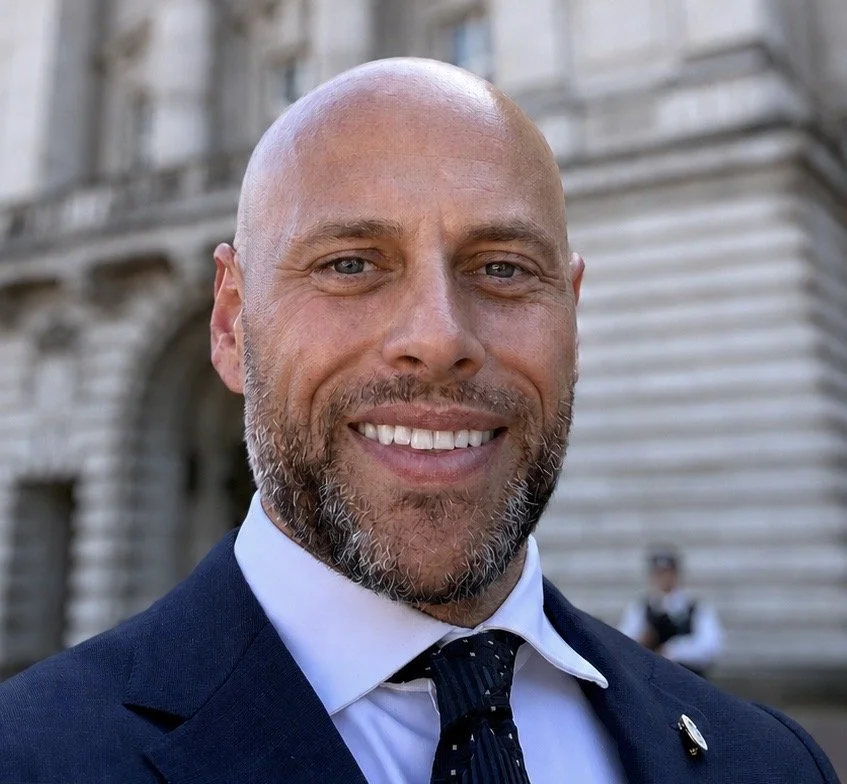
After nearly 50 years, Sam Sykes succeeds his father as Chairman. Windmill enters a new chapter, moving from directly delivering expeditions to funding Gold DofE opportunities for young people from Blackpool and the Fylde Coast who might otherwise be unable to access them.
Service before self
Community service was part of the Windmill Youth Group from the beginning. Young people helped older and disabled people, worked with community organisations and took on practical projects that demanded patience, reliability and effort.
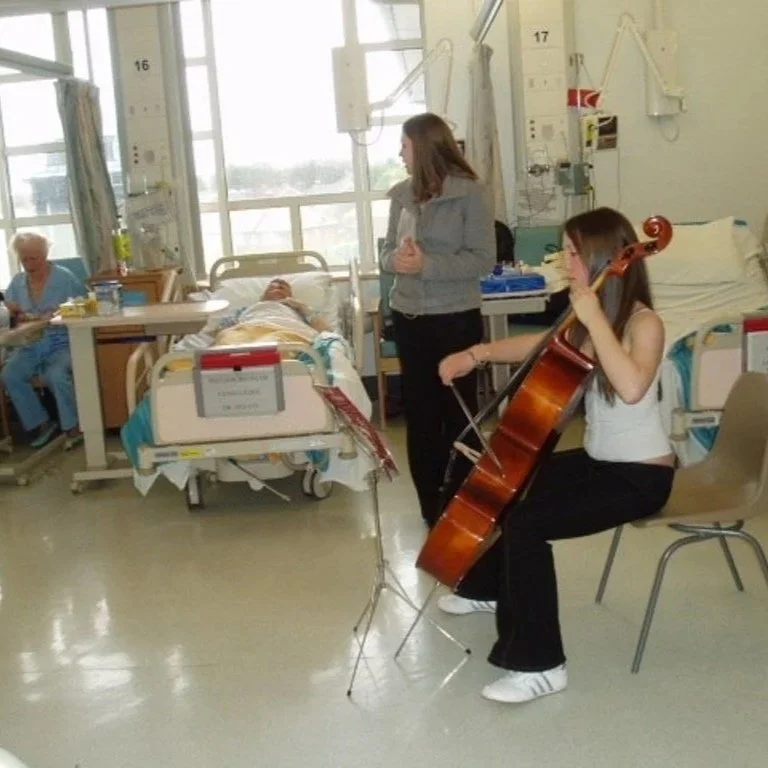
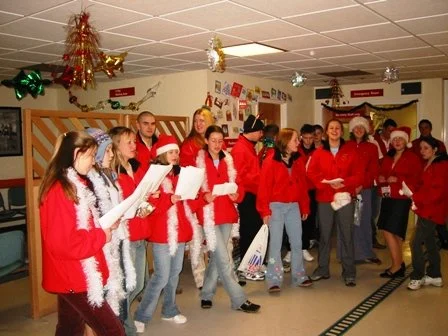
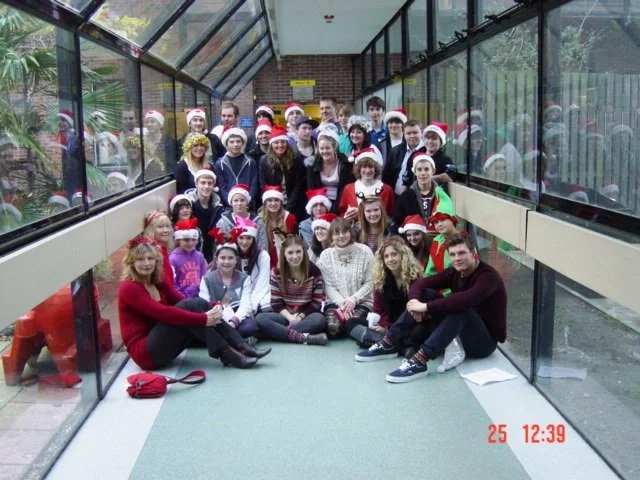
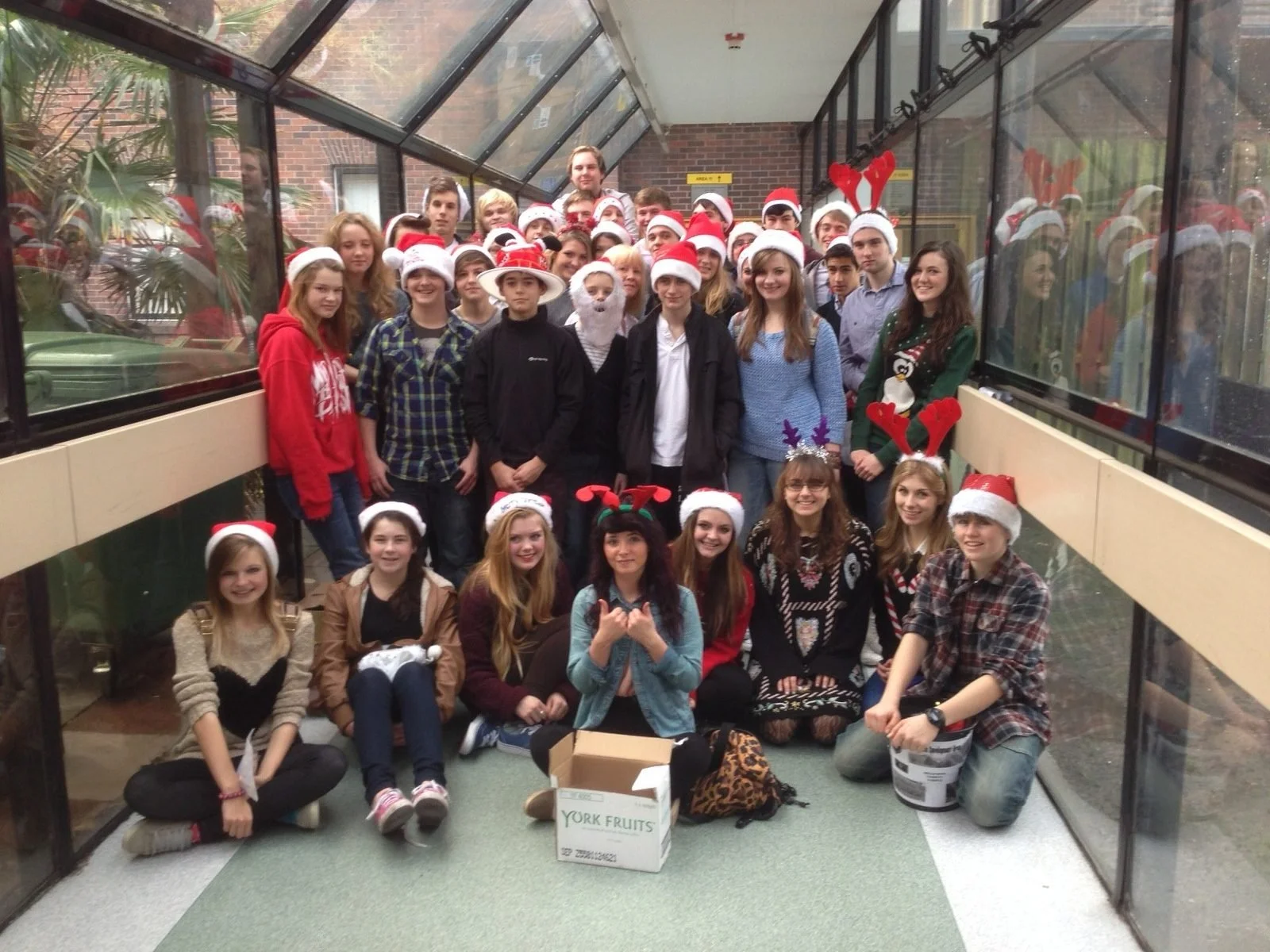
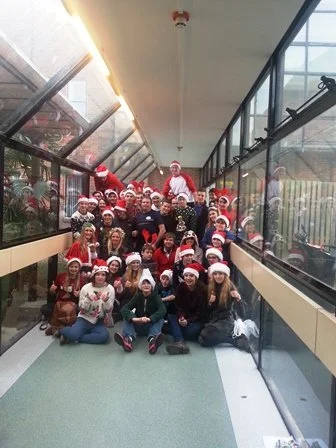
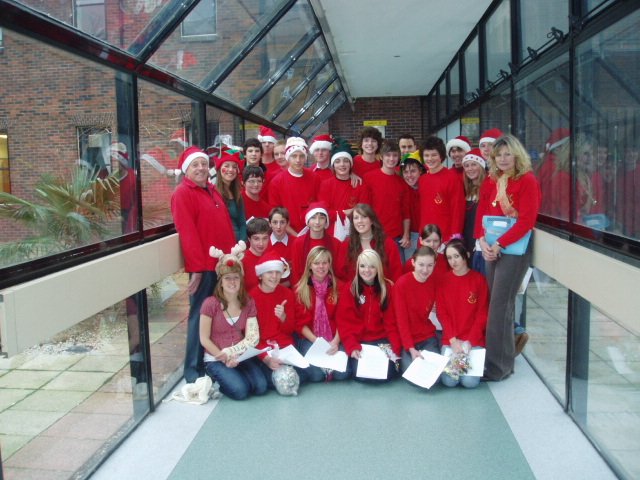
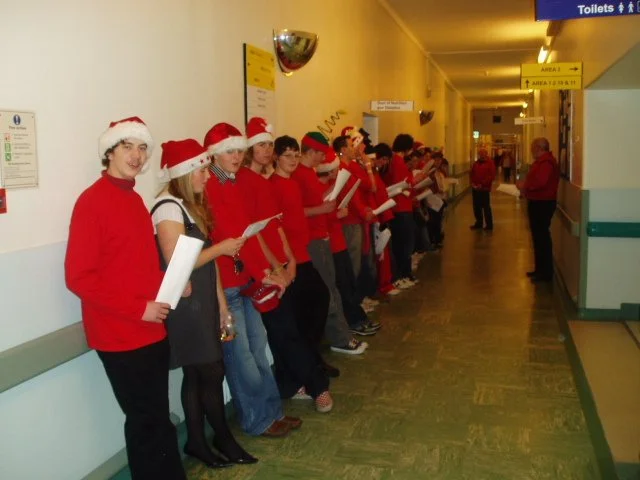
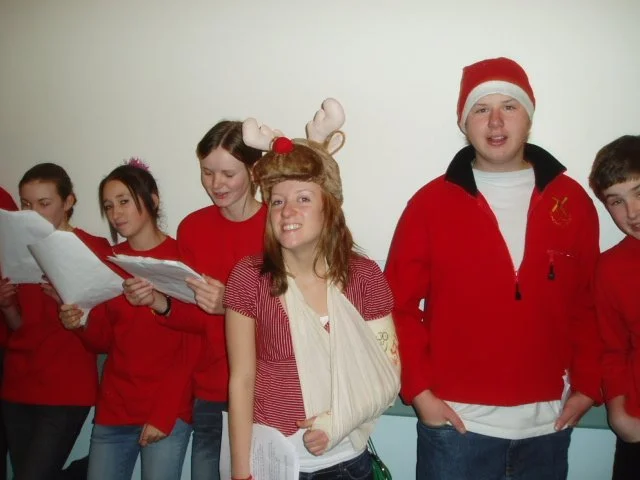
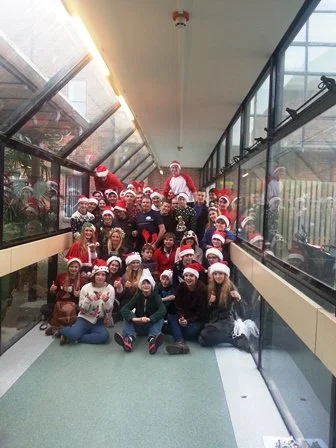
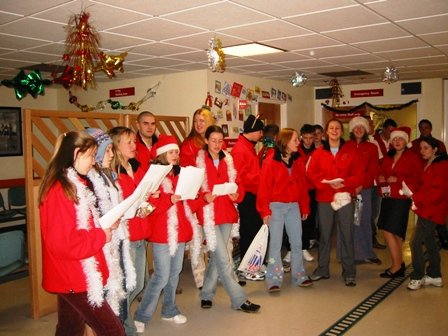
One of the longest traditions was Christmas Day. From the early years, Windmill Youth Group members gave up part of Christmas to support others. From 1982, that included visiting wards at Blackpool Victoria Hospital, speaking with patients and bringing some company to people spending Christmas in hospital. The hospital visits continued until 2024.
The point was never simply to record volunteering hours. Service was treated as part of growing up: noticing other people, taking responsibility and contributing when there was no personal reward attached.
Expeditions
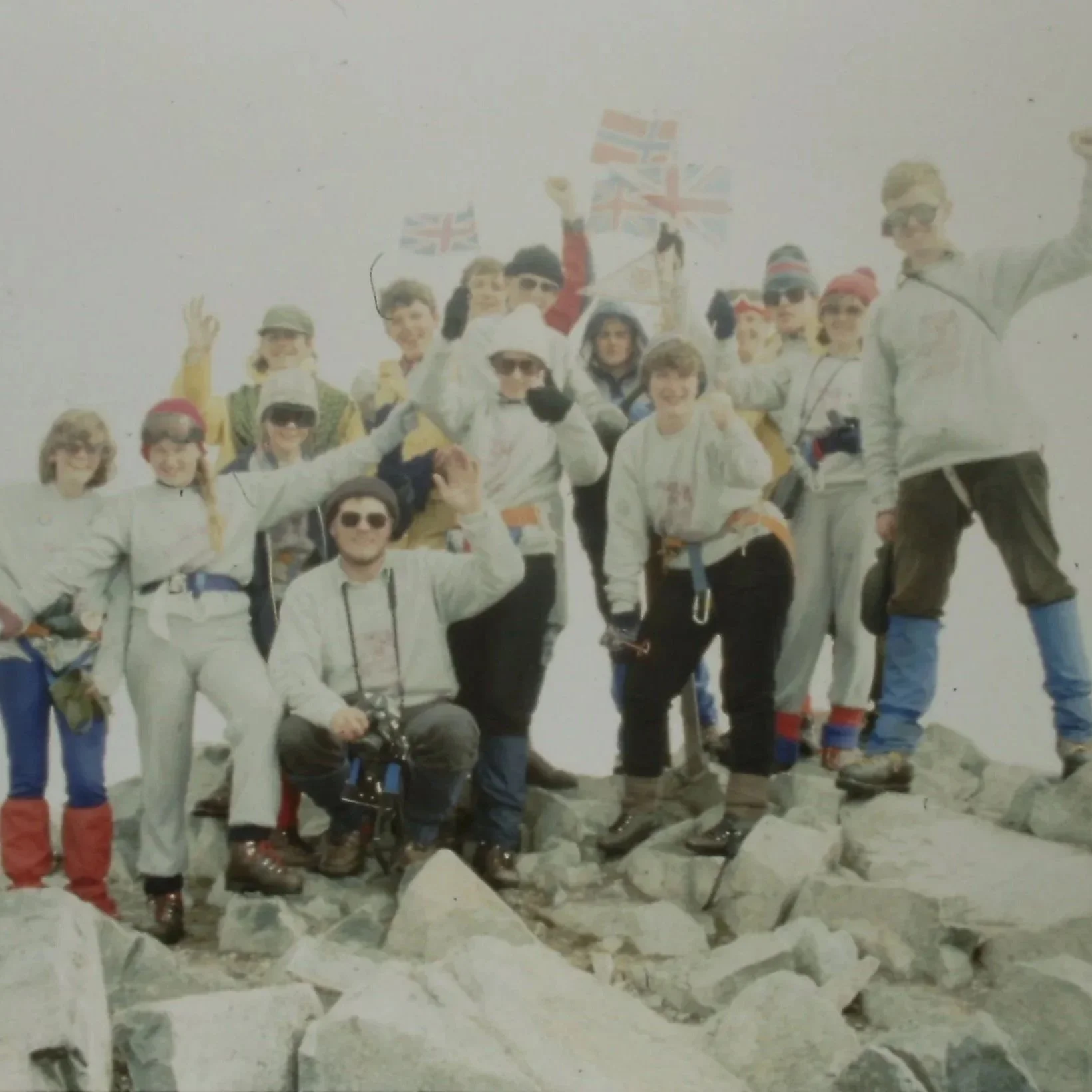
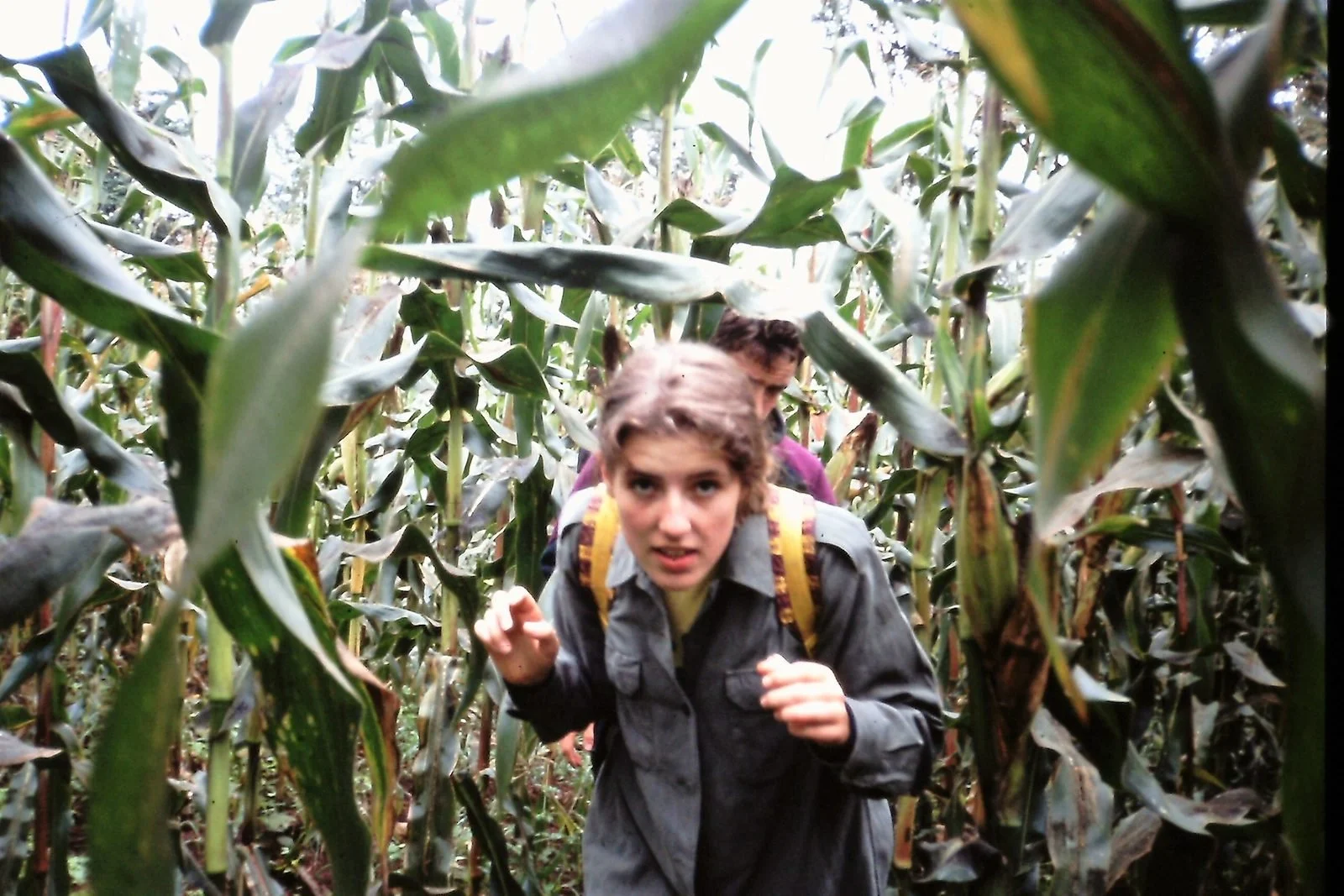
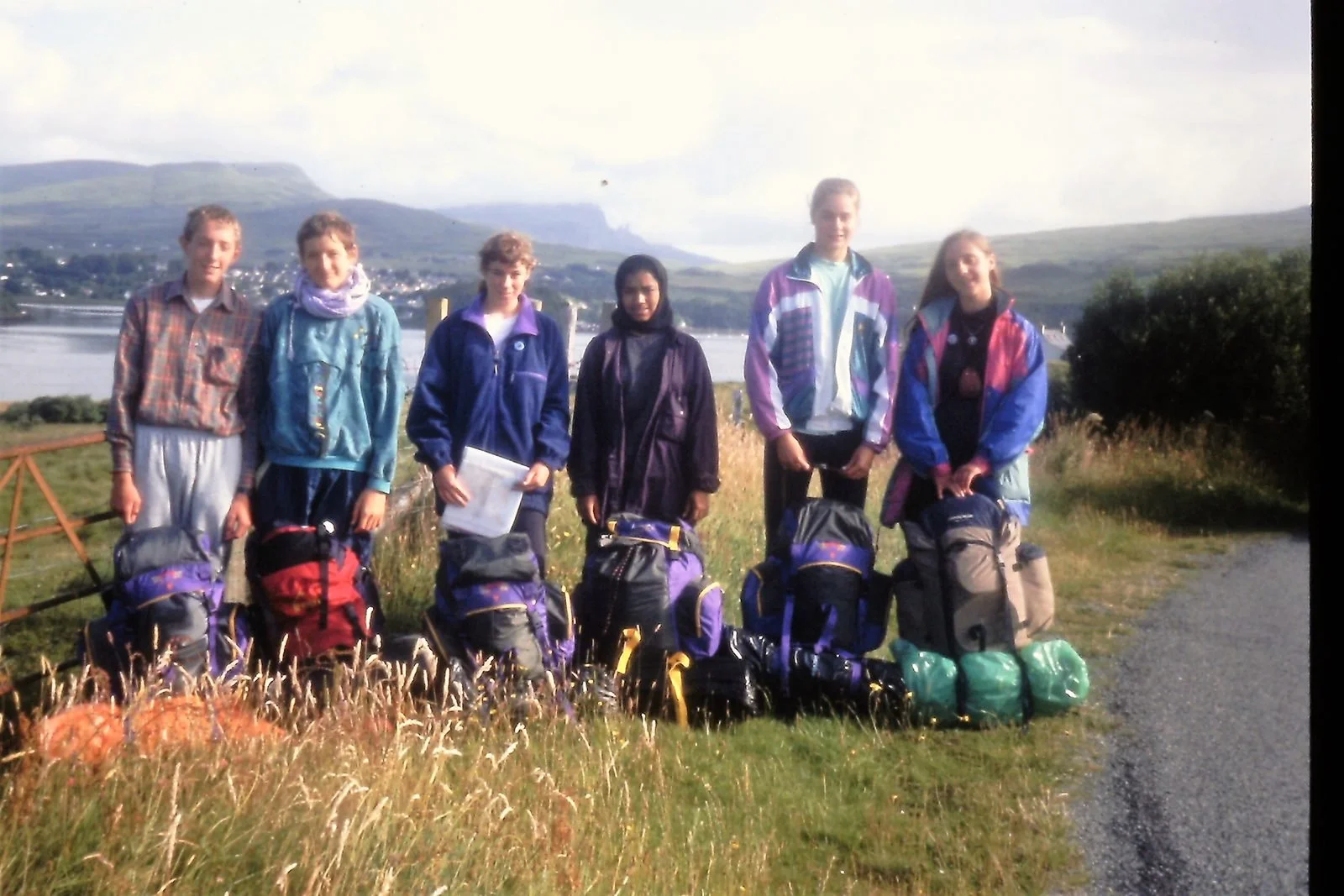
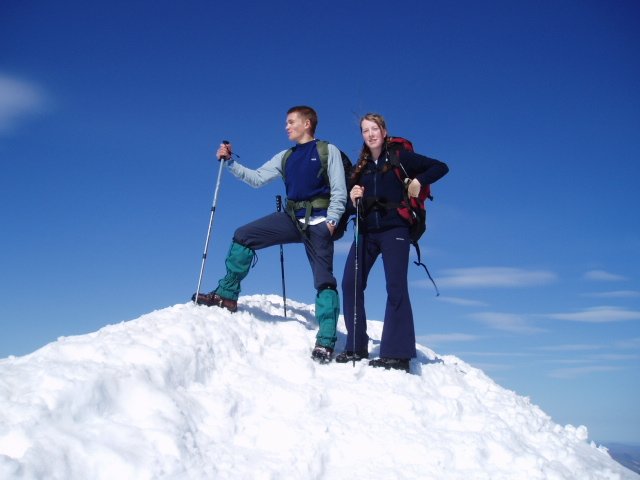
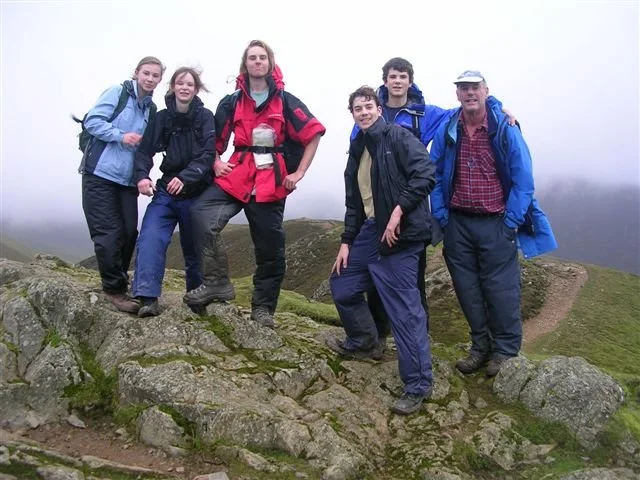
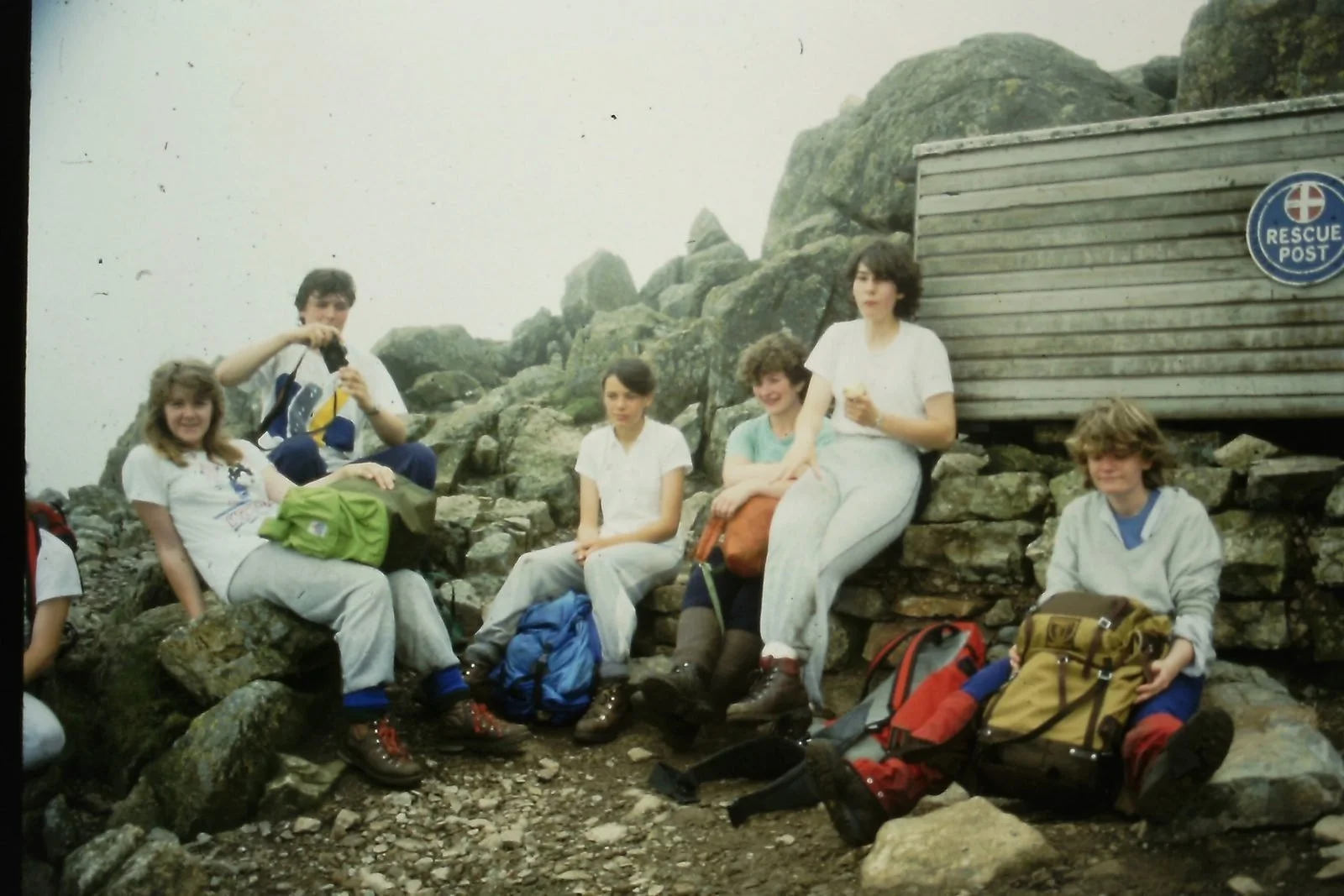
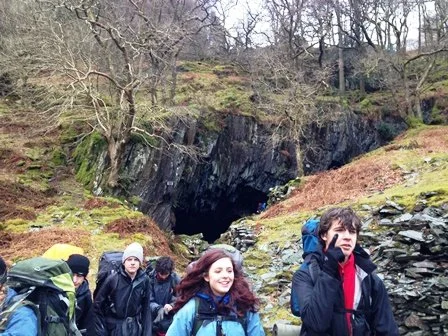
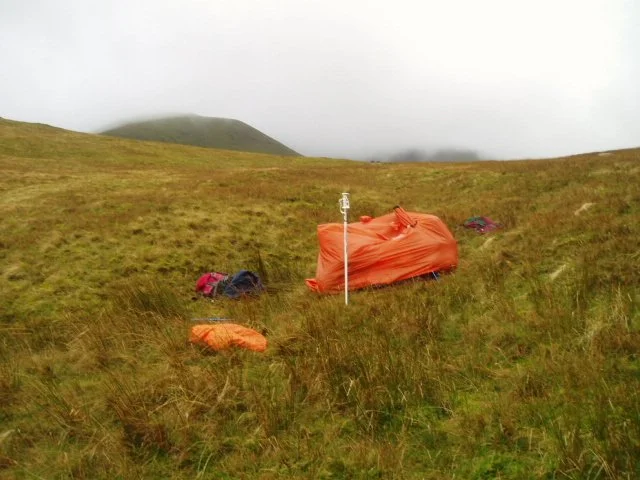
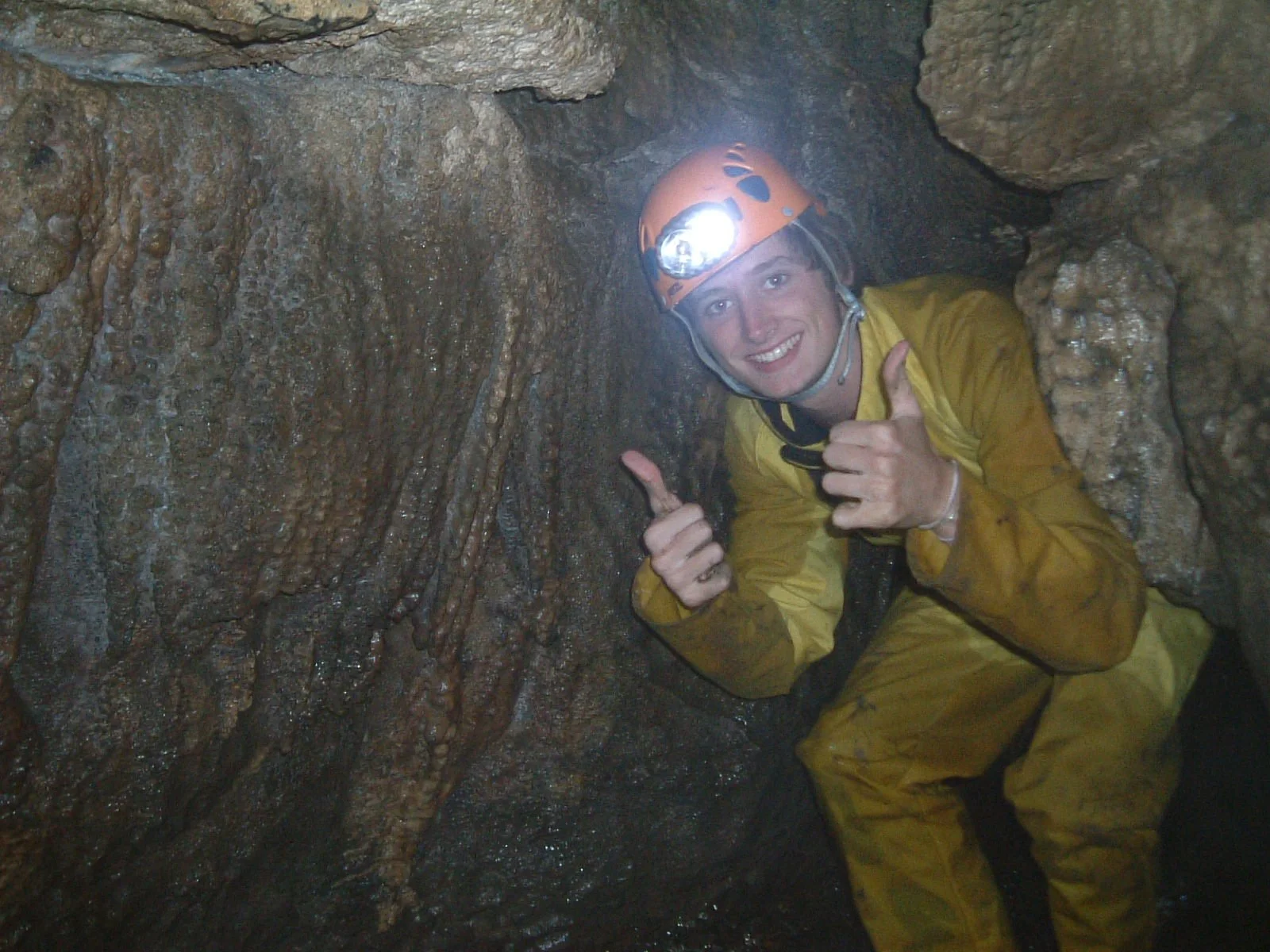
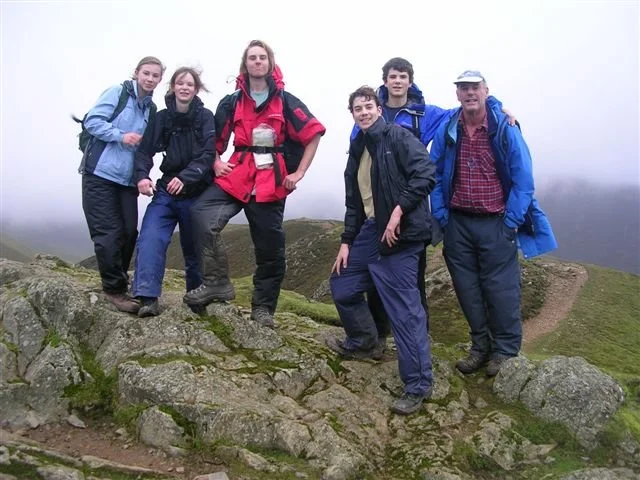
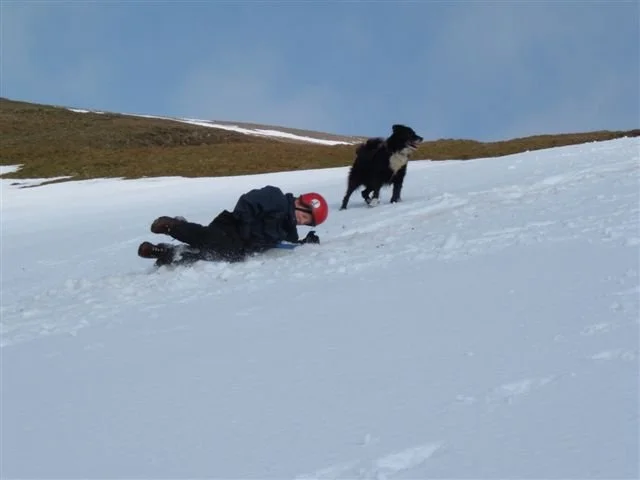
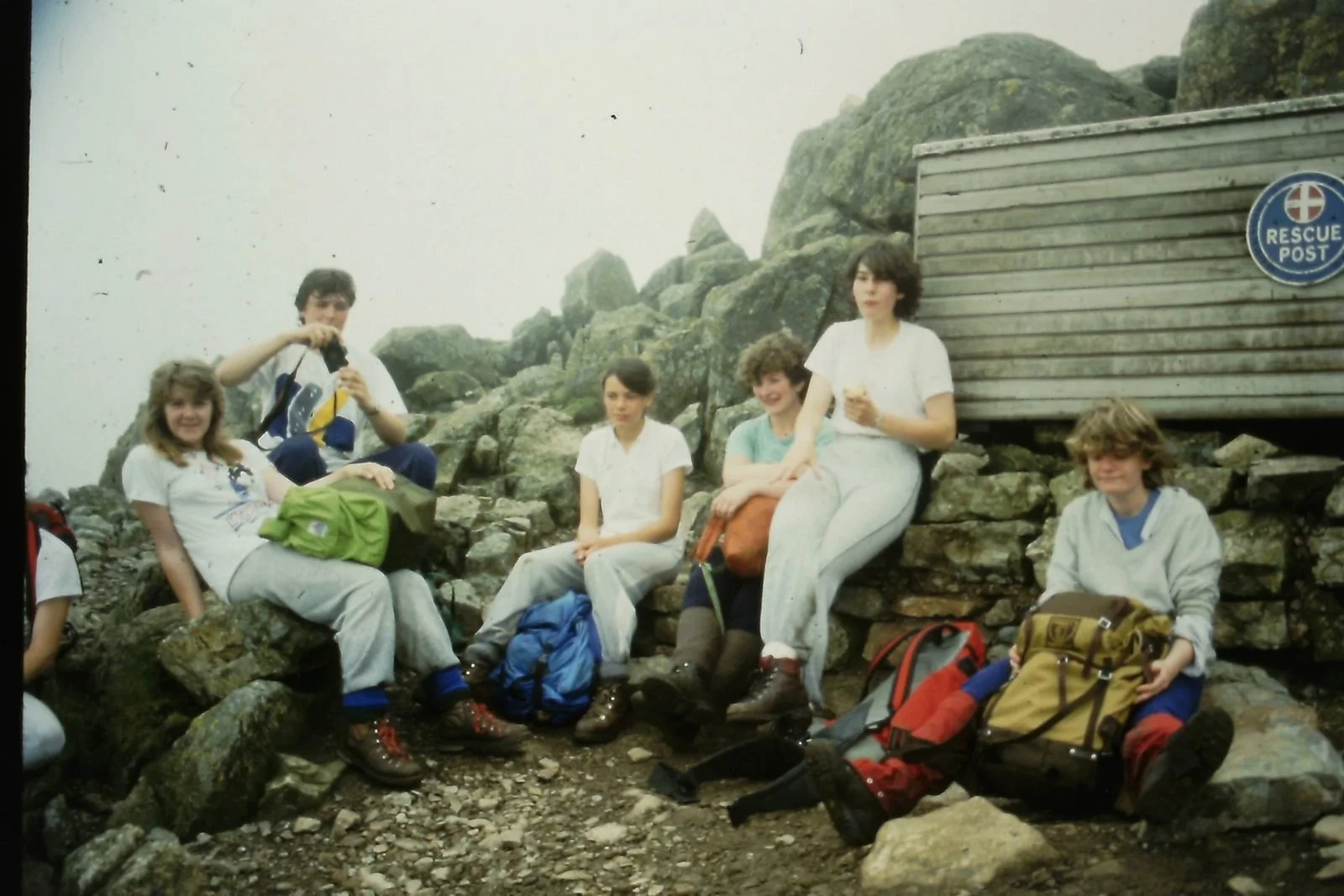
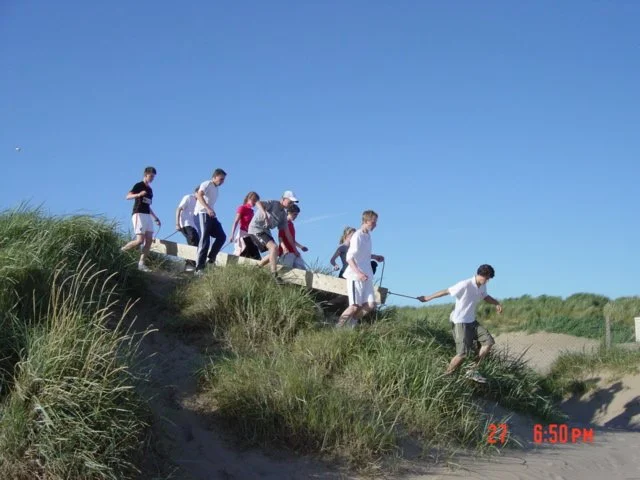
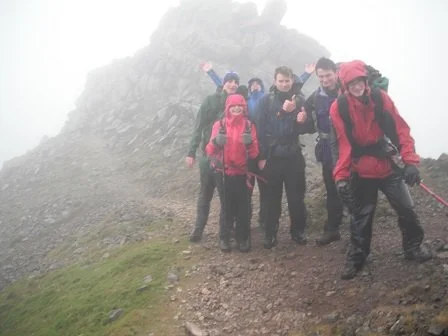
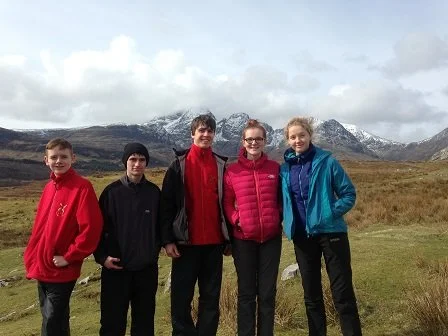
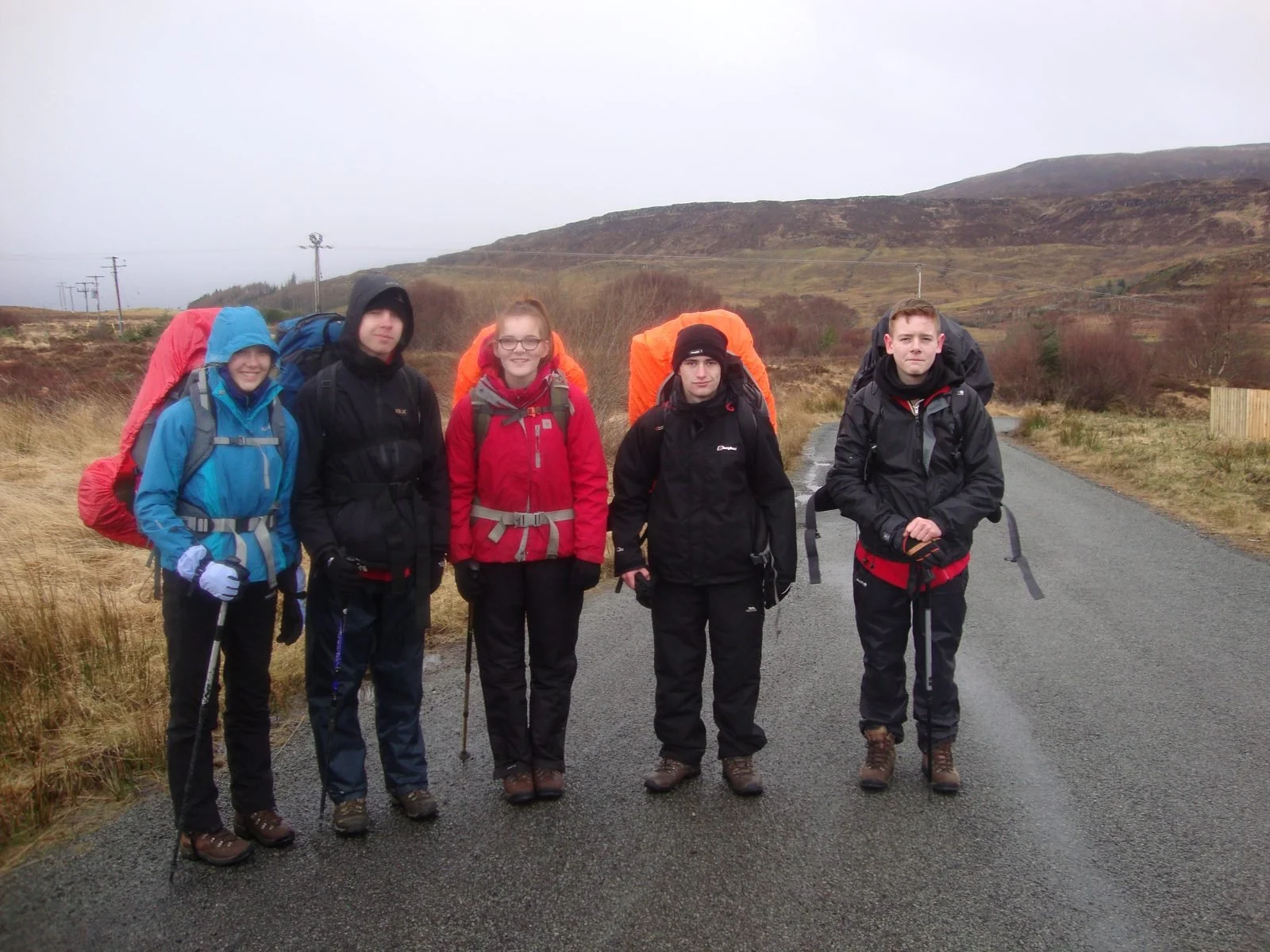
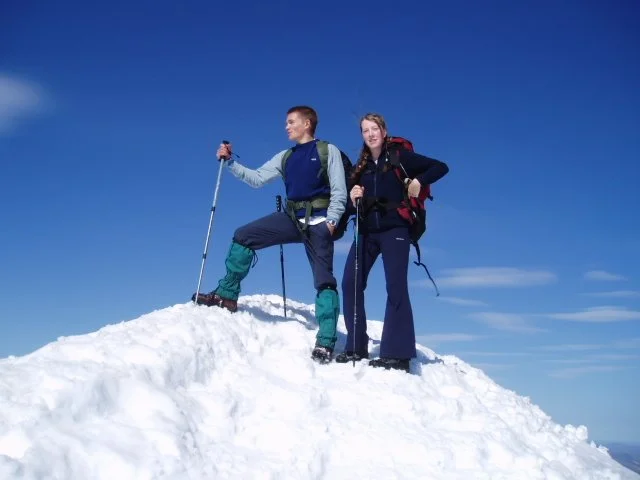
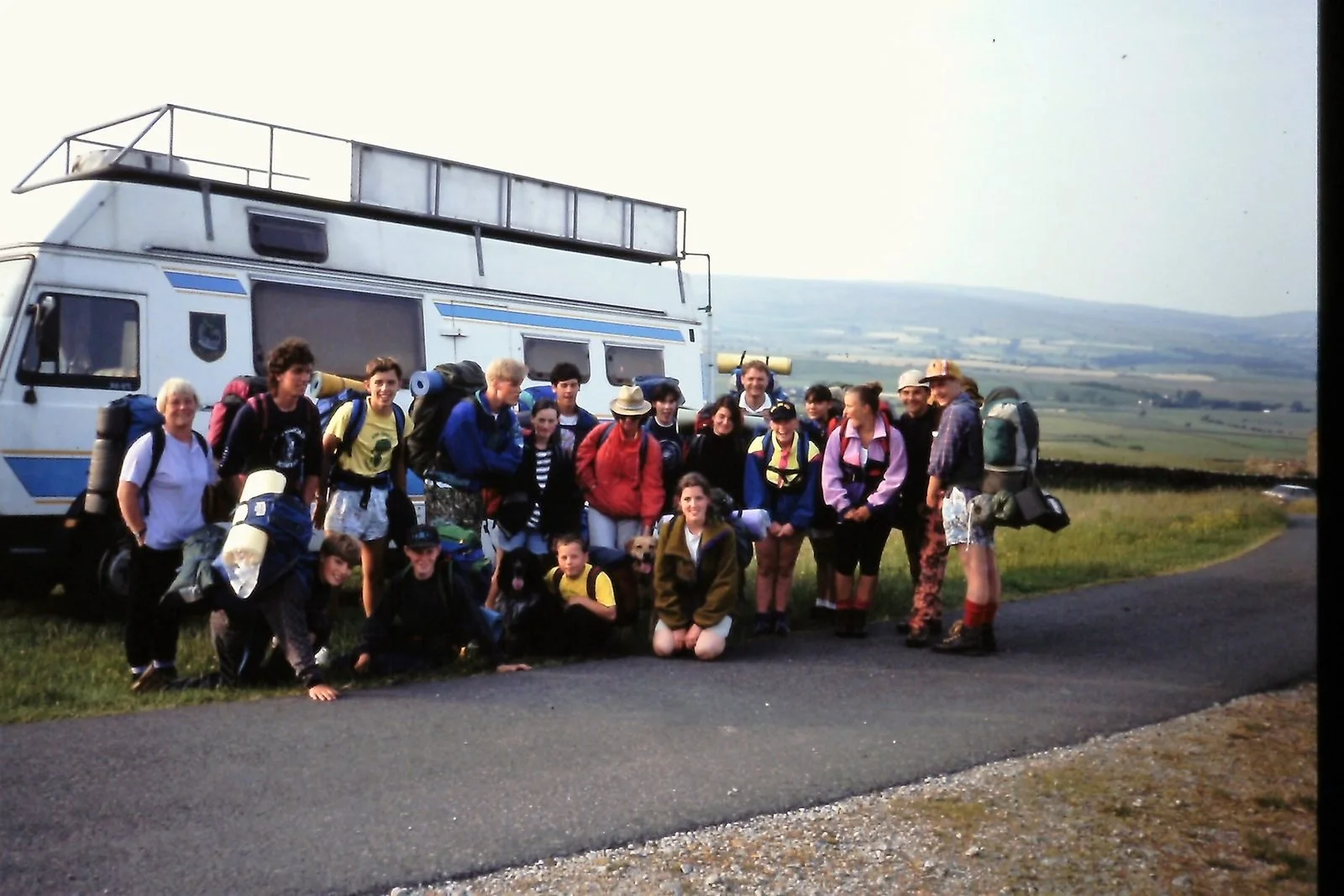
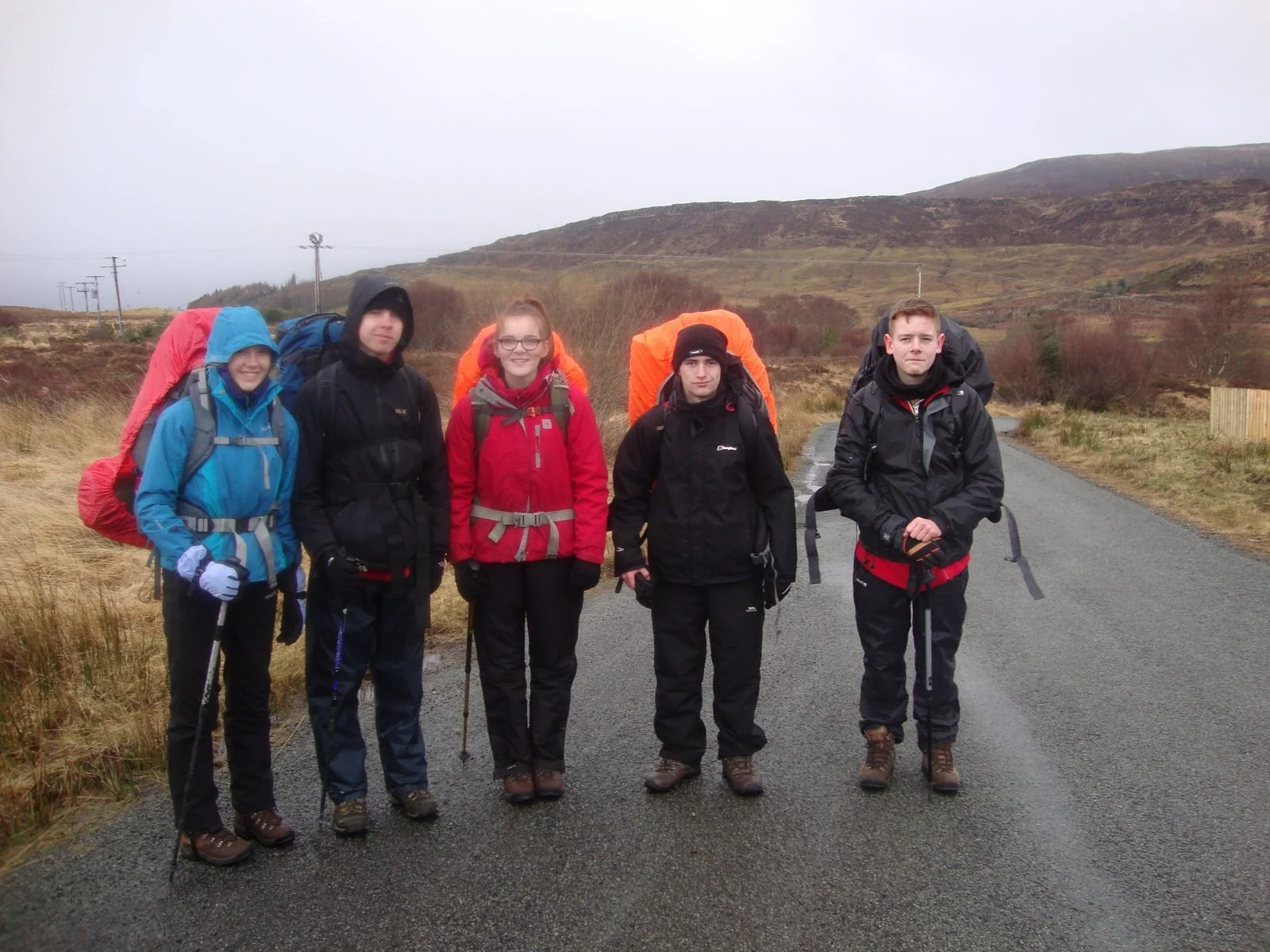
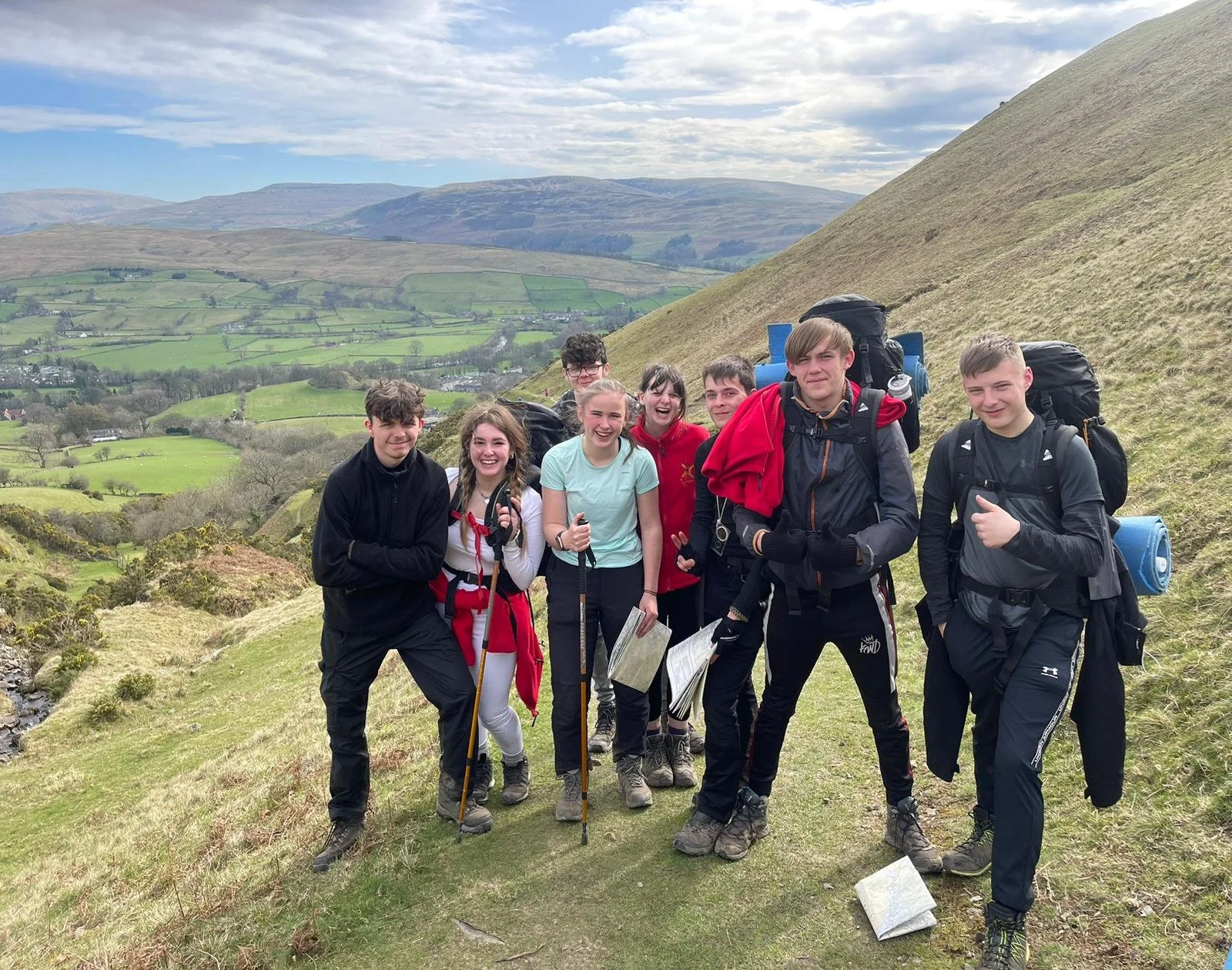
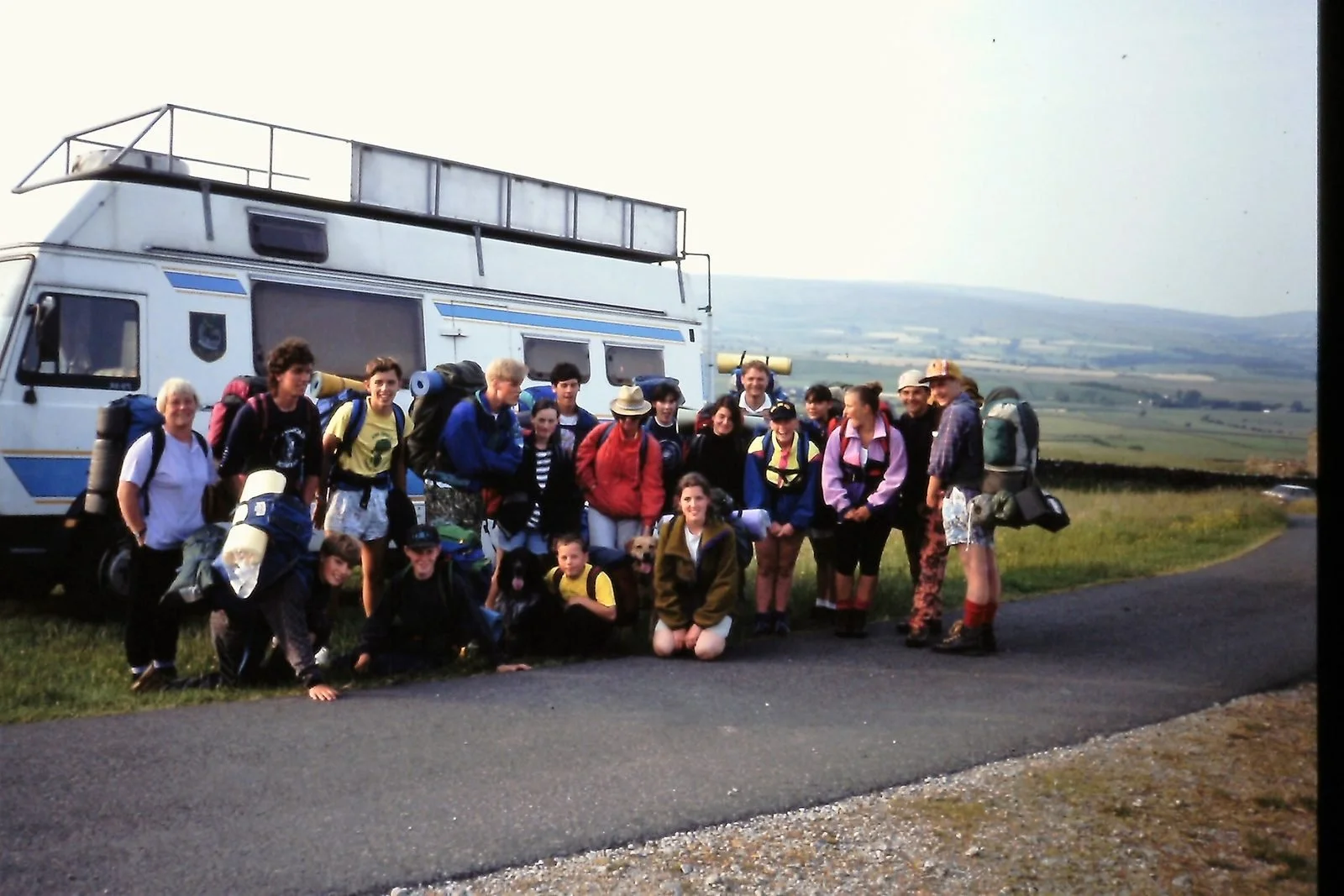
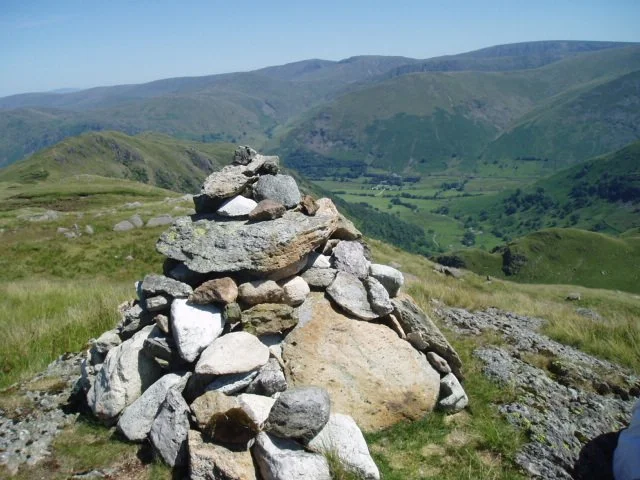
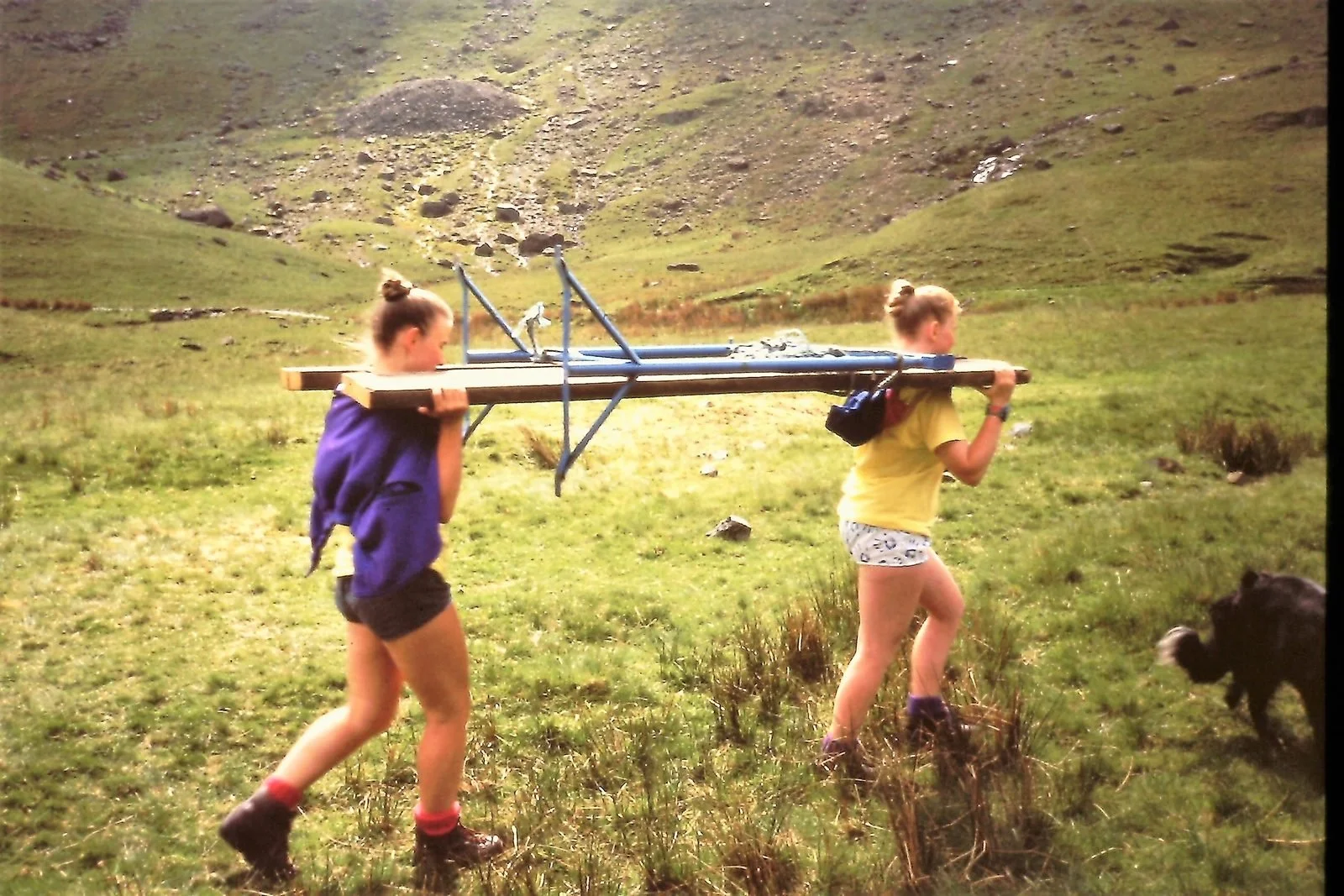
As the Windmill Youth Group developed, expedition work became a defining part of the group. Young people learned navigation, campcraft, teamwork, fitness and the practical skills required to operate safely in demanding environments.
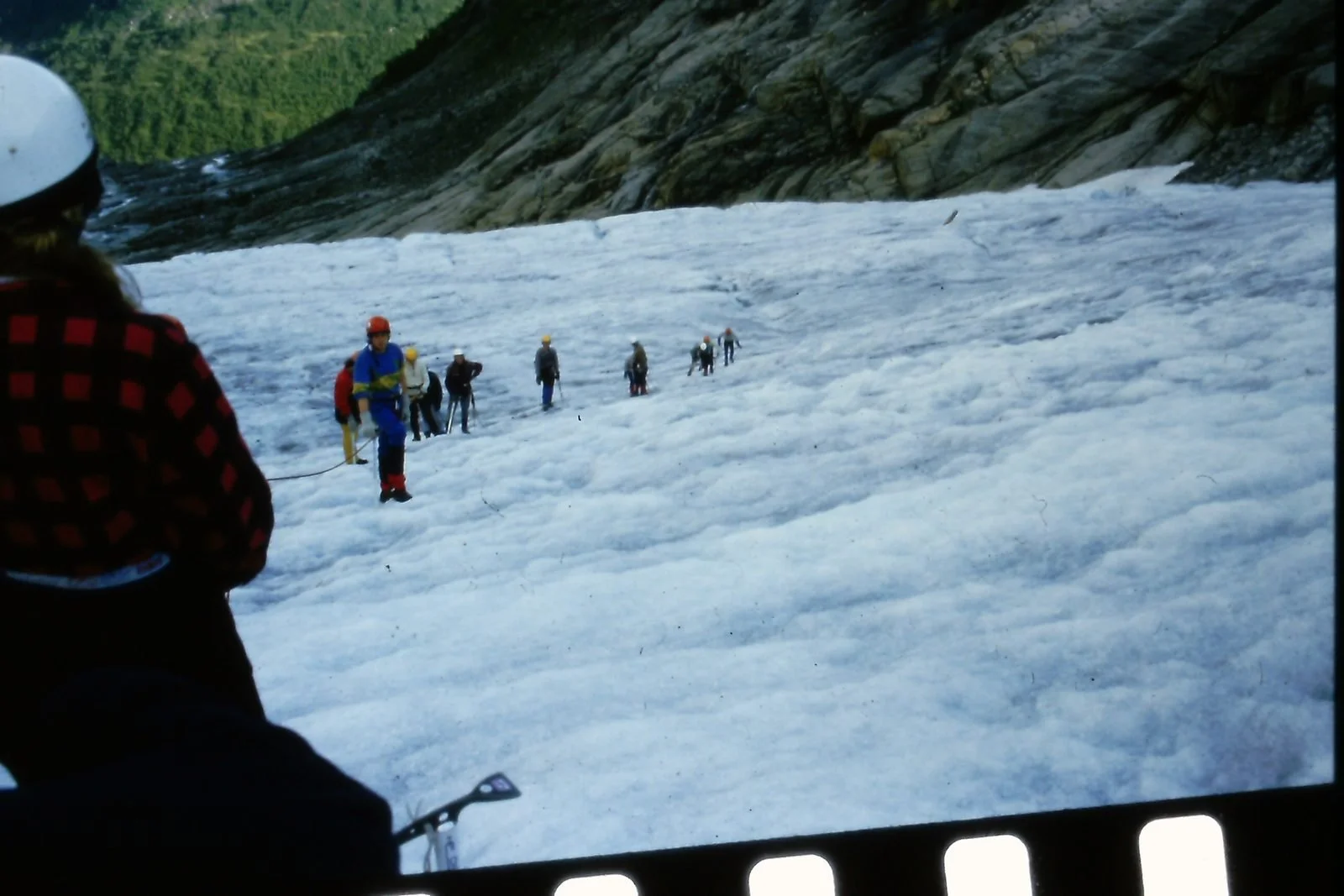
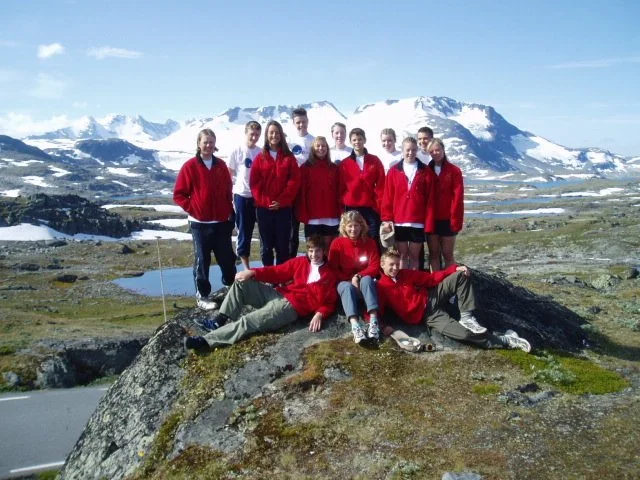
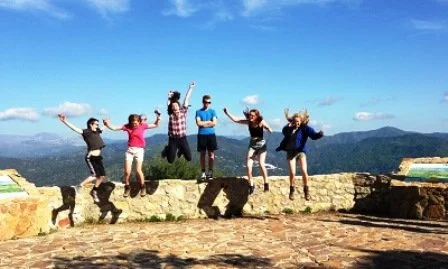
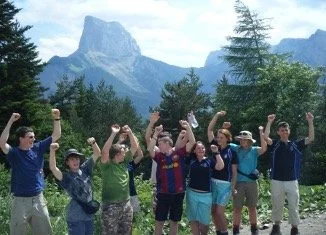
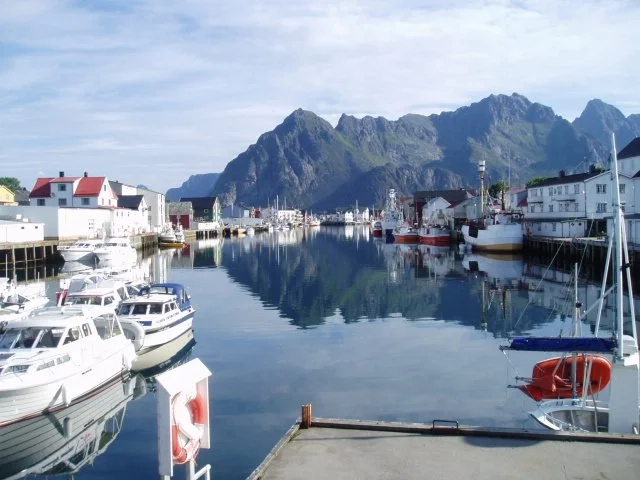
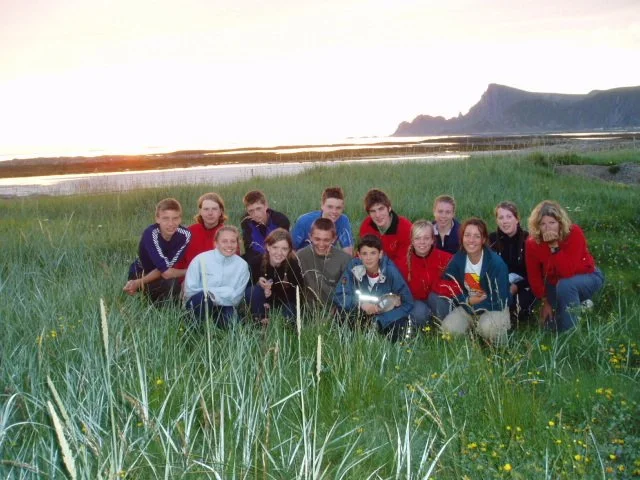
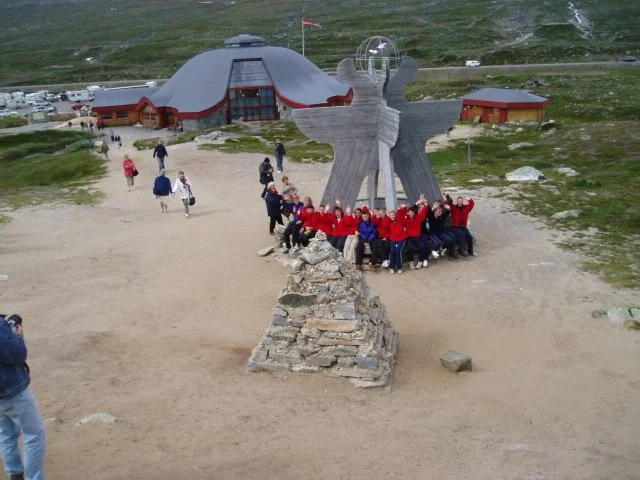
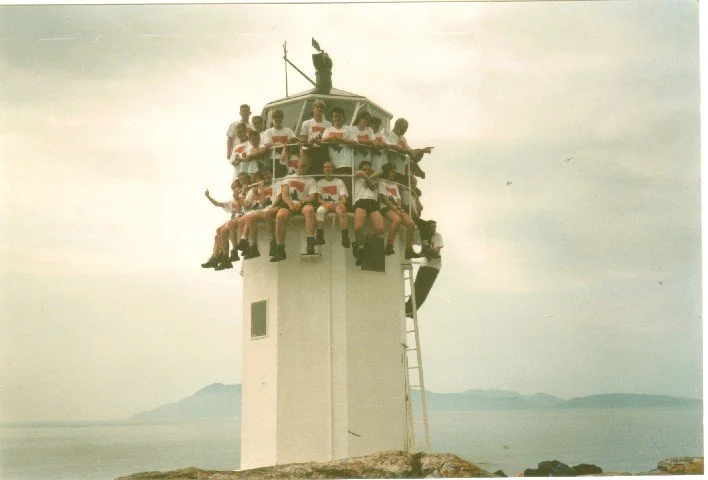
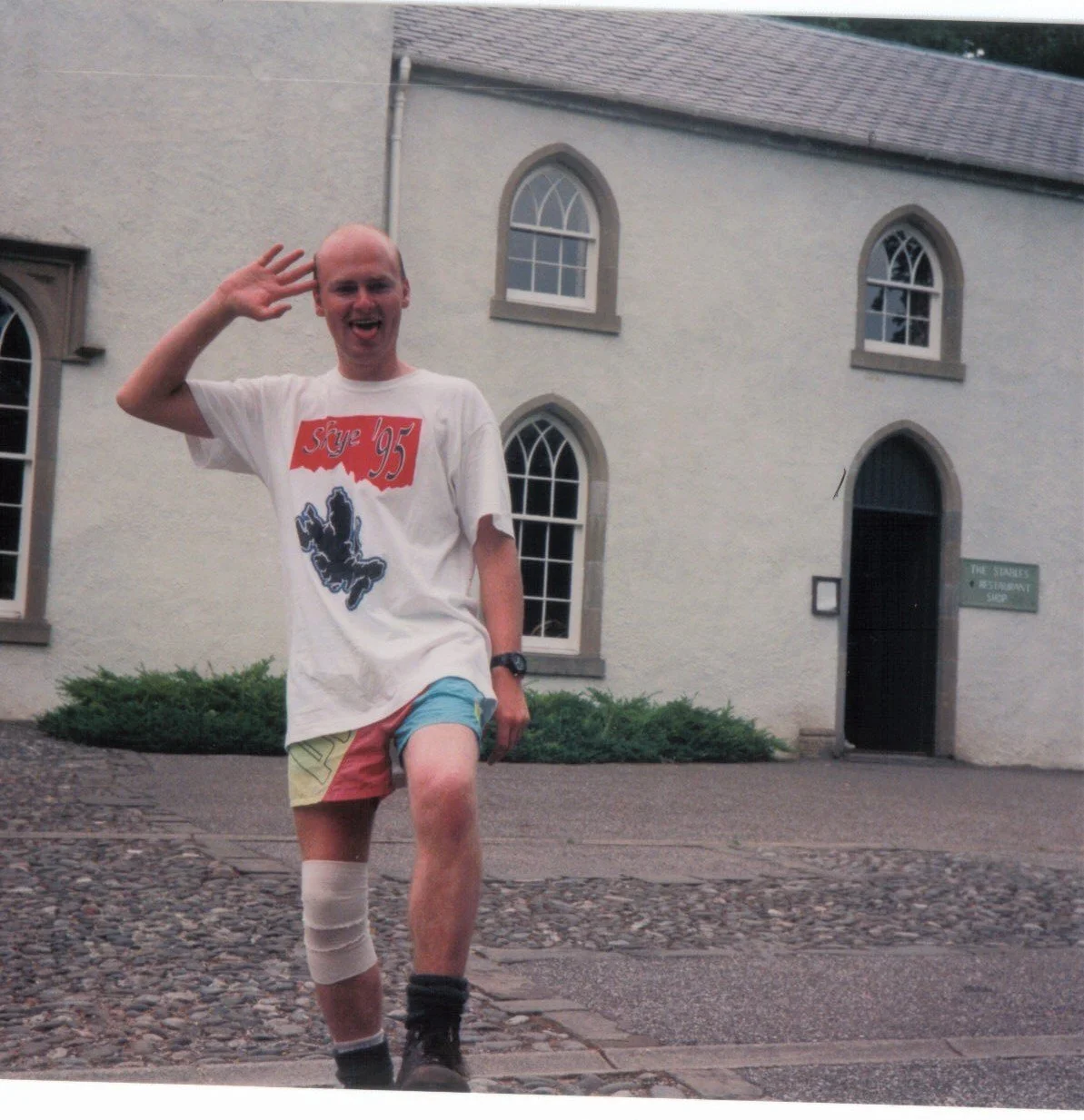
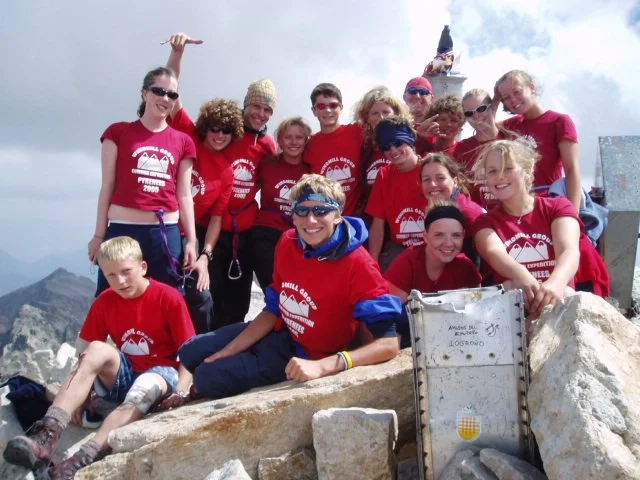
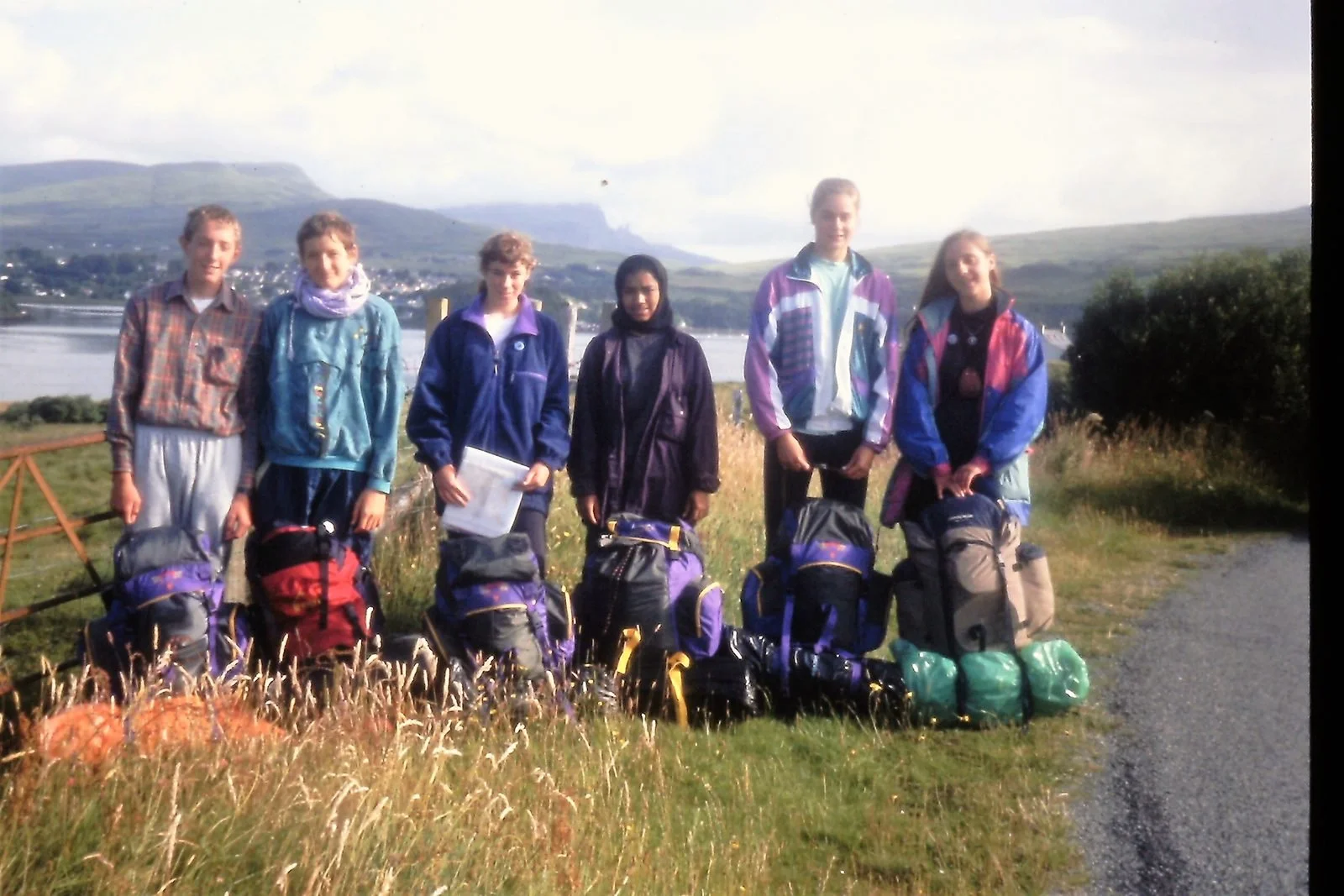
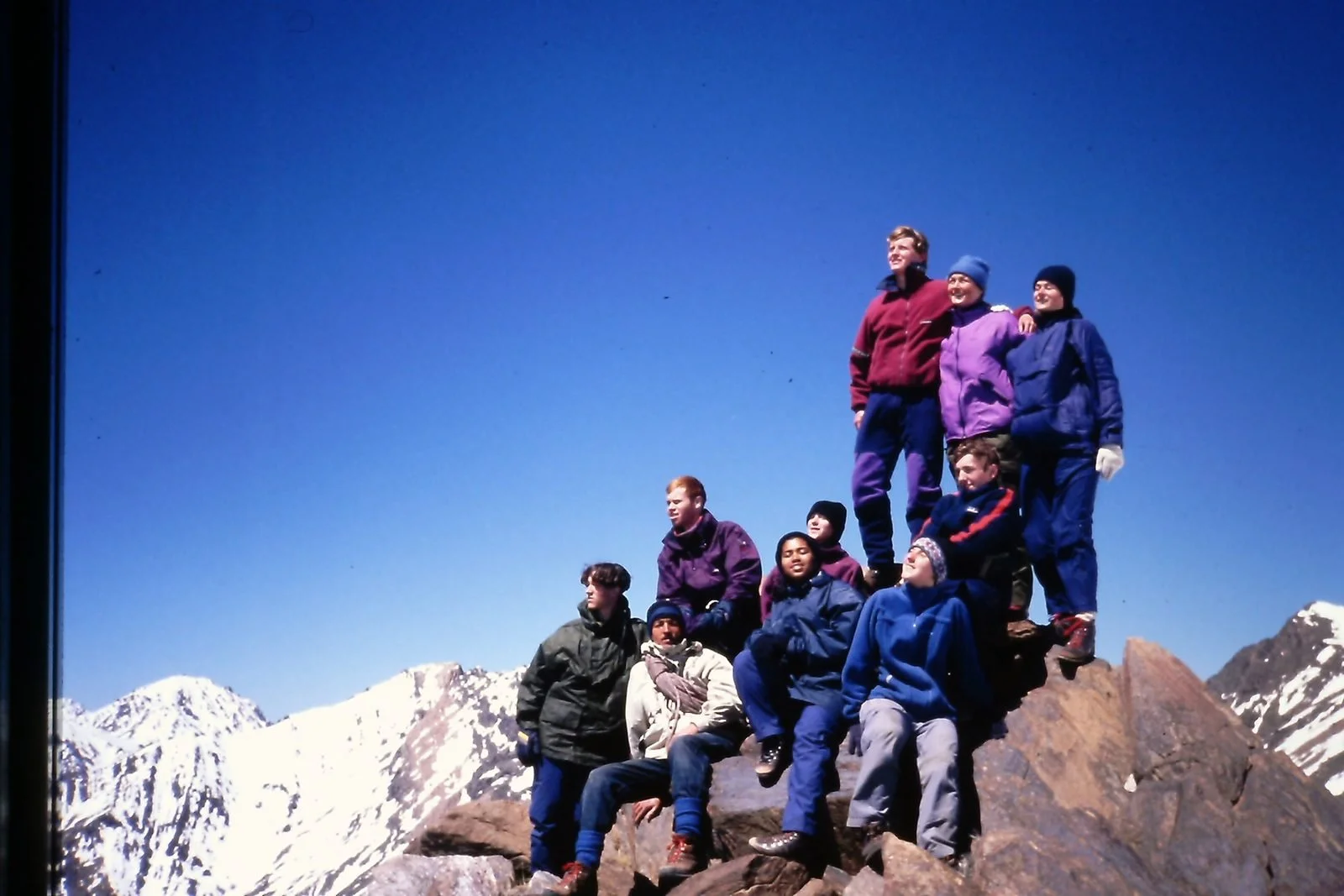
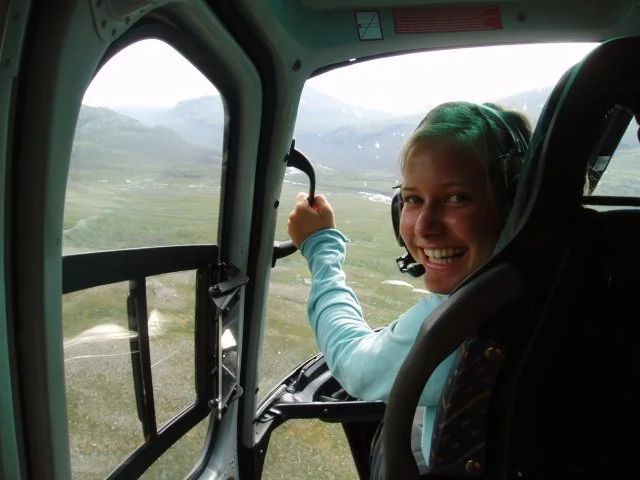
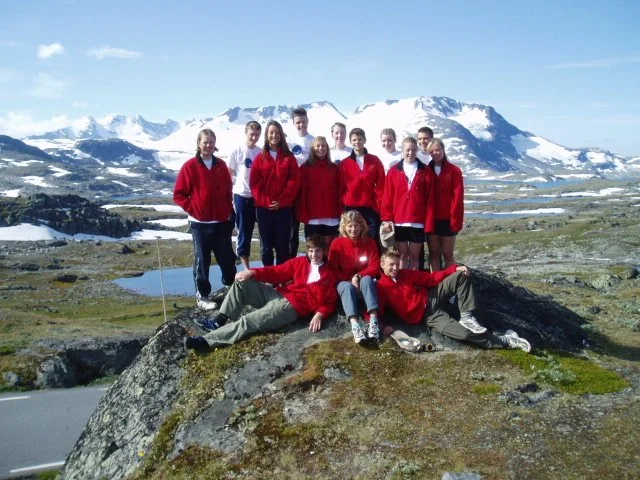
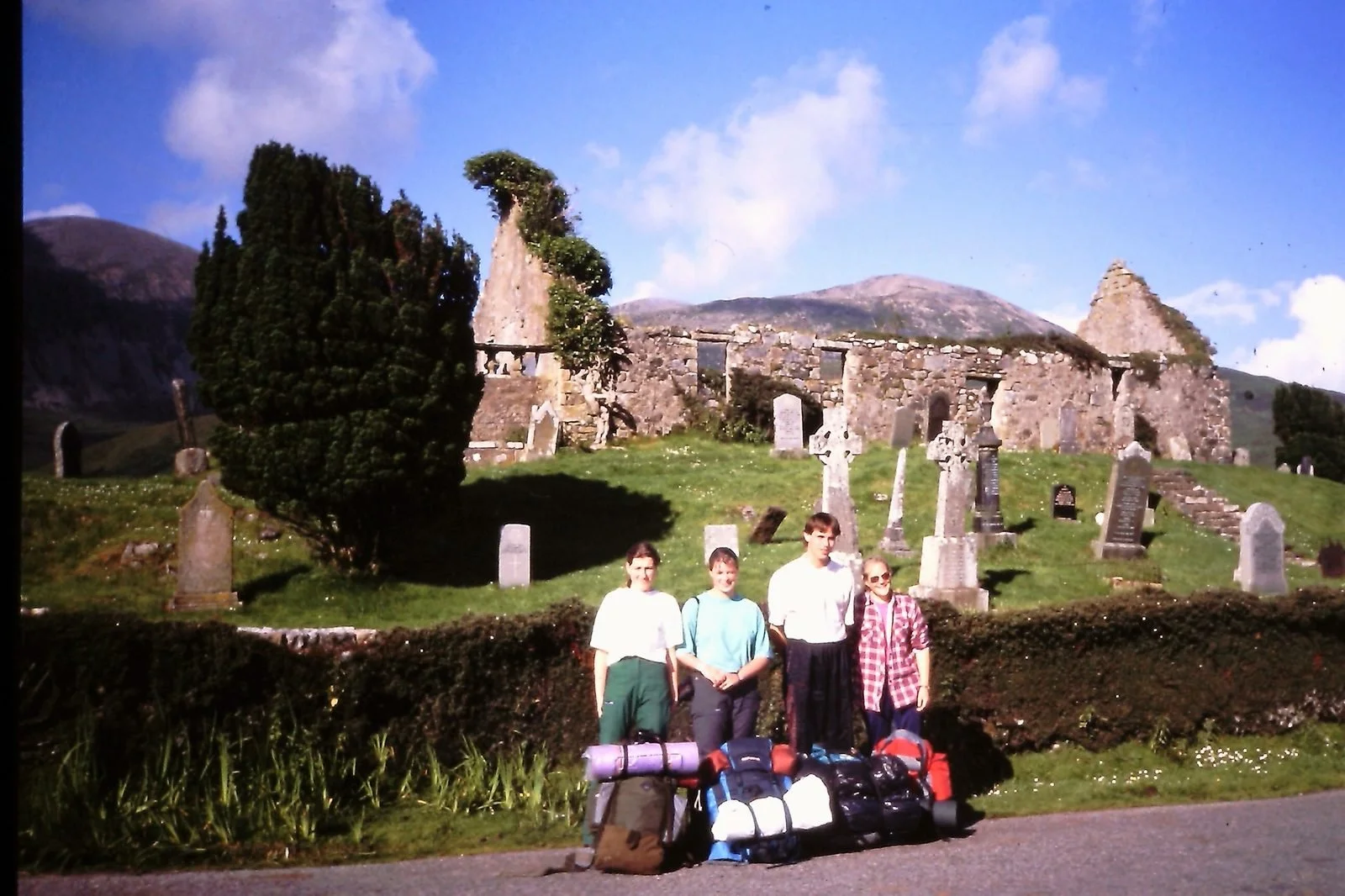
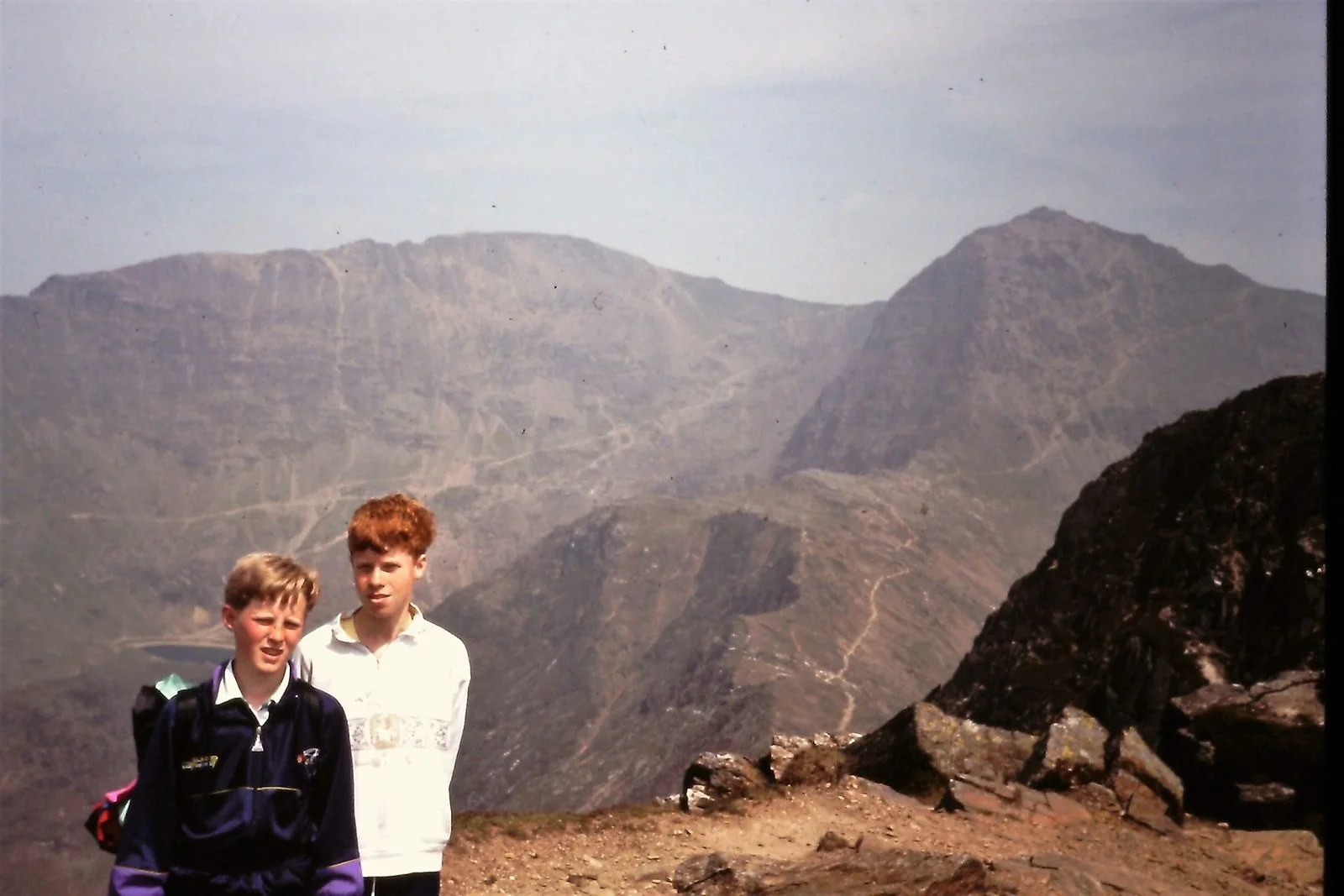
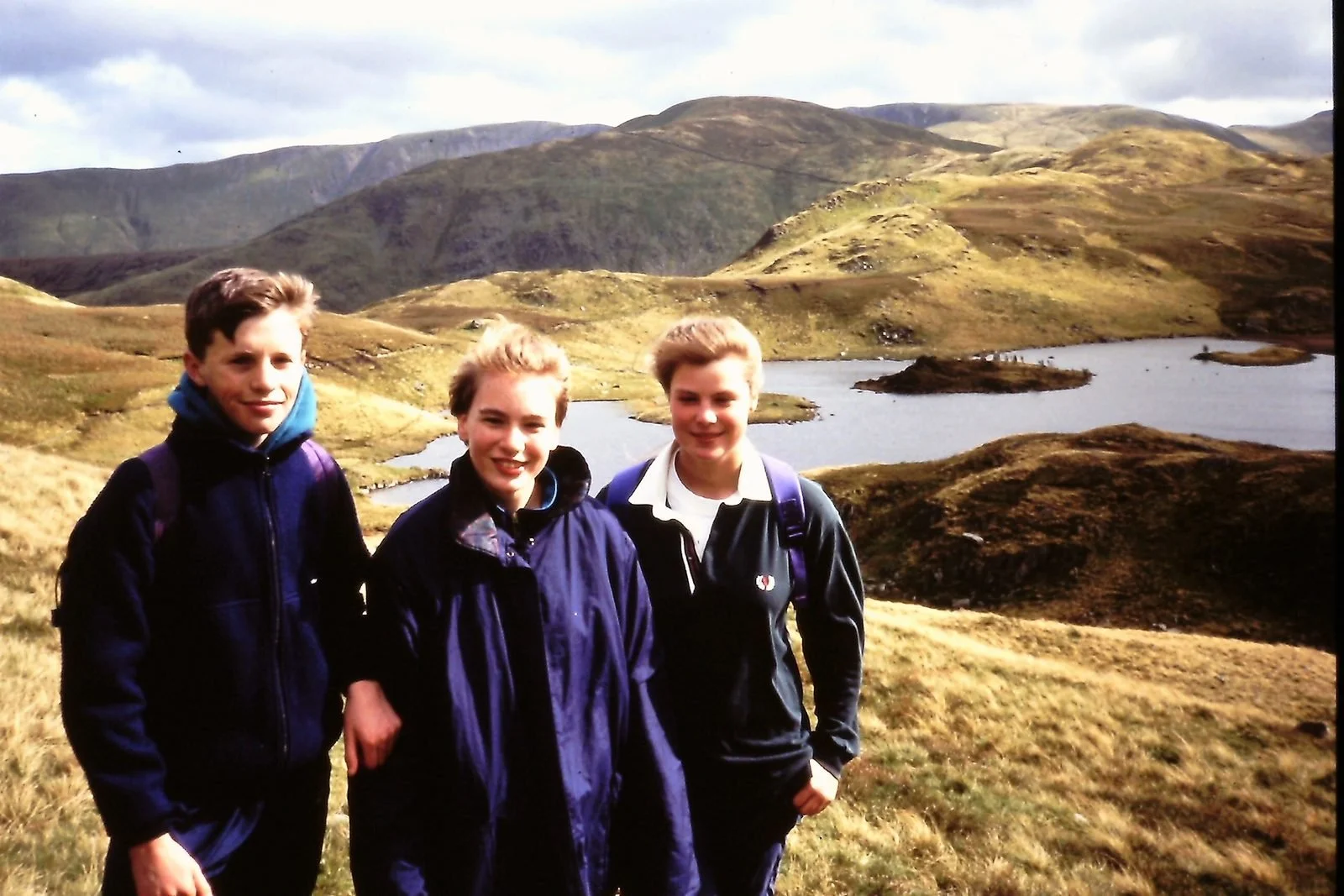
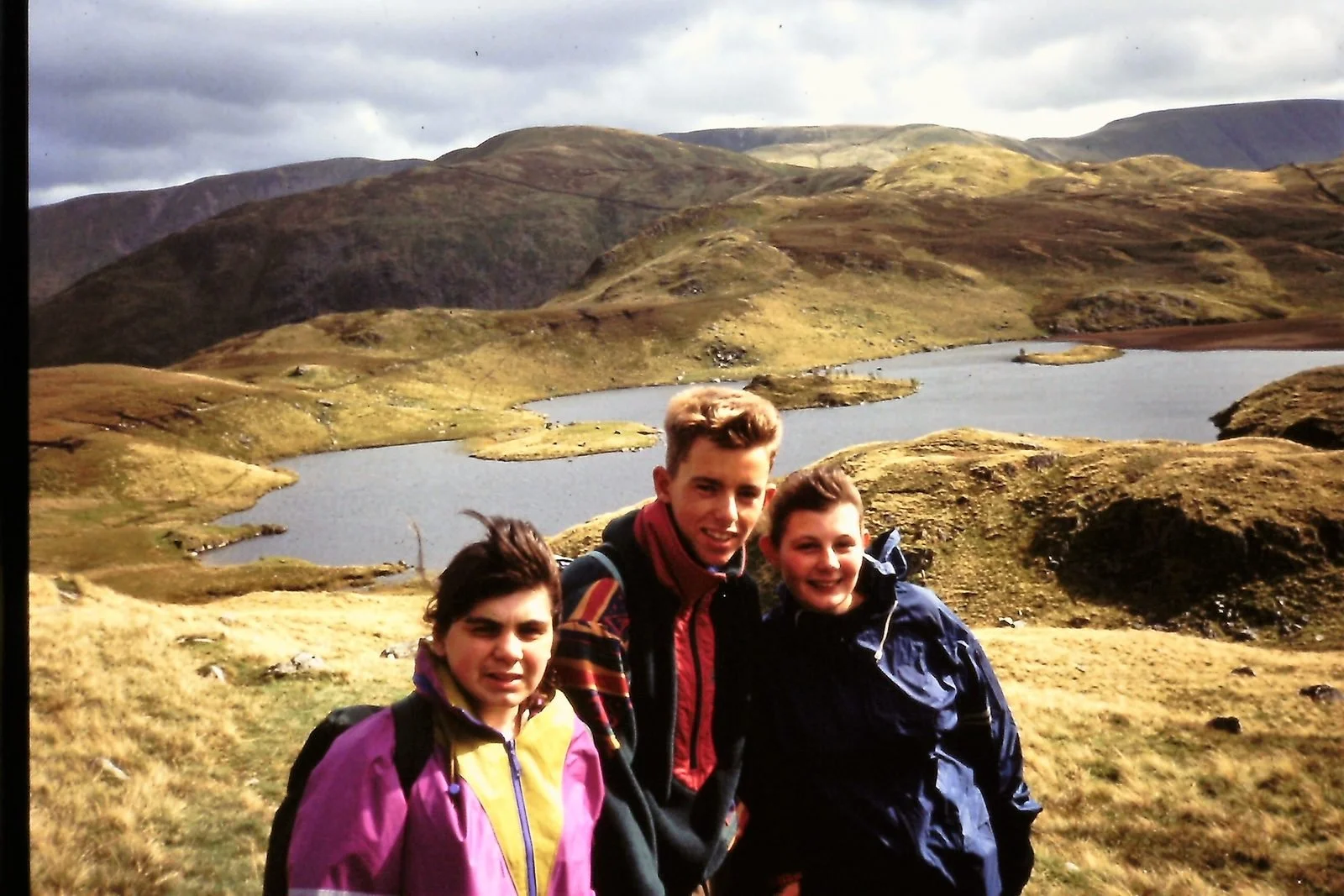
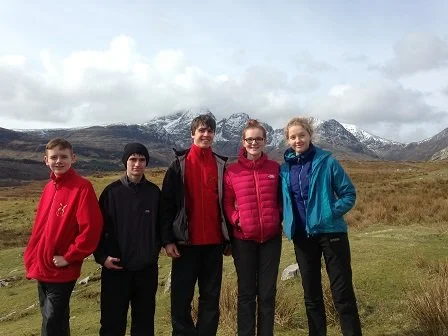
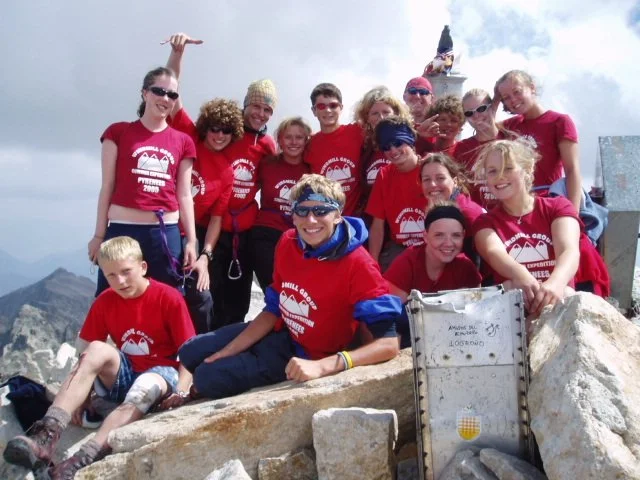
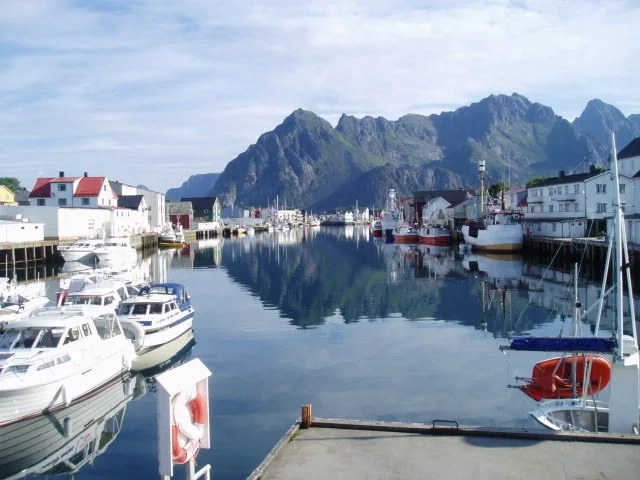
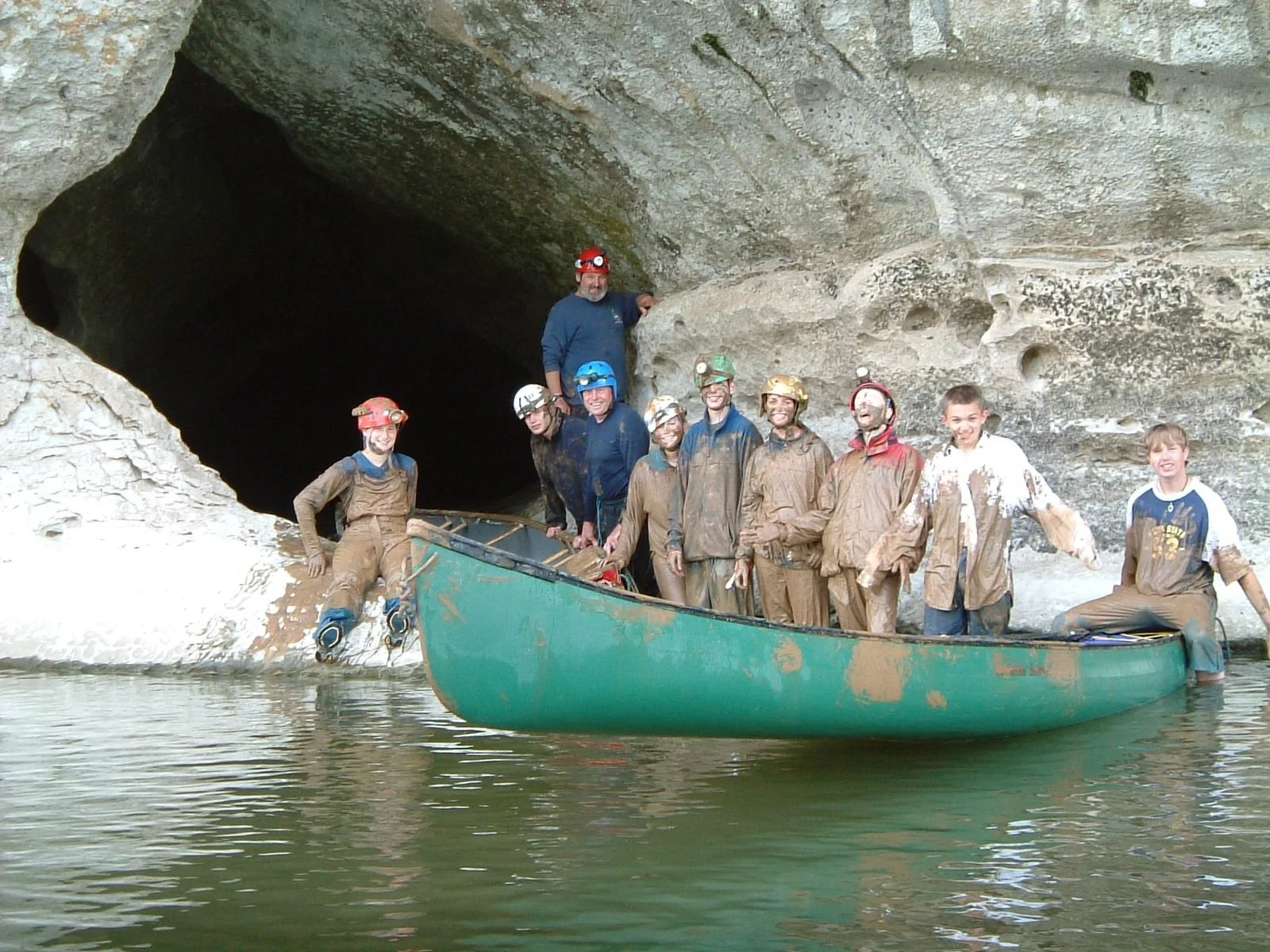
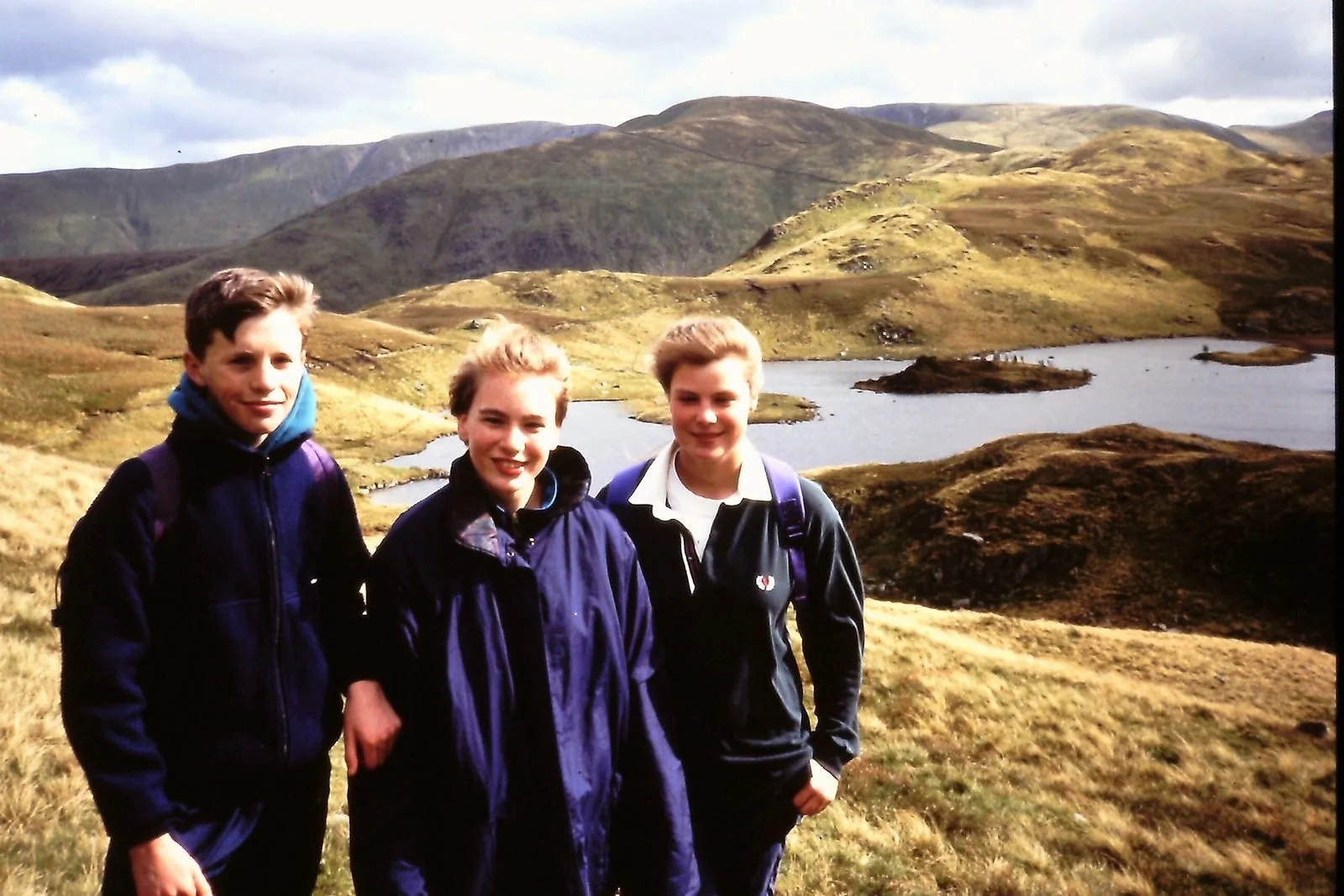
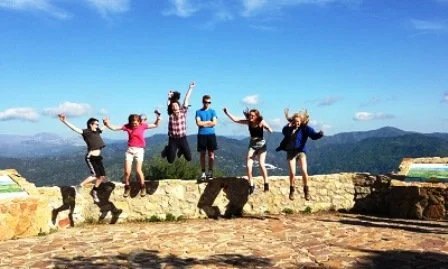
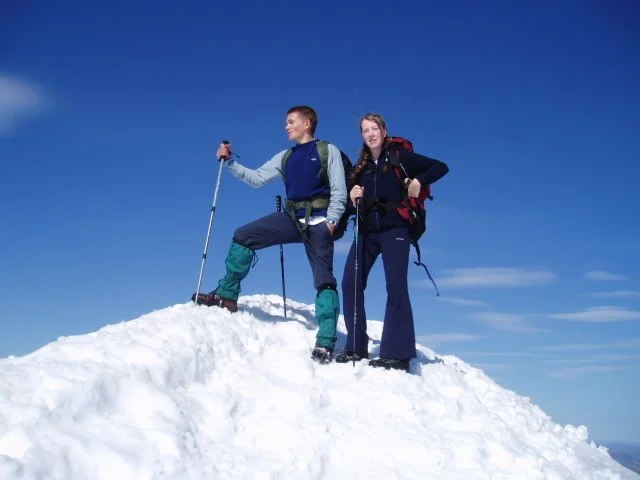
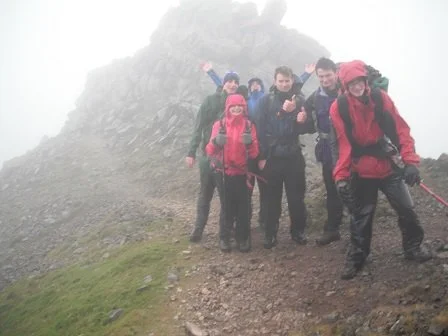
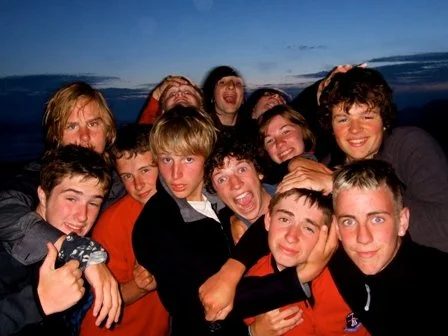
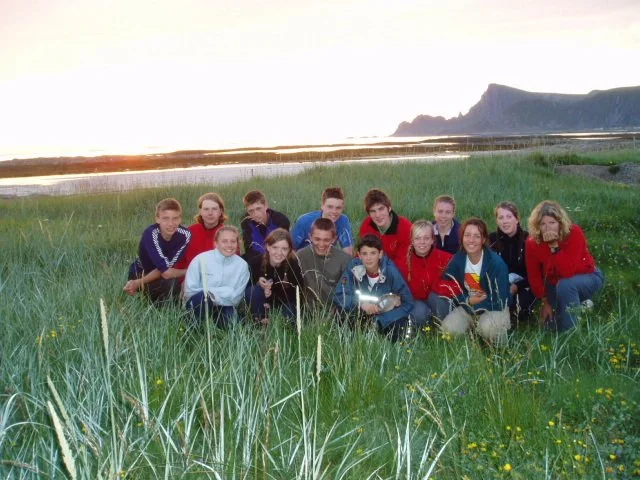
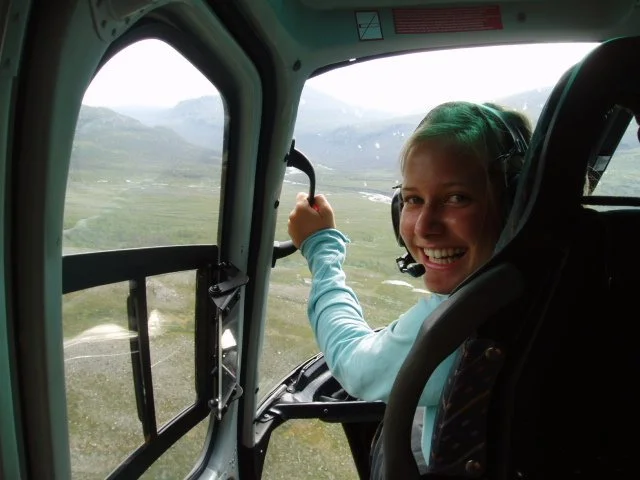
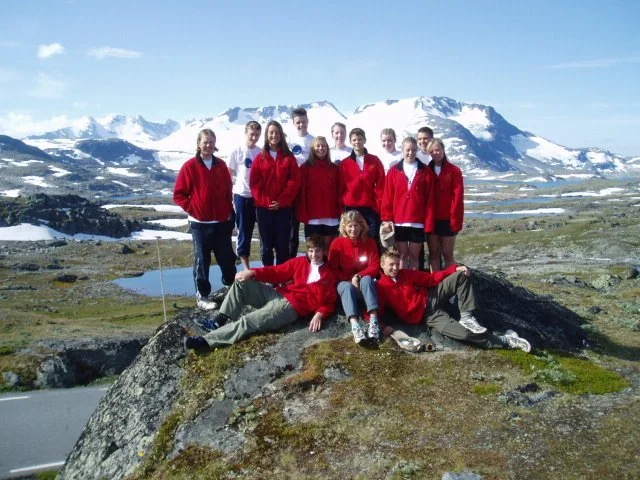
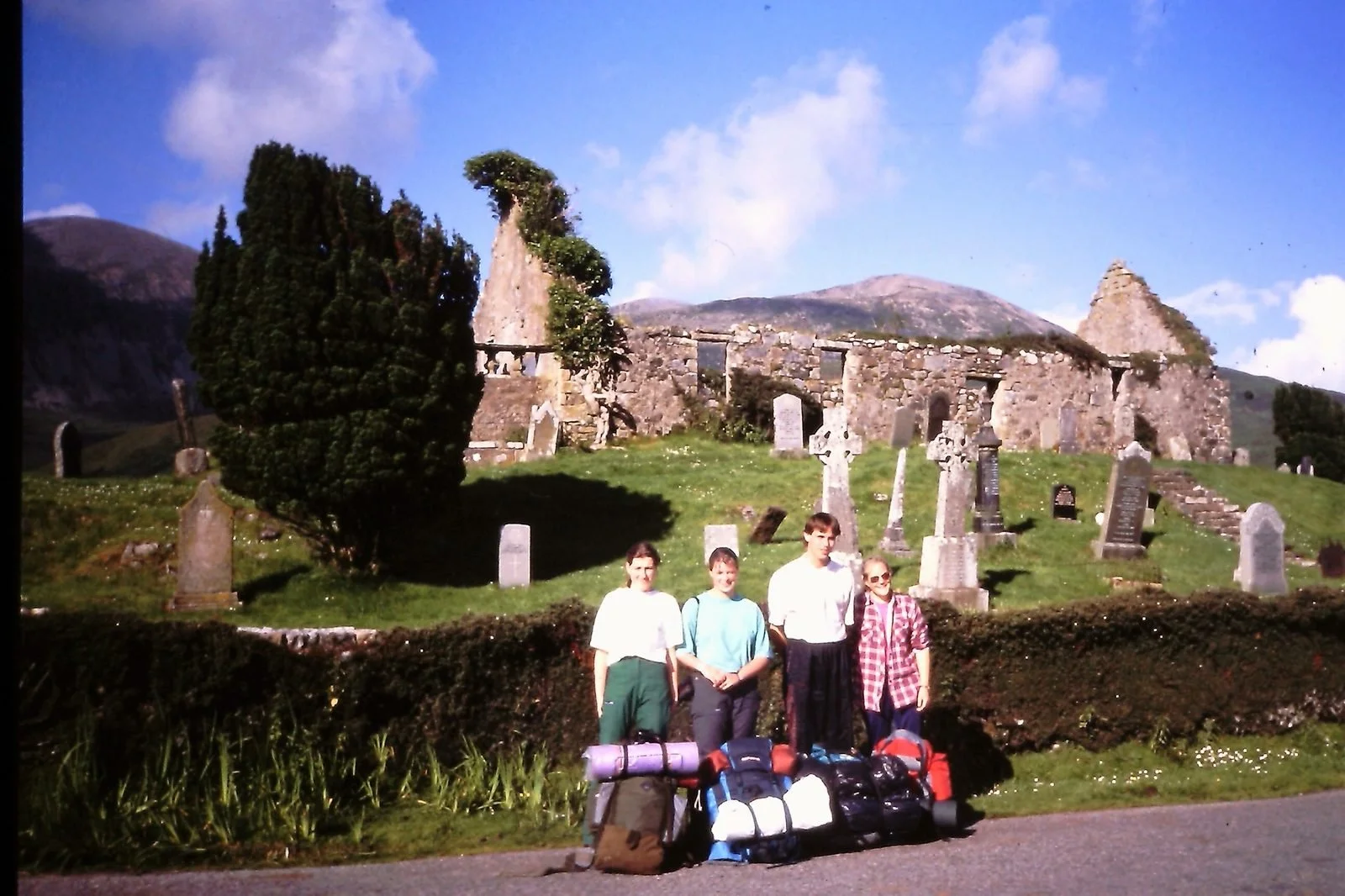
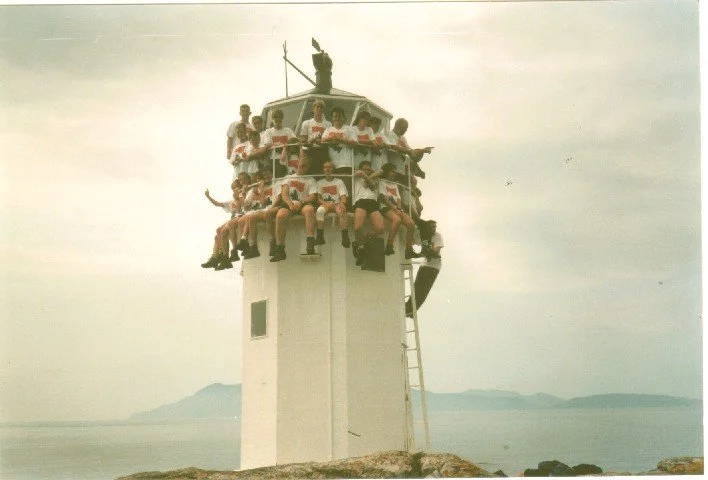
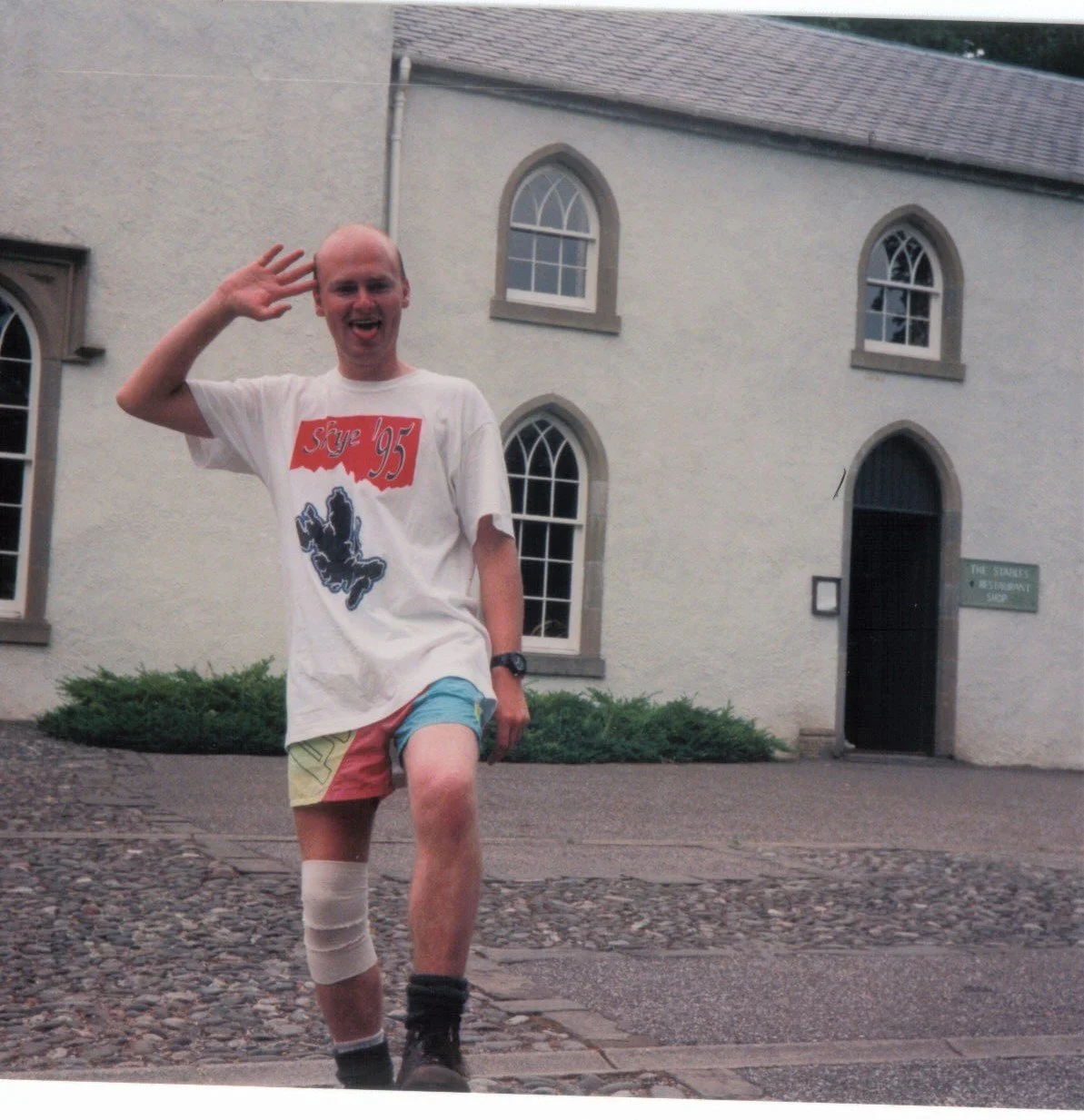
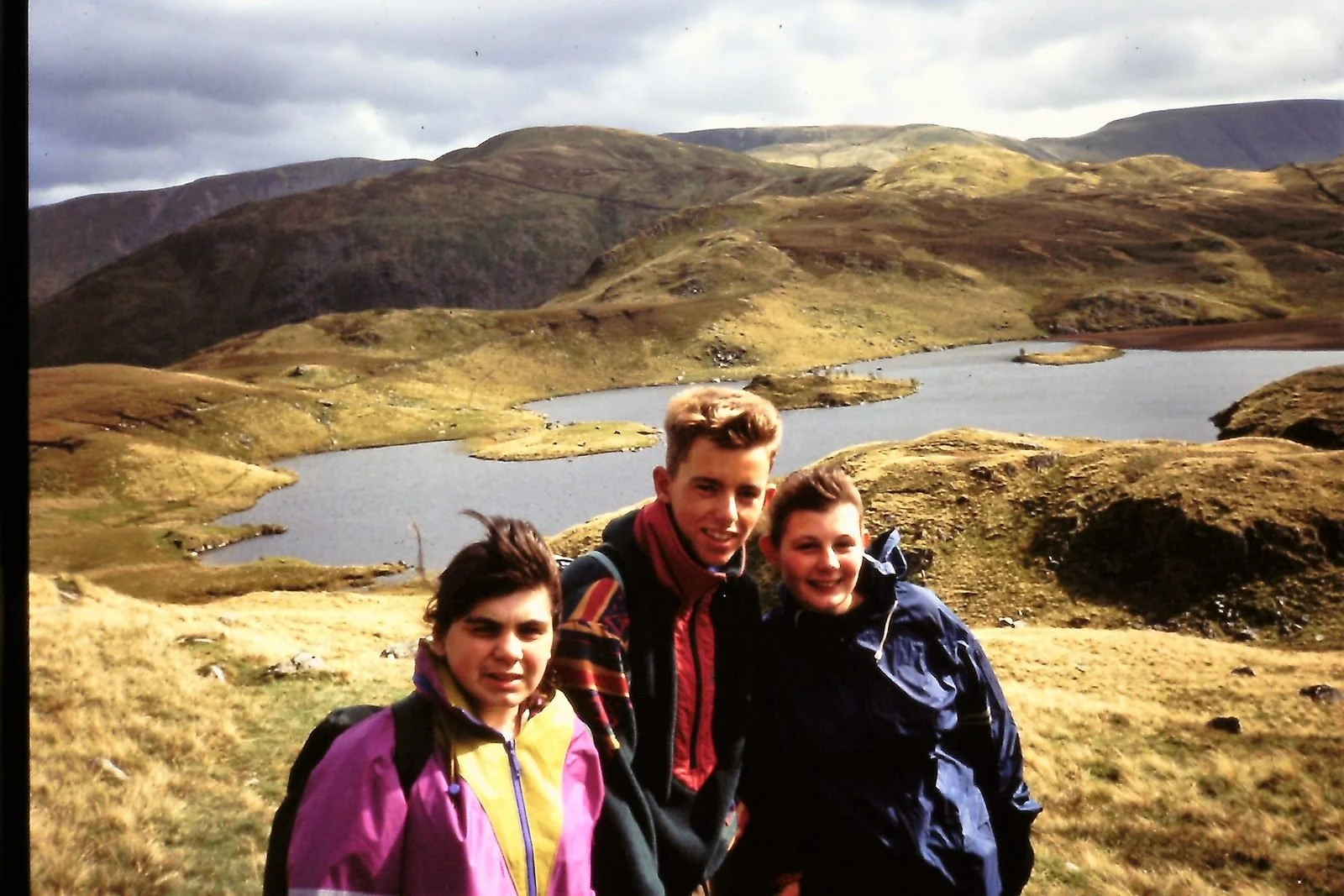
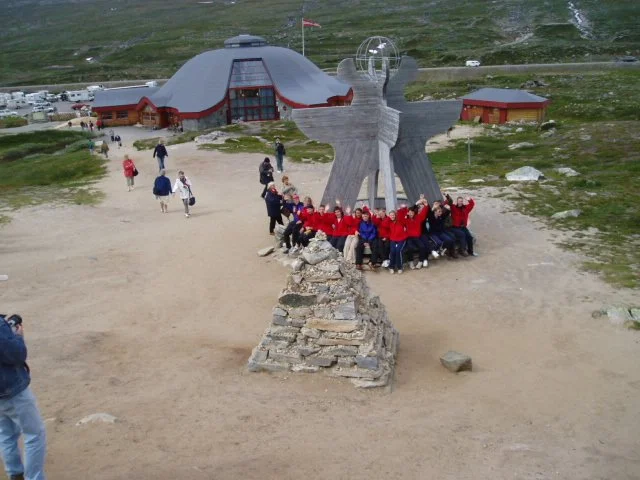
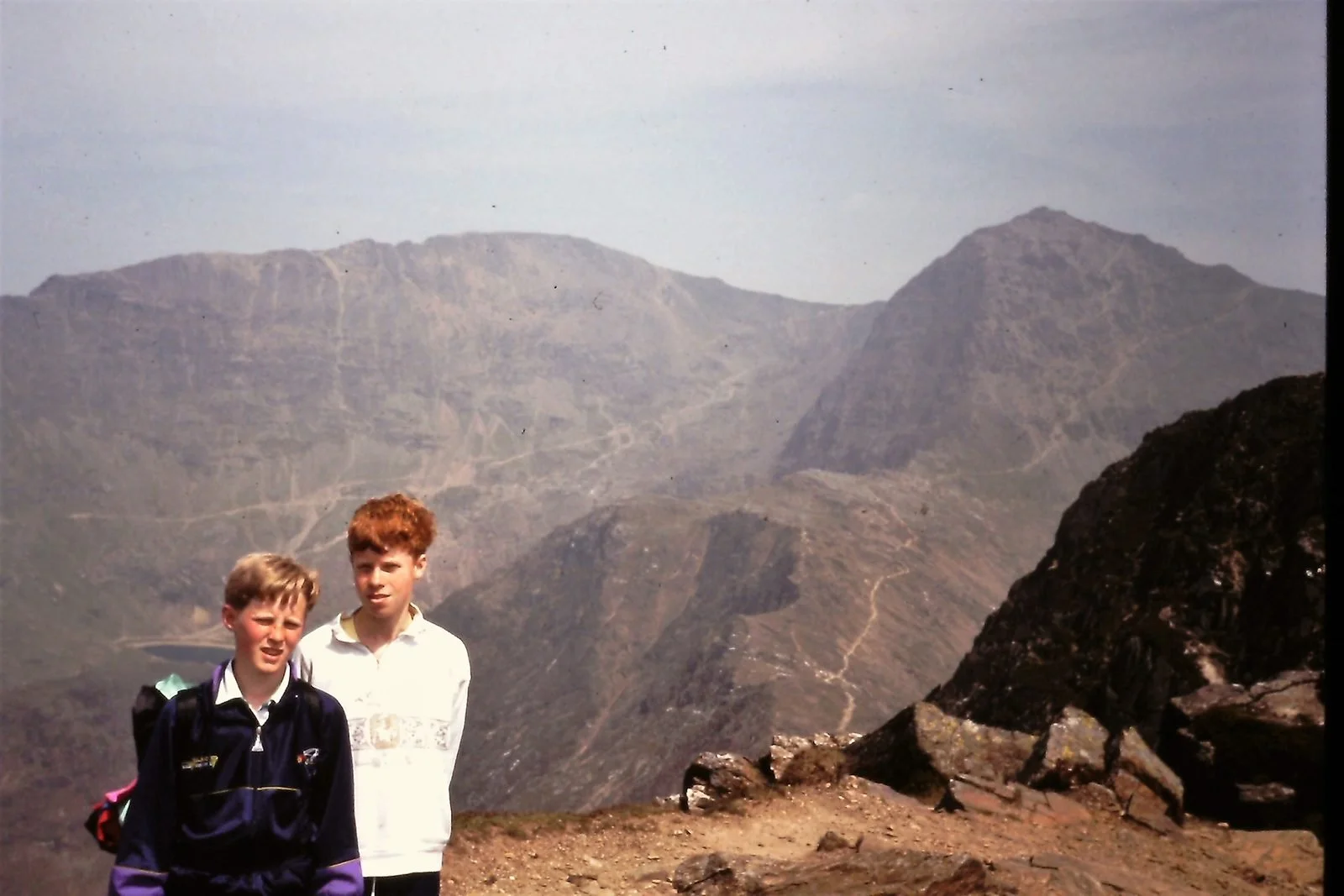
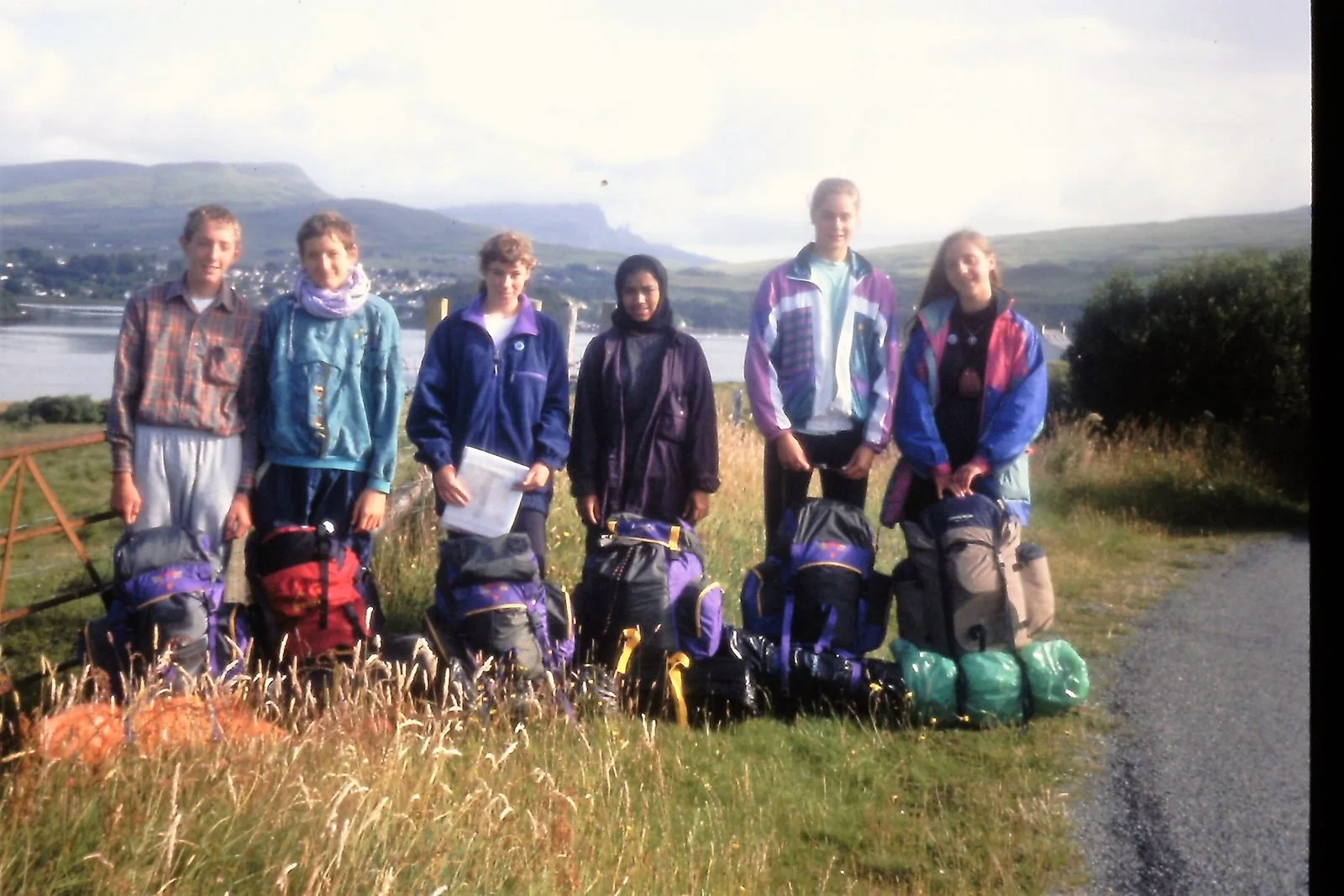
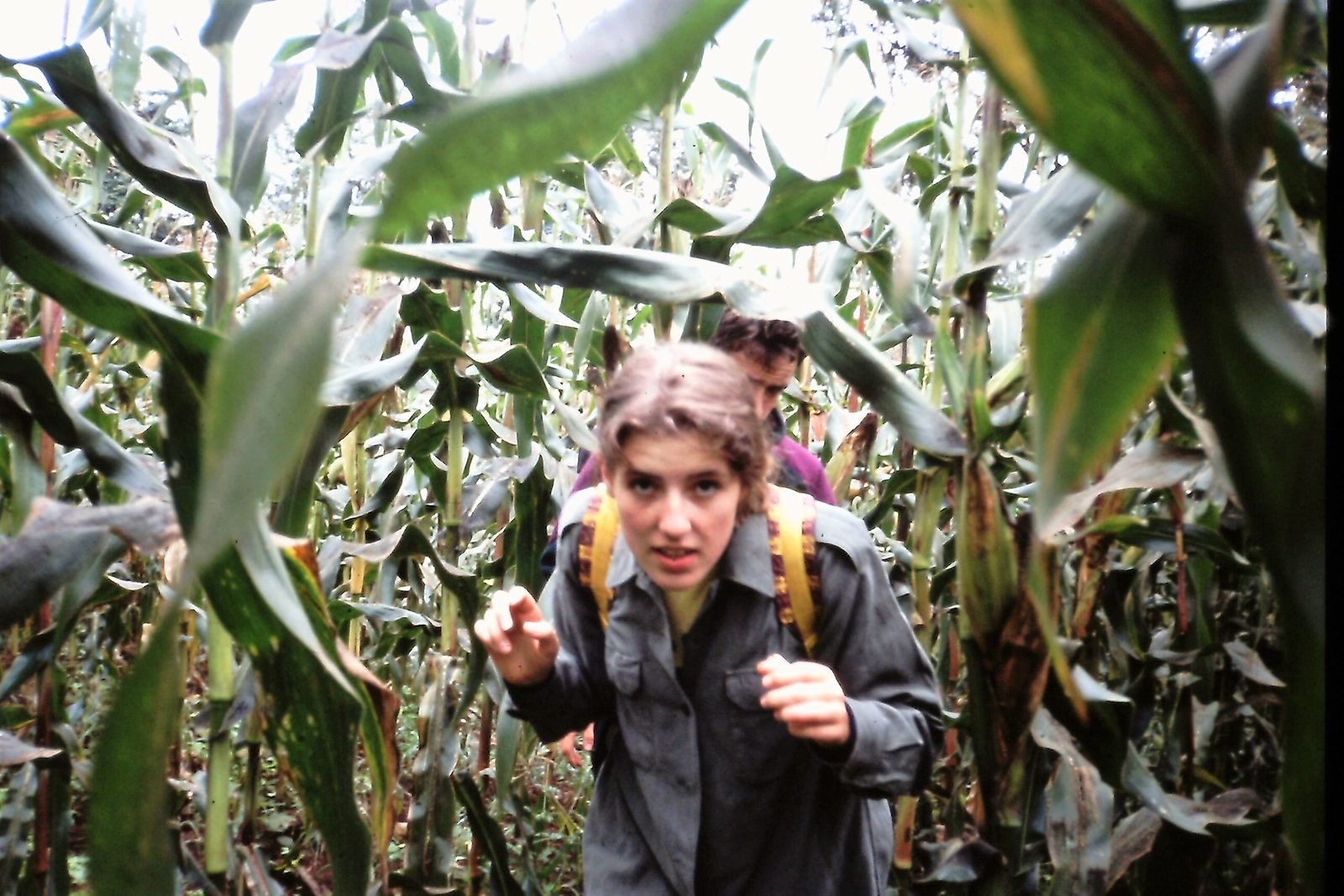
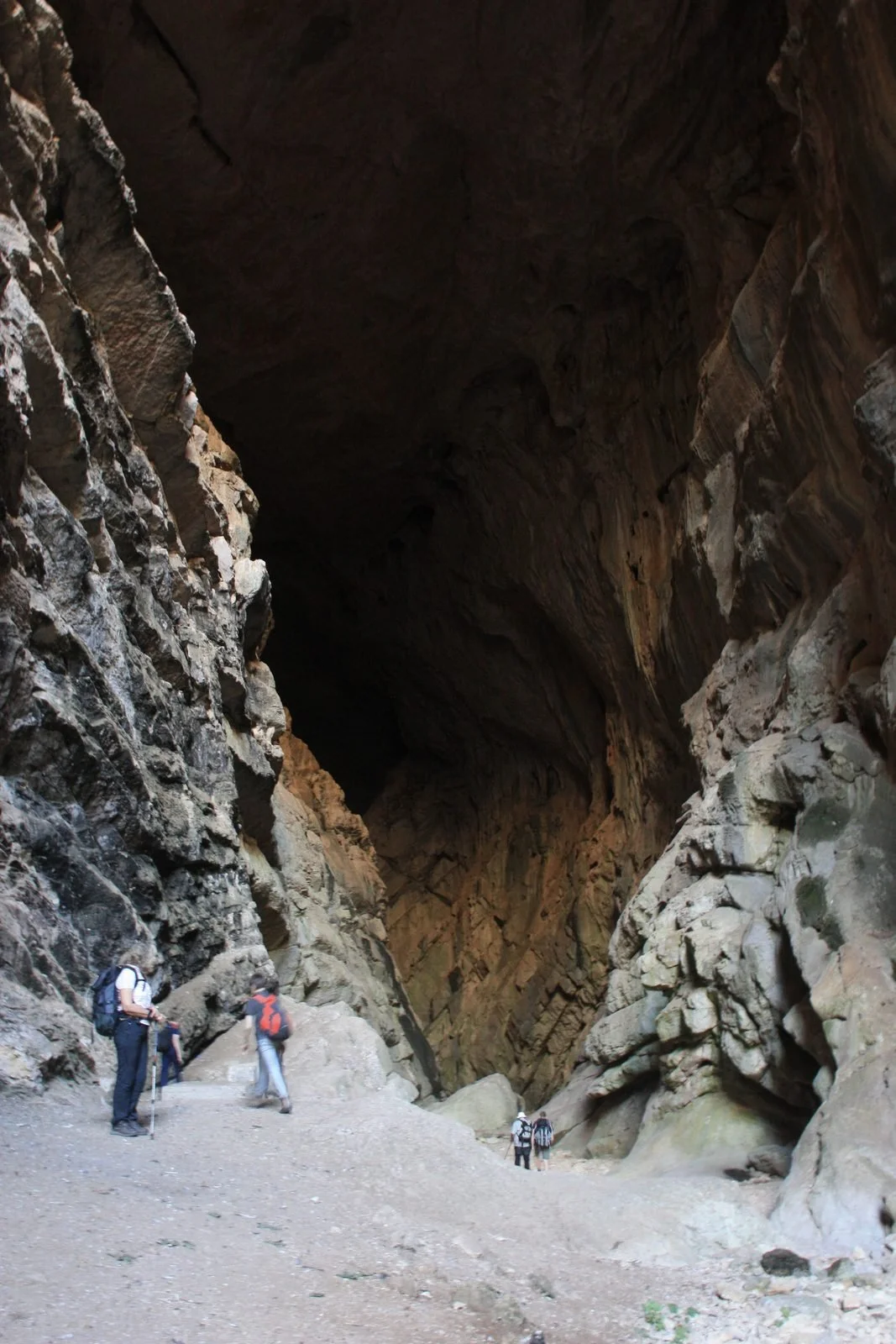
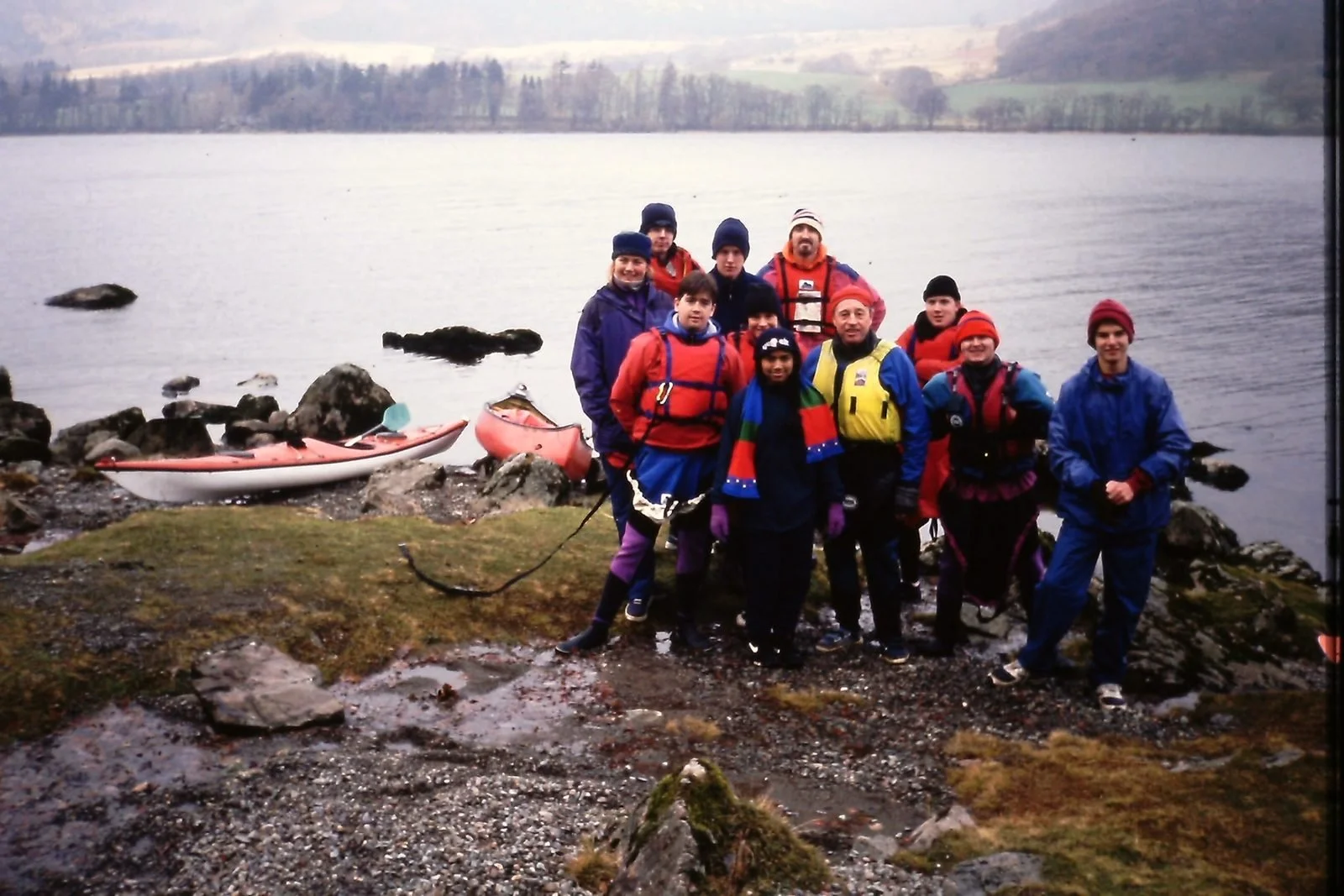
The expeditions ranged from Gold journeys in the Lake District, Scotland and Wales to ambitious overseas projects. Over the years Windmill Youth Group teams travelled to the Alps, Kenya, Morocco, Canada, Peru, Scandinavia, British Columbia, France and Spain, often combining an expedition with community, educational or environmental work.
The objective was consistent: preparation mattered, standards mattered, and young people were expected to take genuine responsibility for the challenge they had chosen.
Selected expeditions and projects
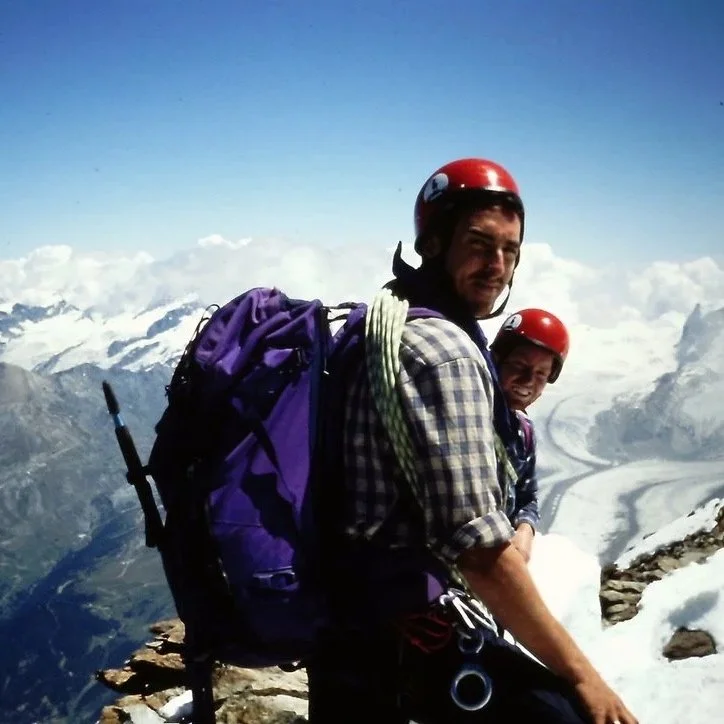
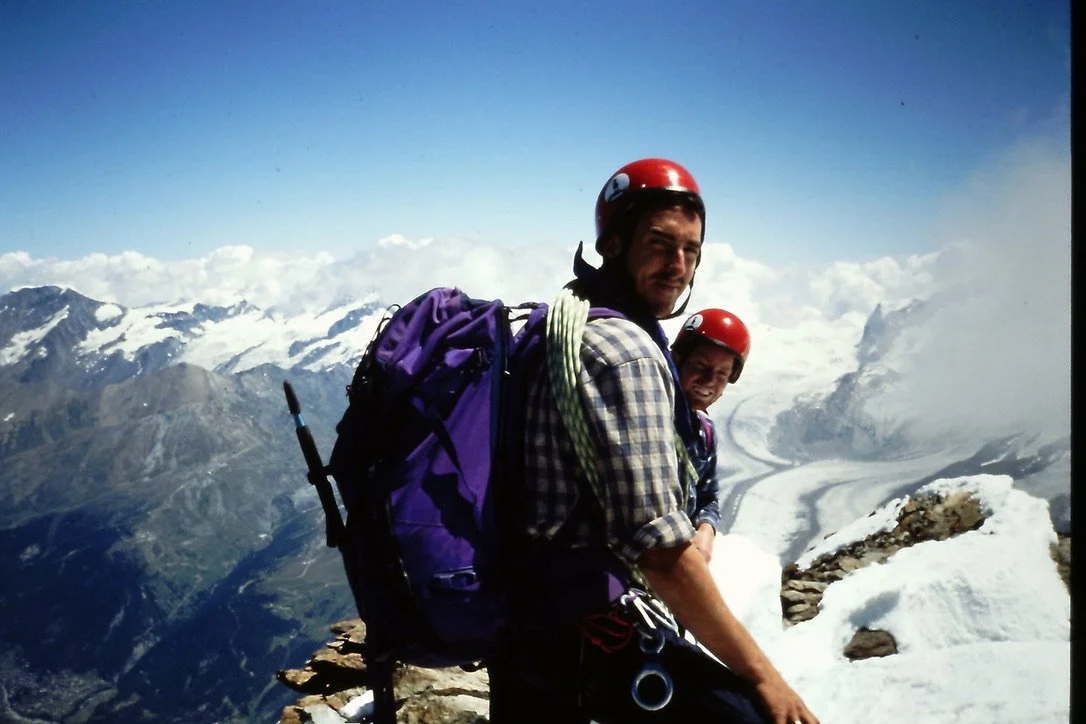
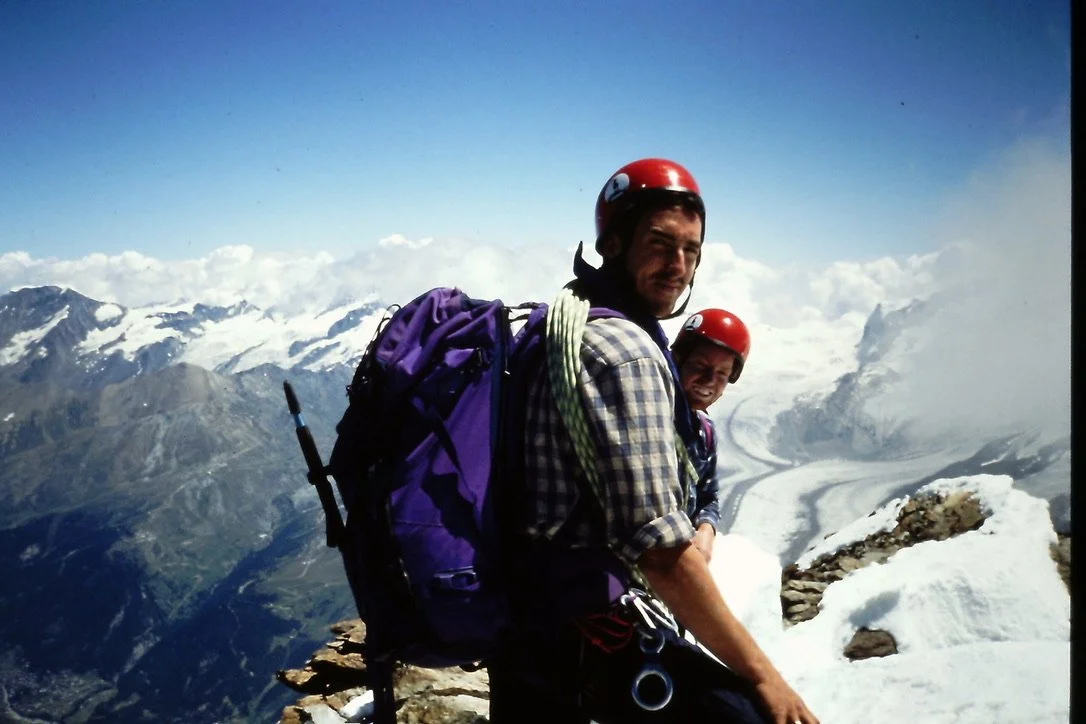
1991 - The Alps.
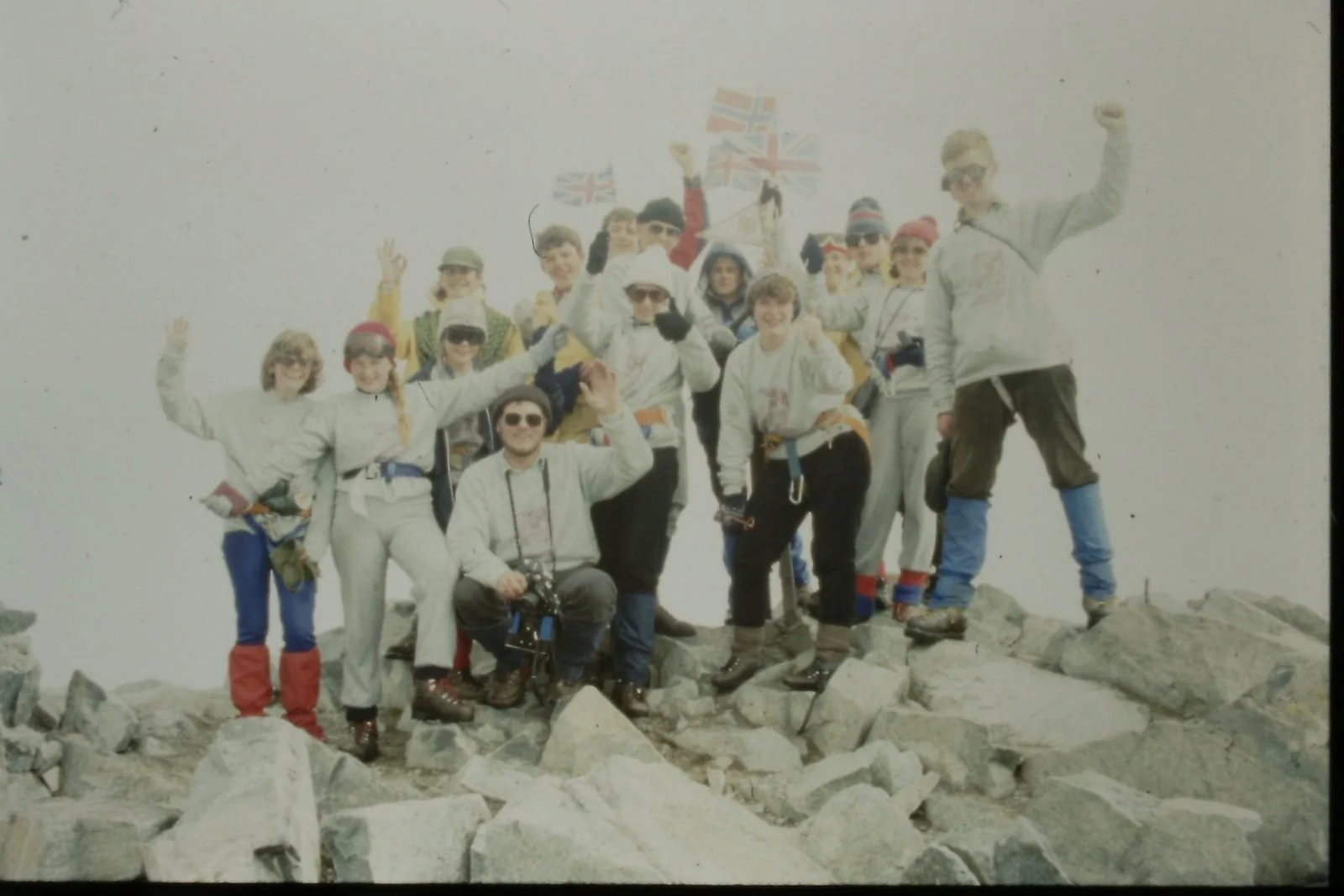
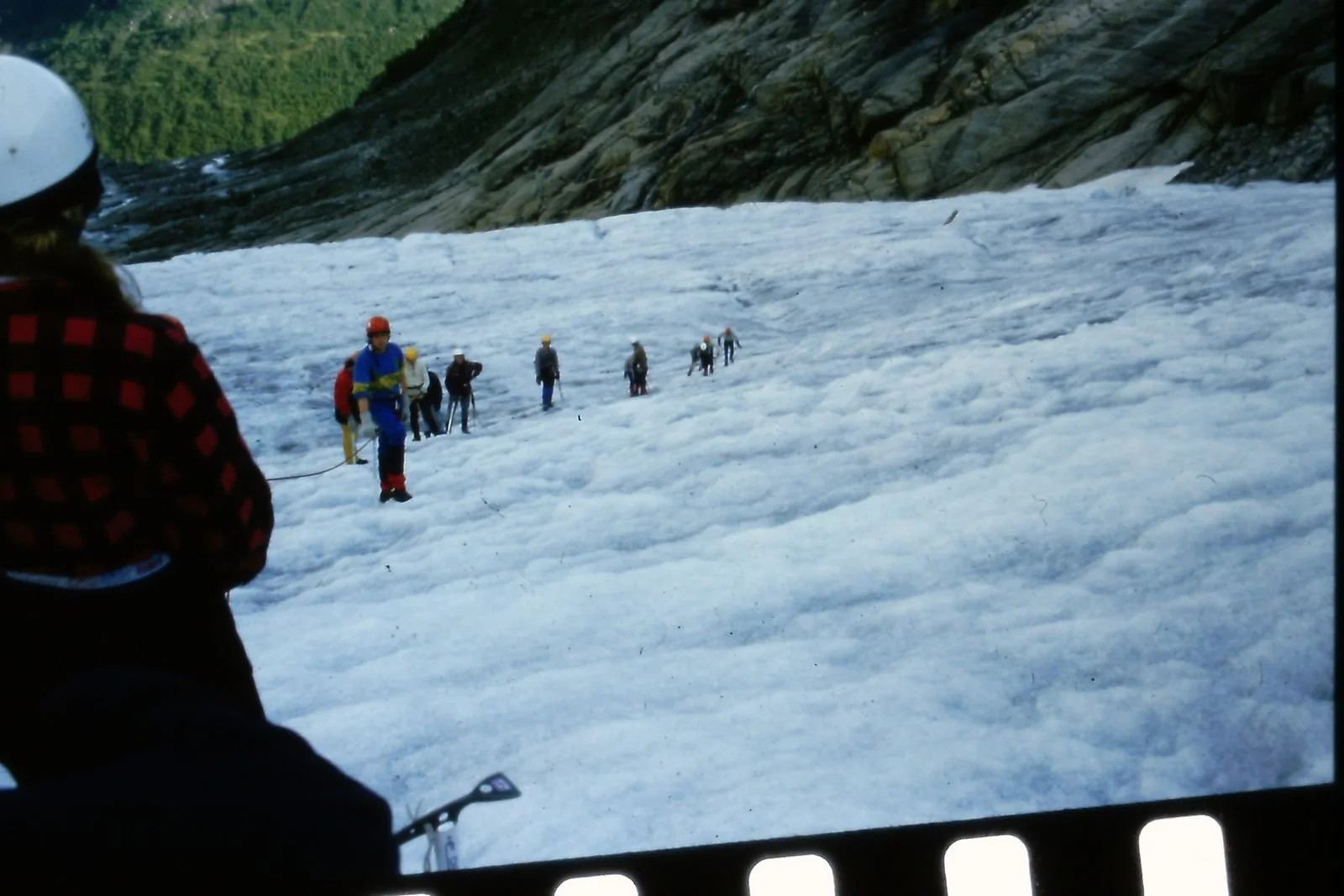
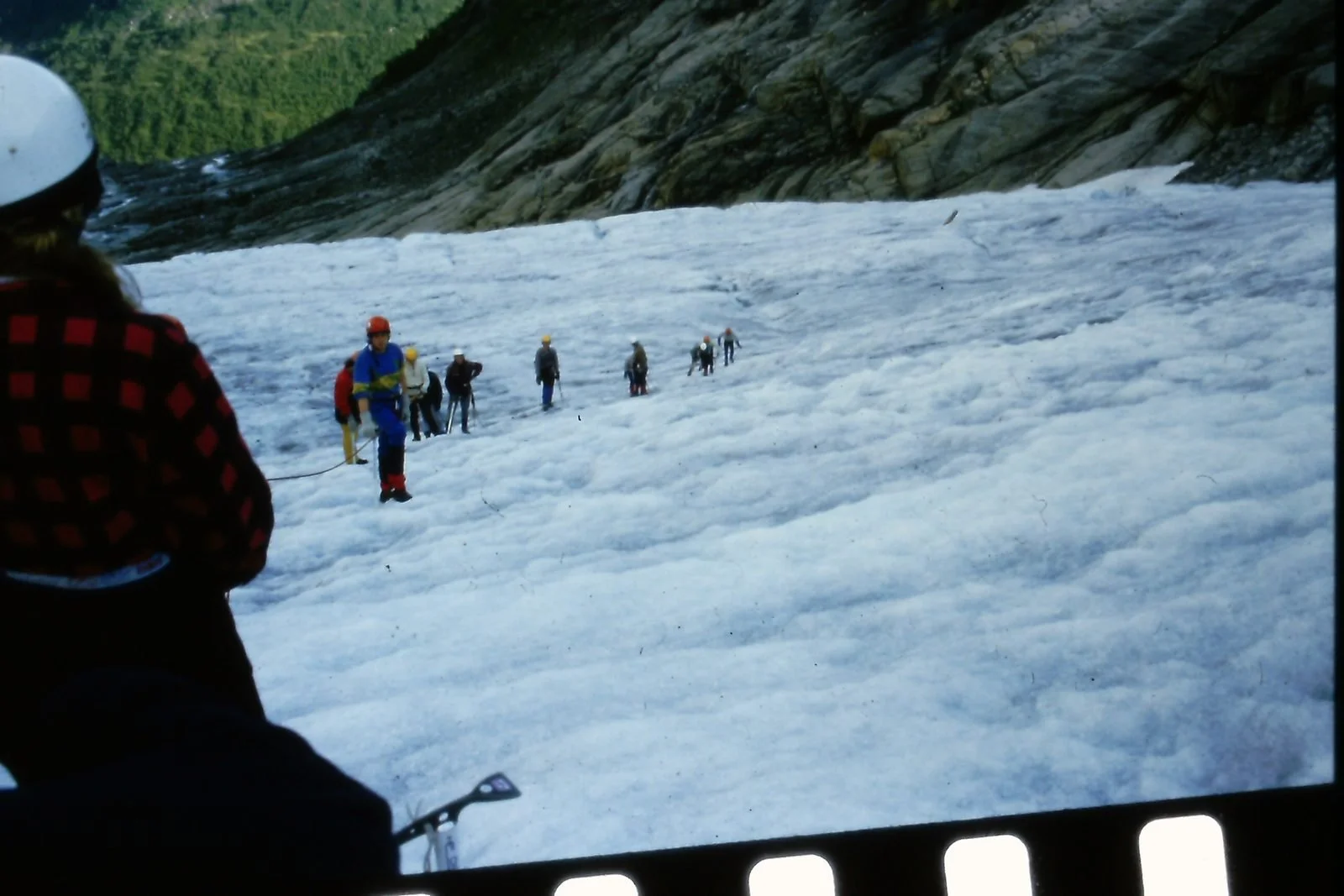
A major Alpine expedition includes ascents in the European Alps, including the Matterhorn and Mont Blanc.
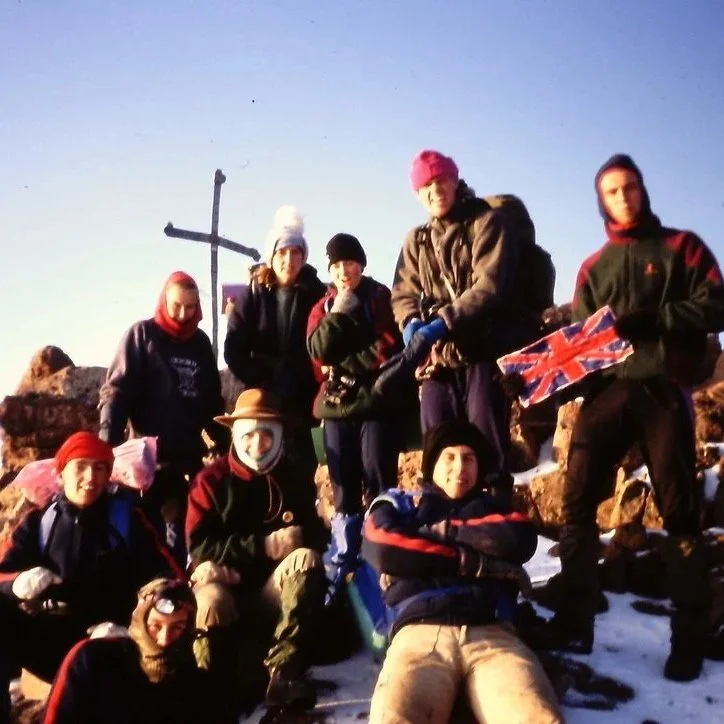
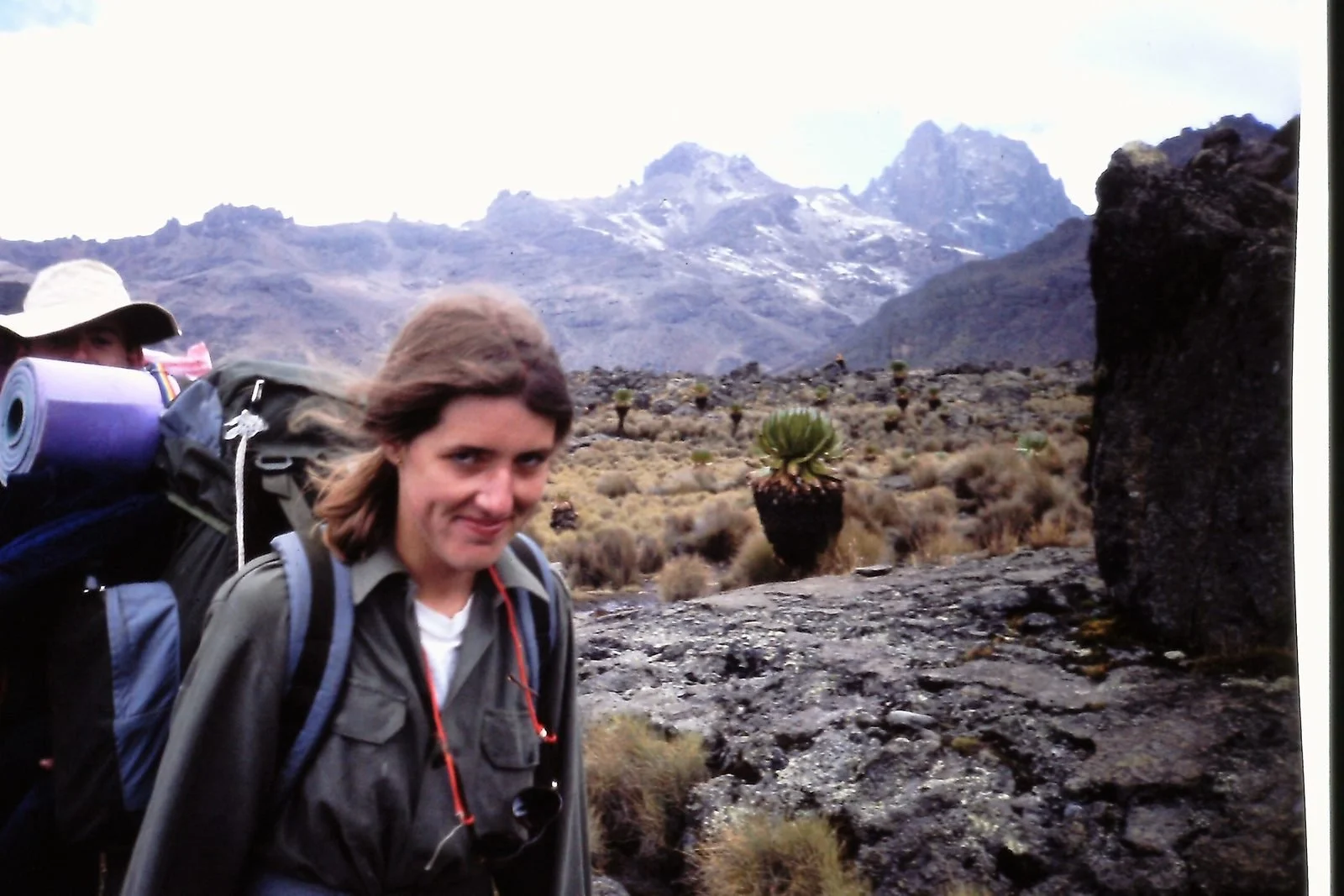
1992 - Kenya.
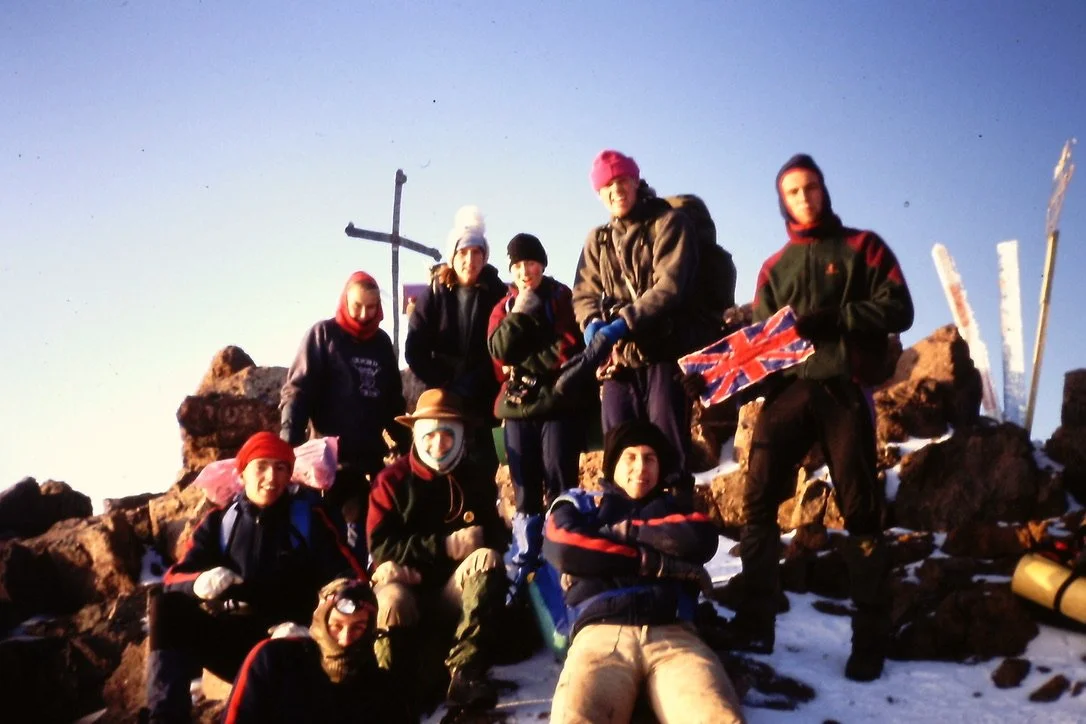
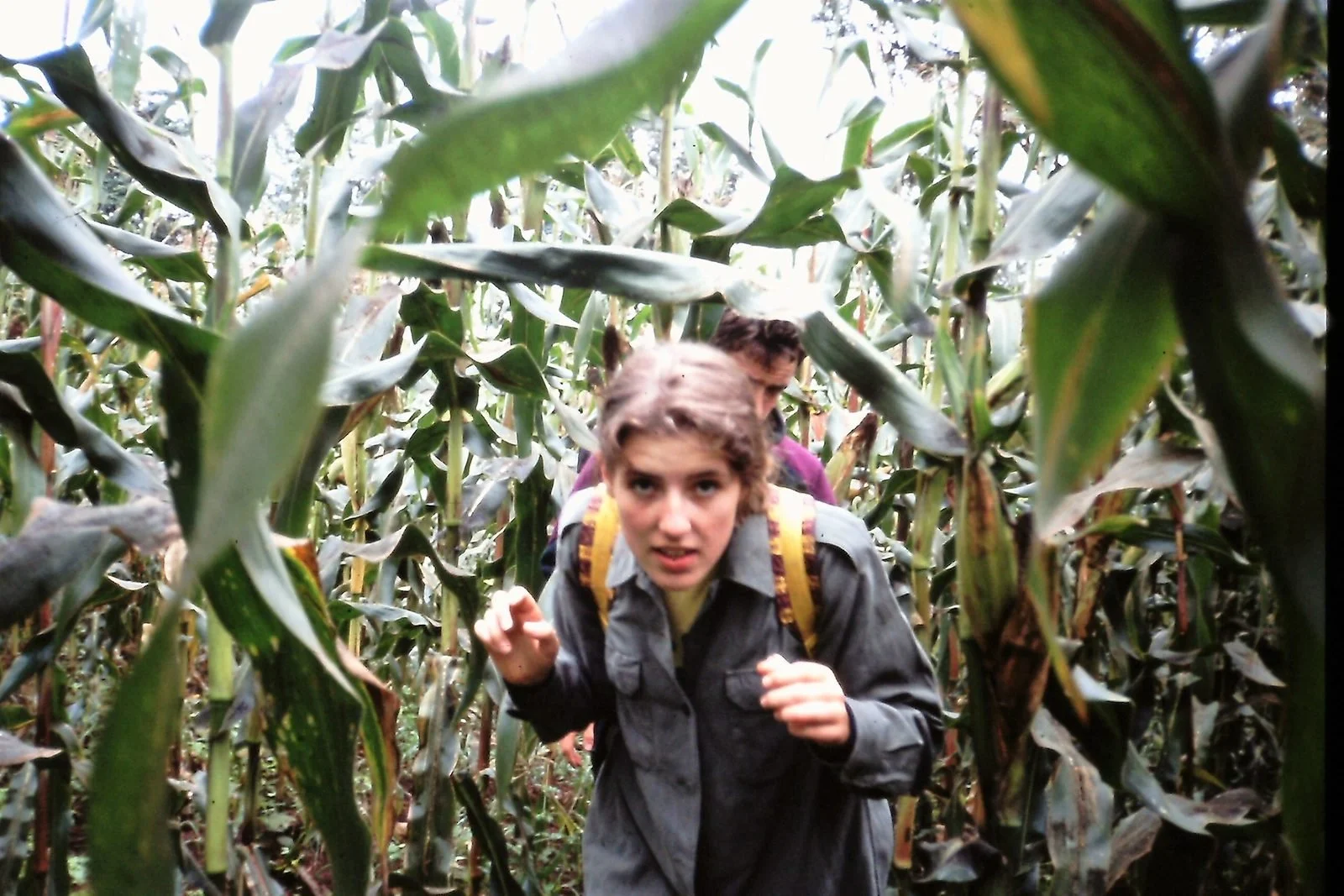
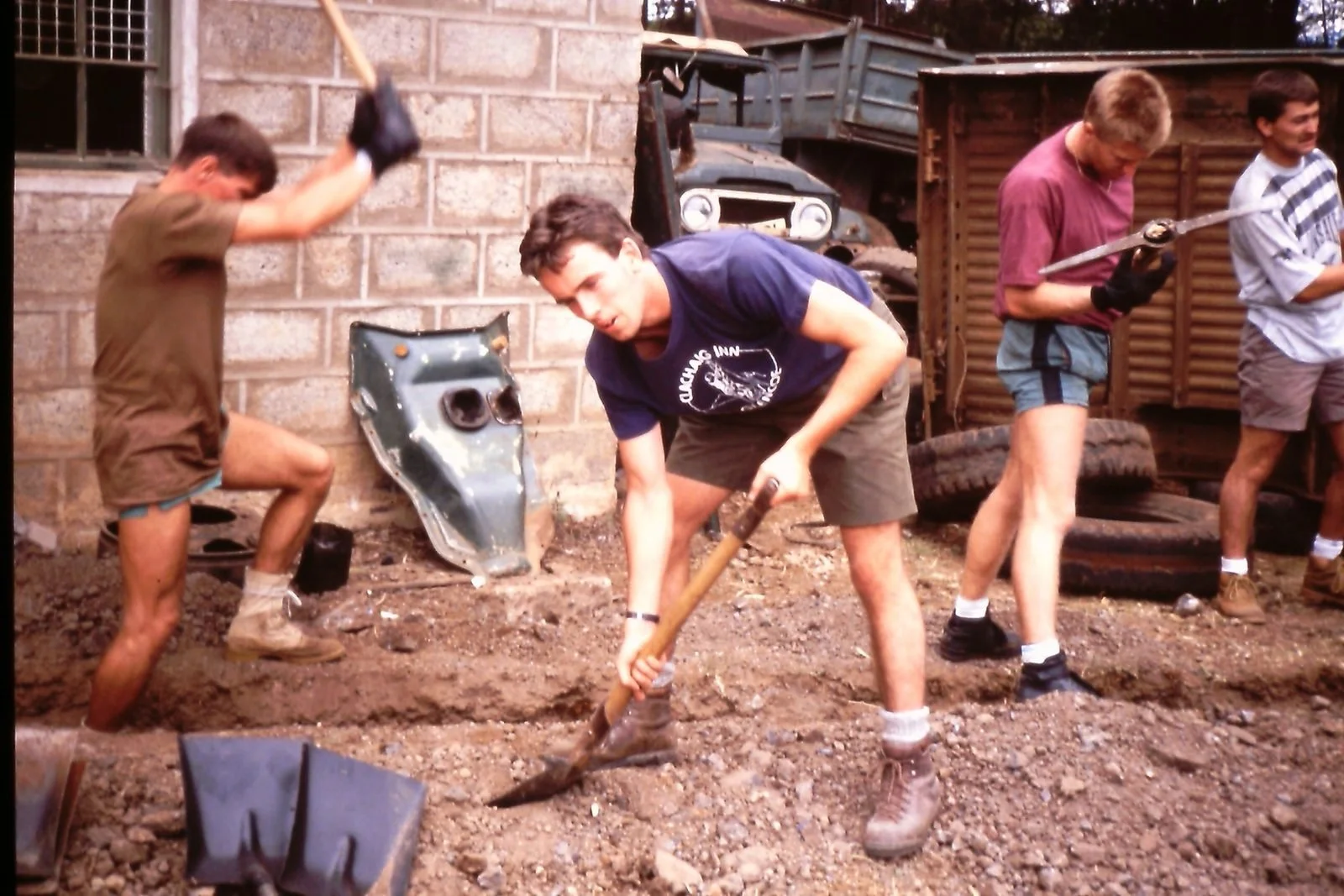
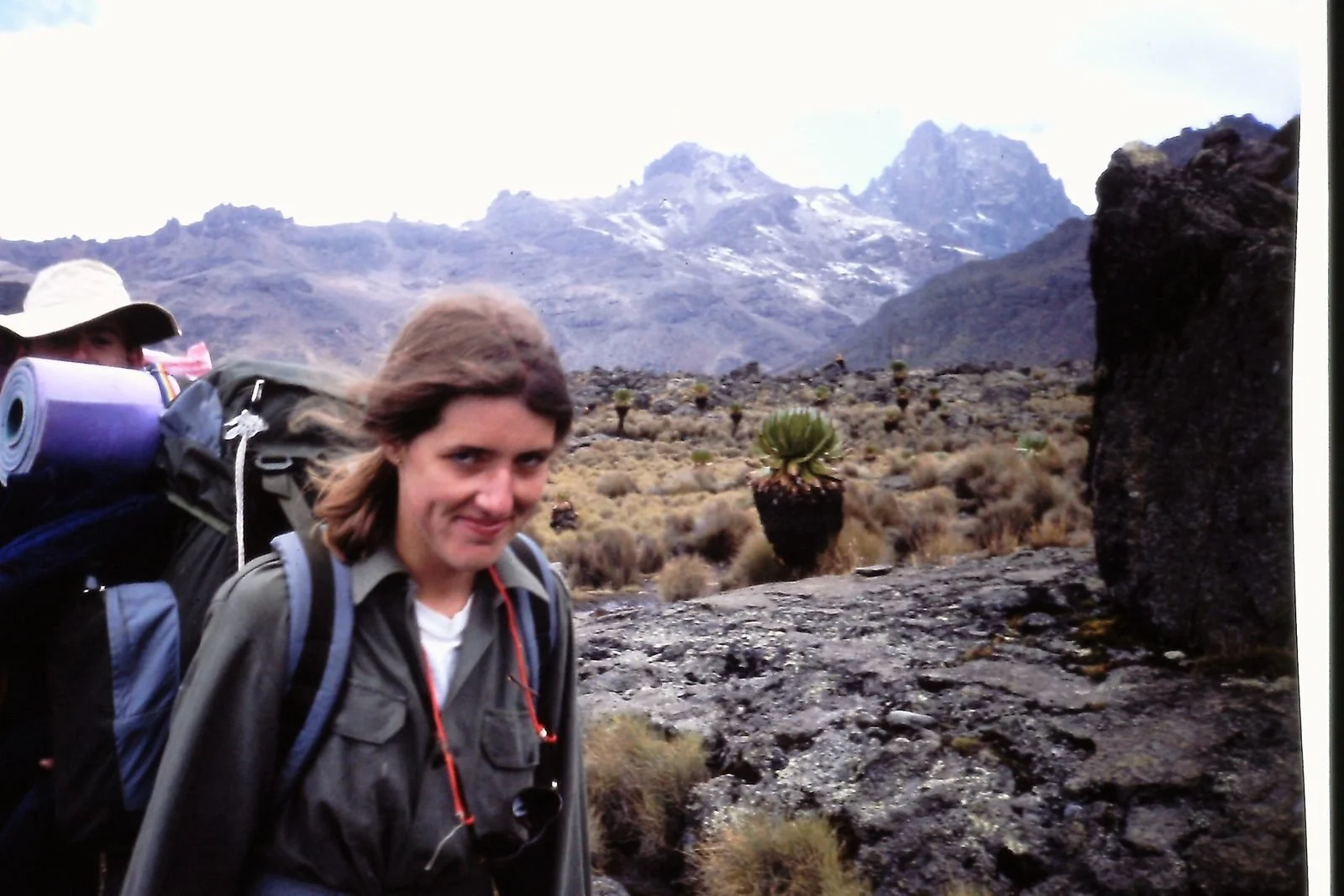
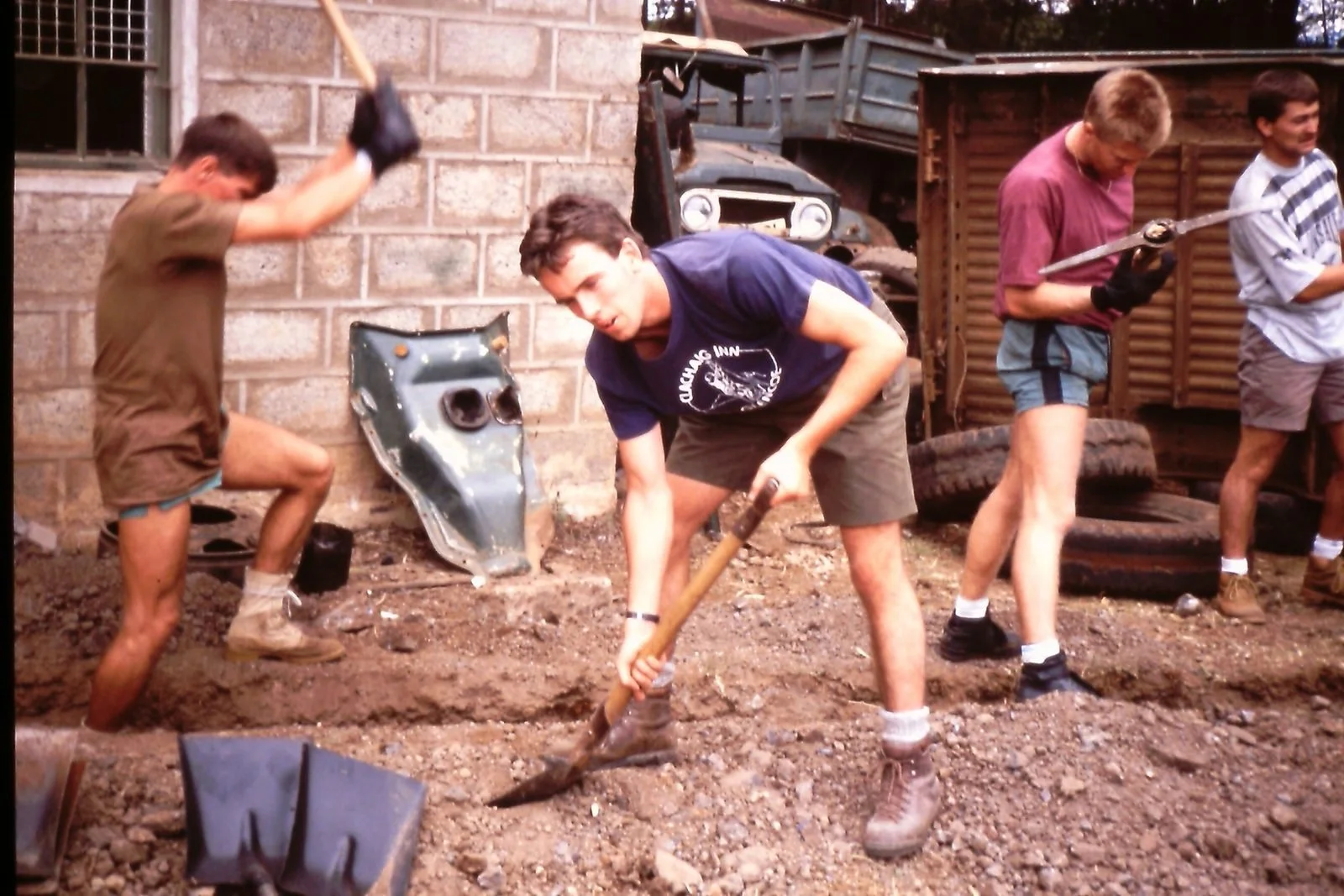
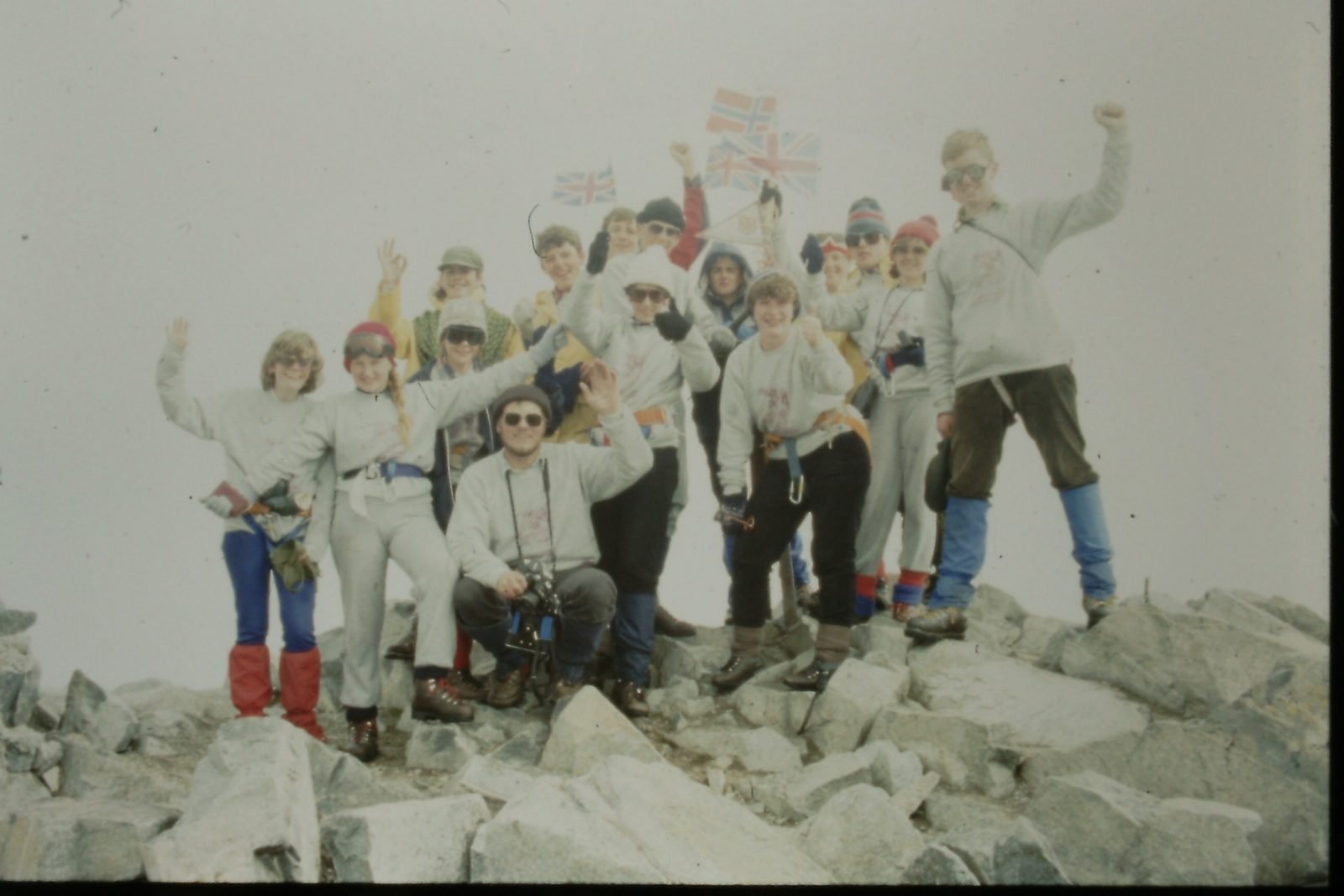
Windmill Youth Group members supported practical work at a school before undertaking a west-to-east traverse of Mount Kenya, reaching more than 5,000 metres.
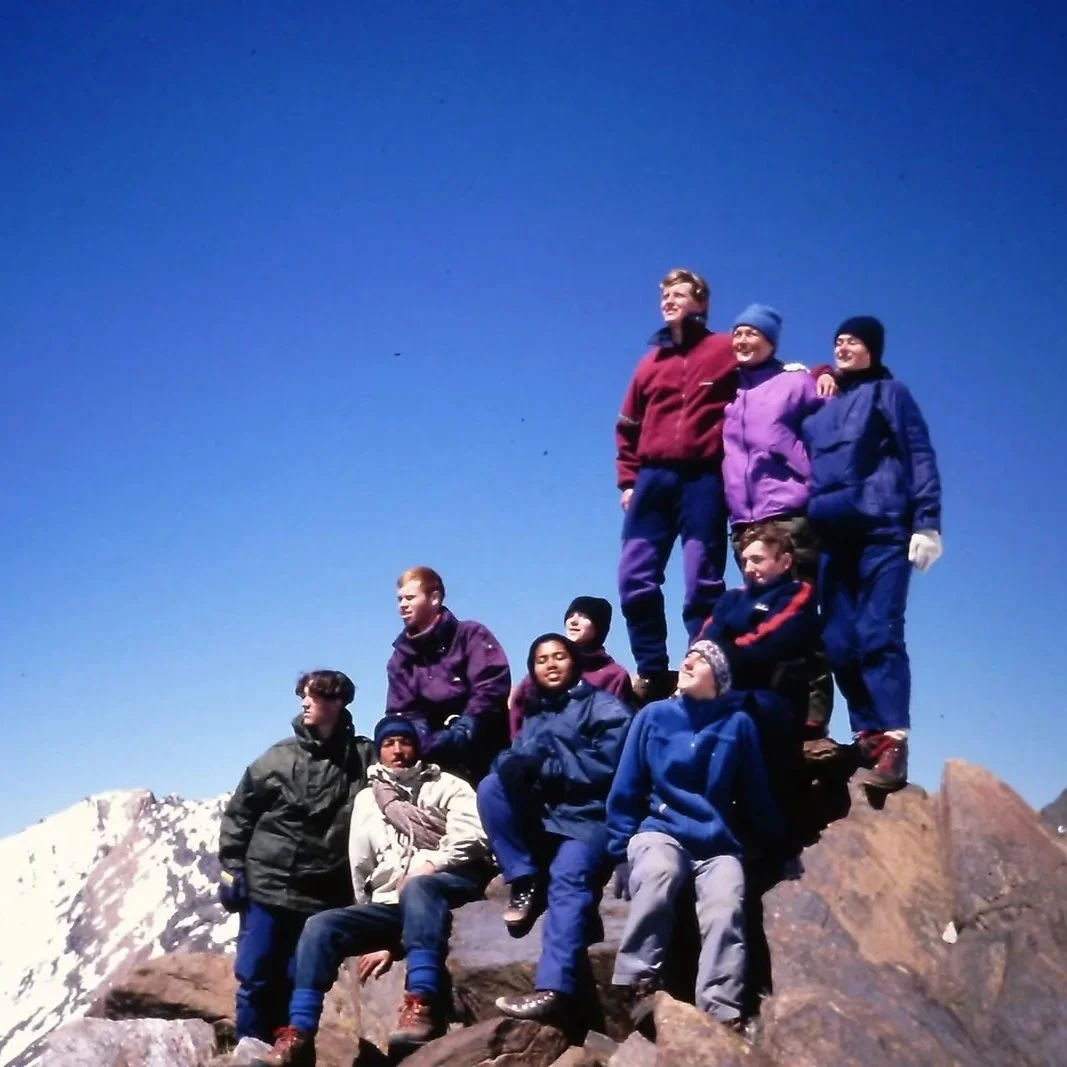
1996 - Morocco.
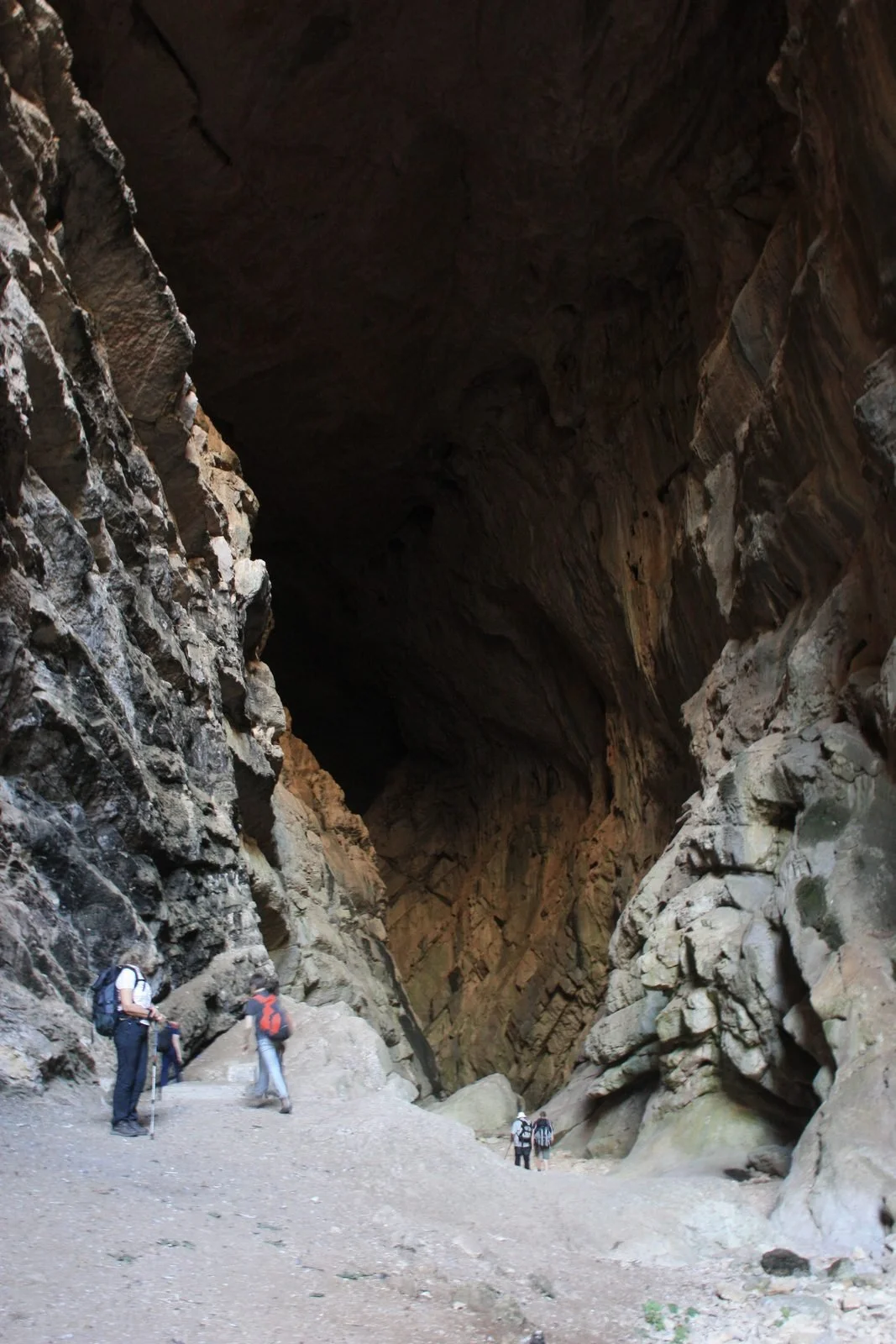
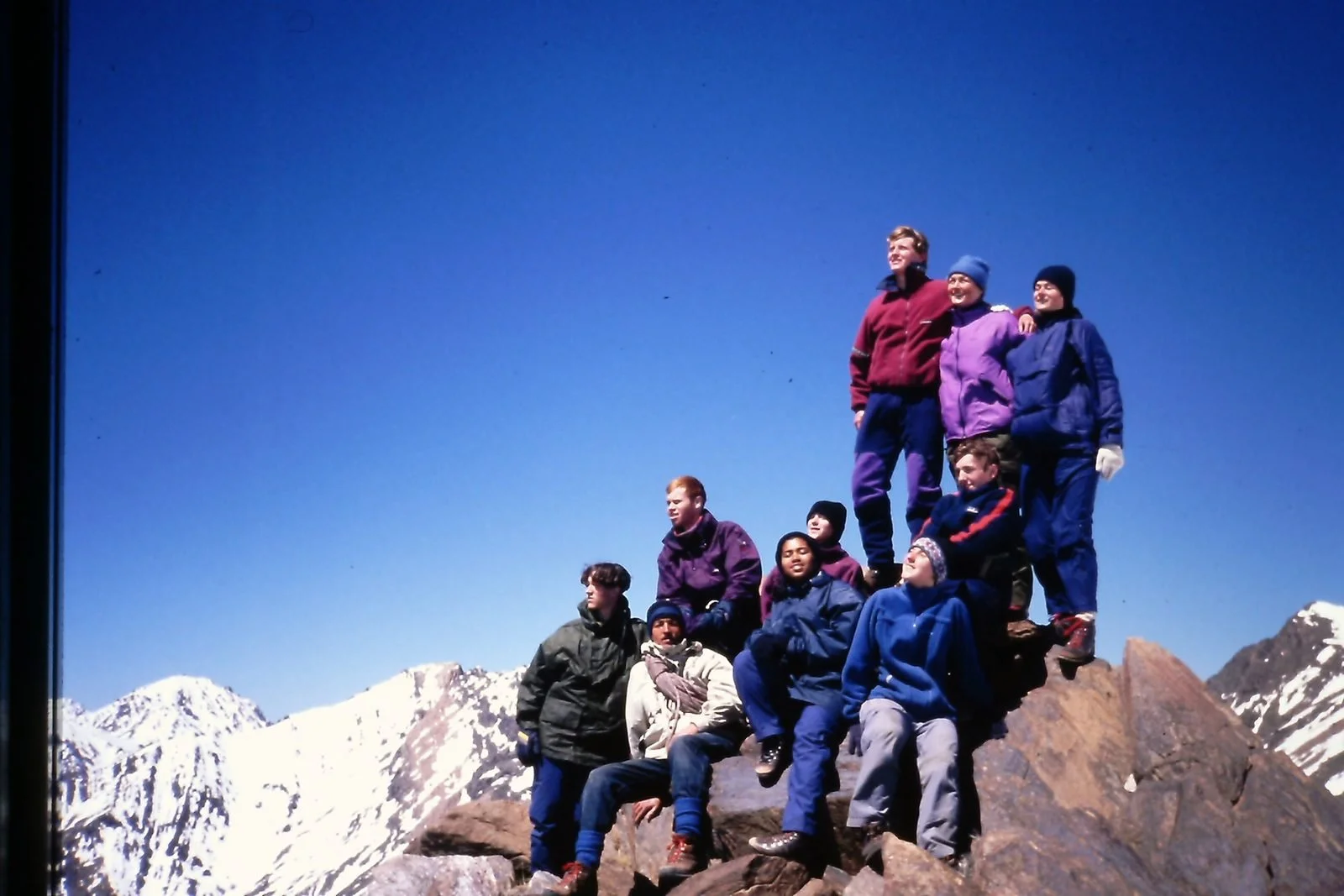
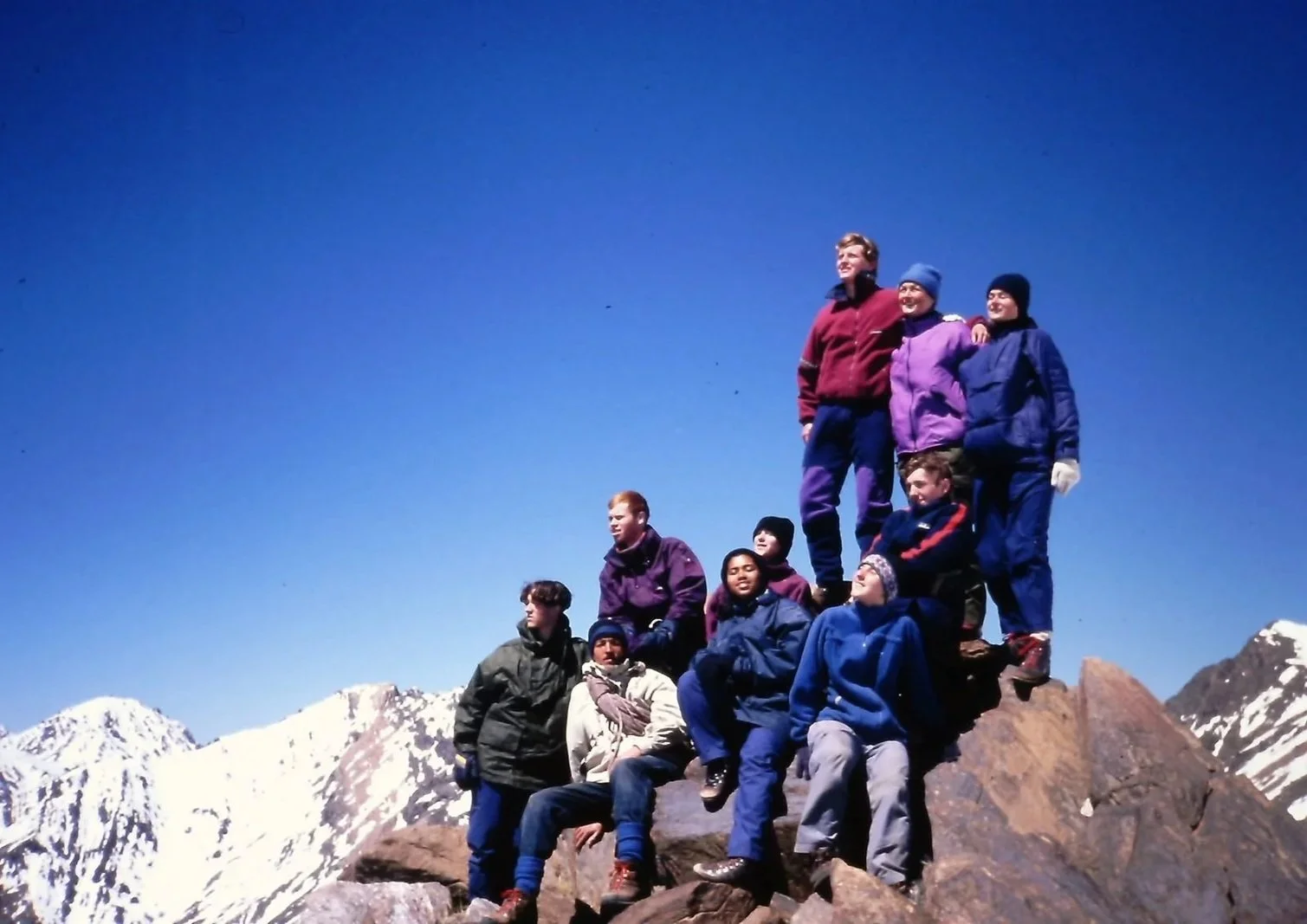
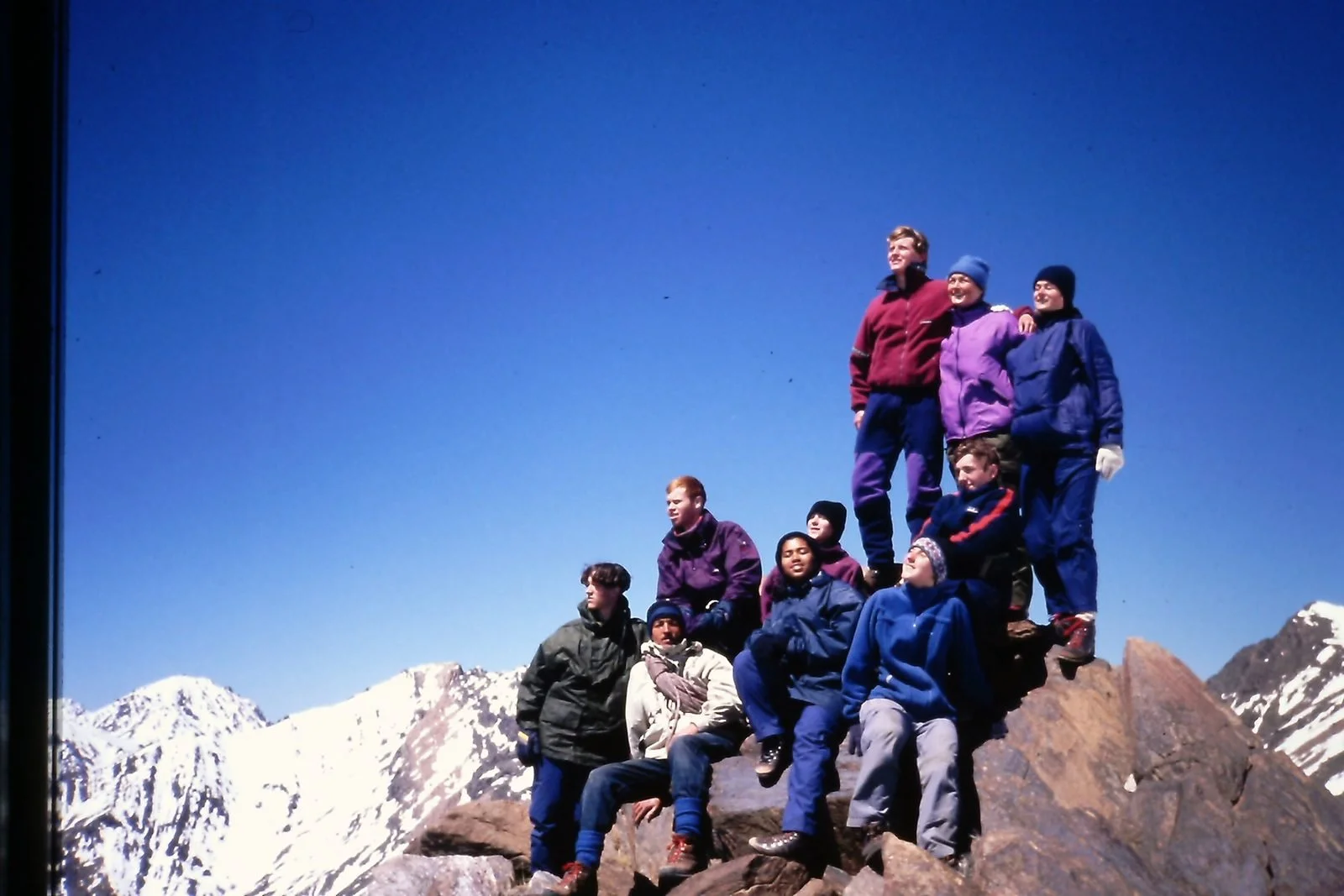
Teams travelled through the Atlas Mountains and climbed Toubkal, while supporting remote communities with educational materials.
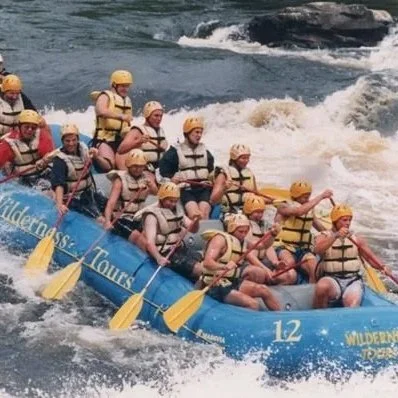
1999 - Canada.
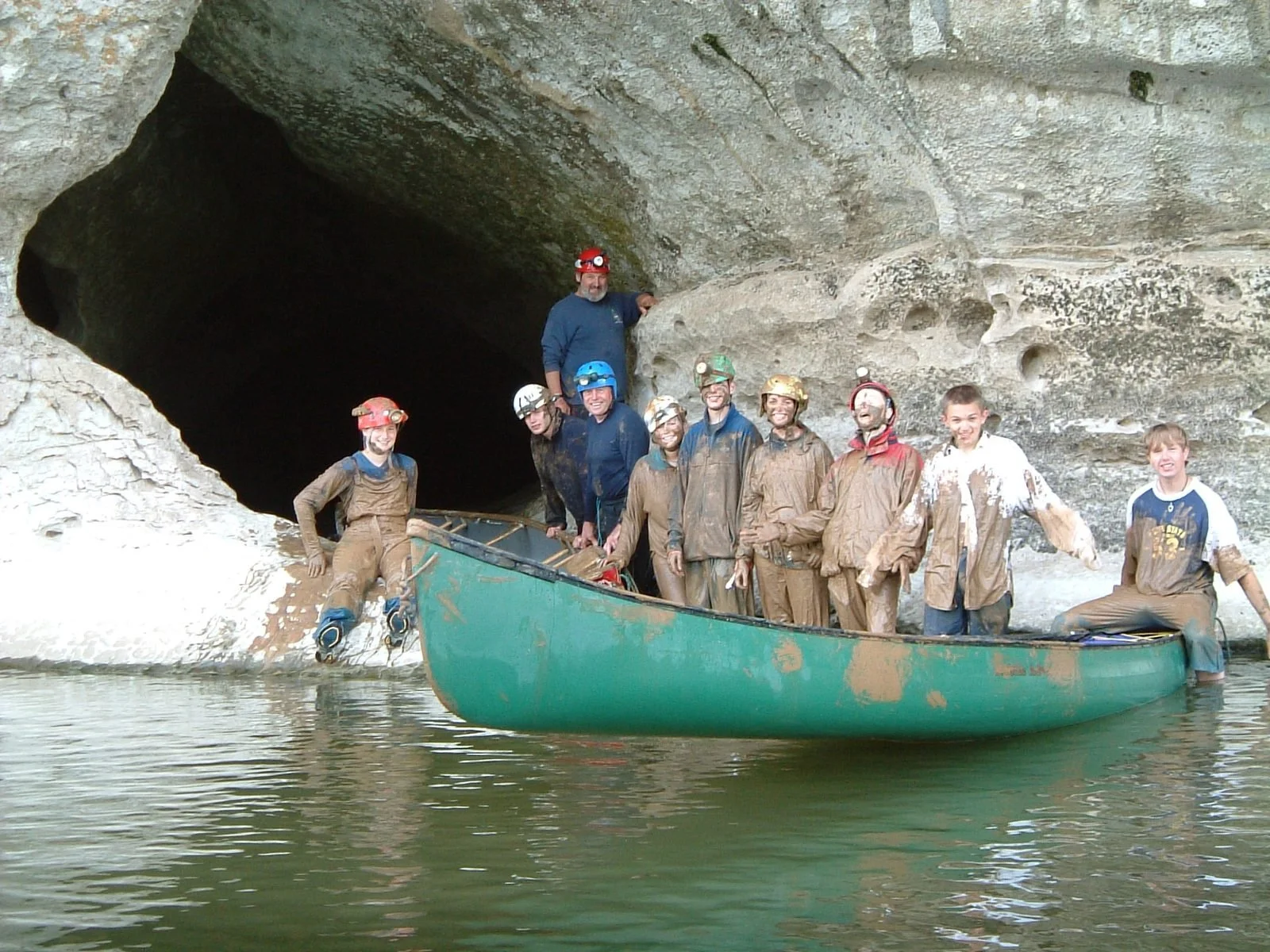
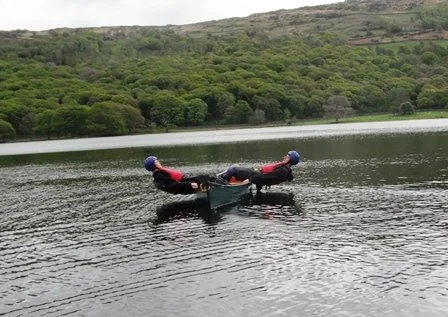
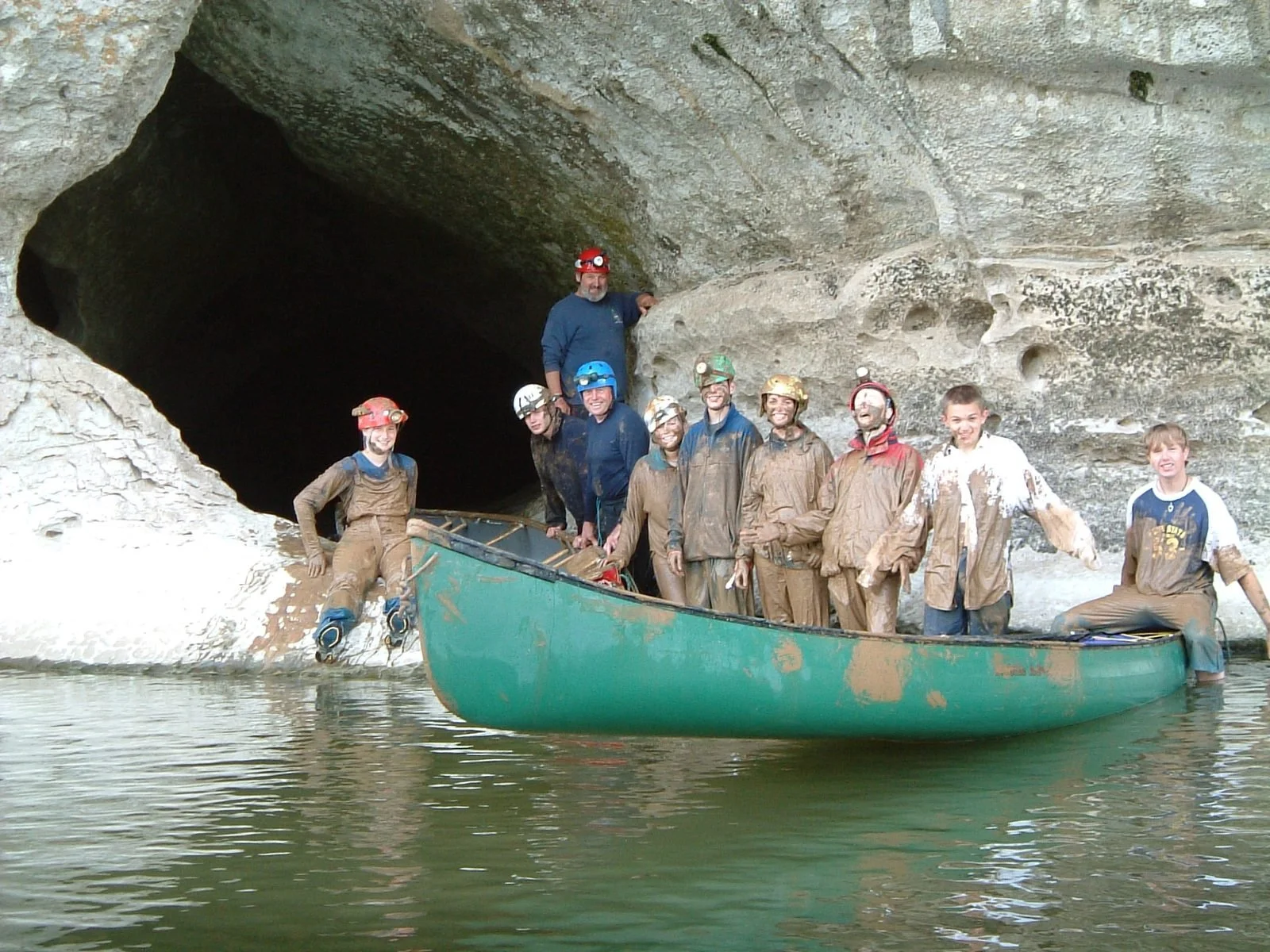
A five-week canoe expedition explored waterways in eastern Canada, including the Ottawa, Quebec, St Lawrence and Algonquin regions.

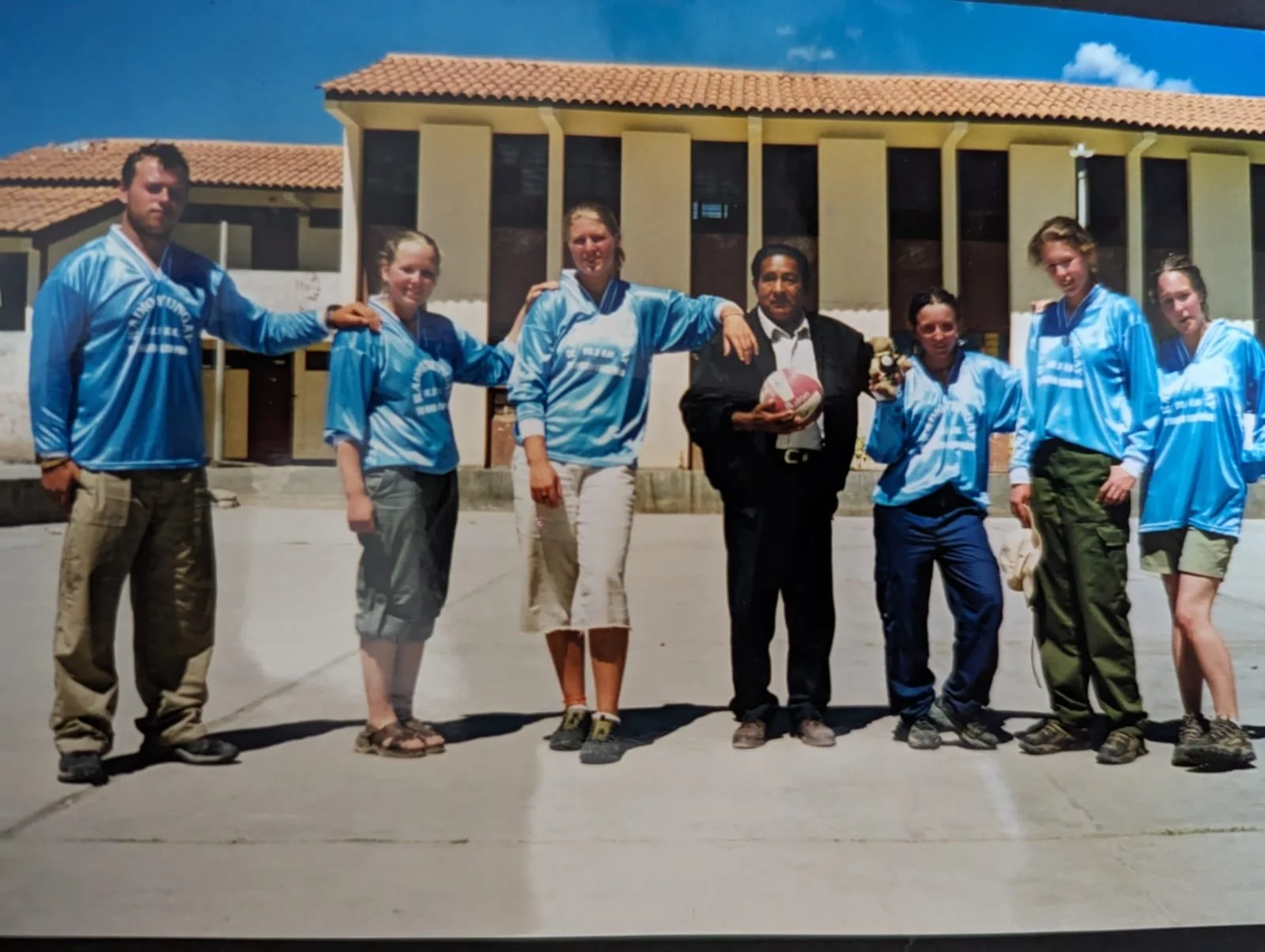
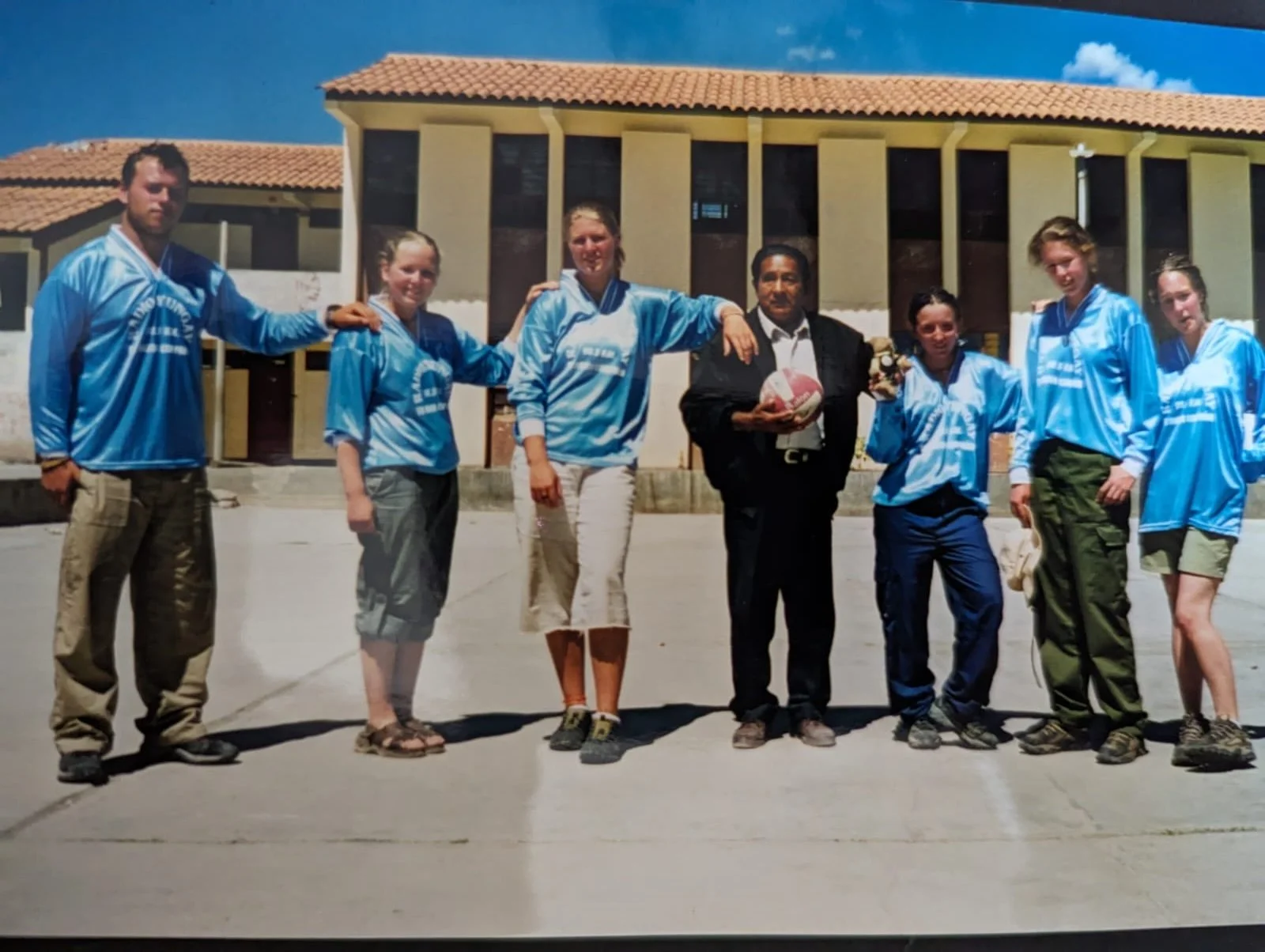
2002 - Peru.
After months of fundraising in Blackpool, the team travelled to the Andes and trekked in the Cordillera Huayhuash. An intended donation of educational equipment was lost after problems at customs - a difficult part of the expedition's history, but one worth recording factually.
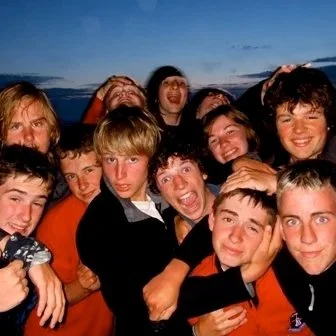
2008 - British Columbia.
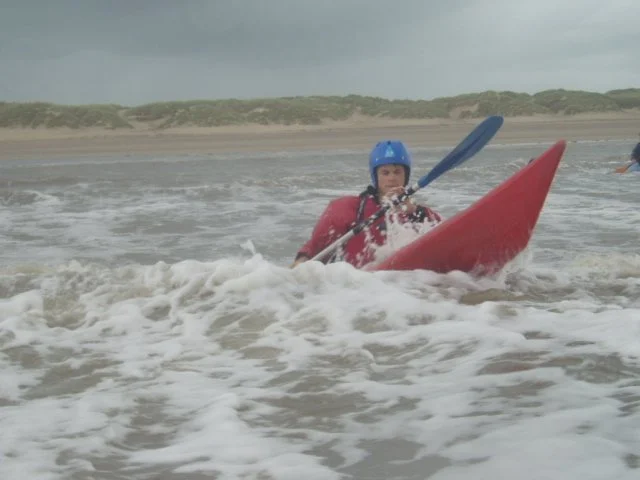
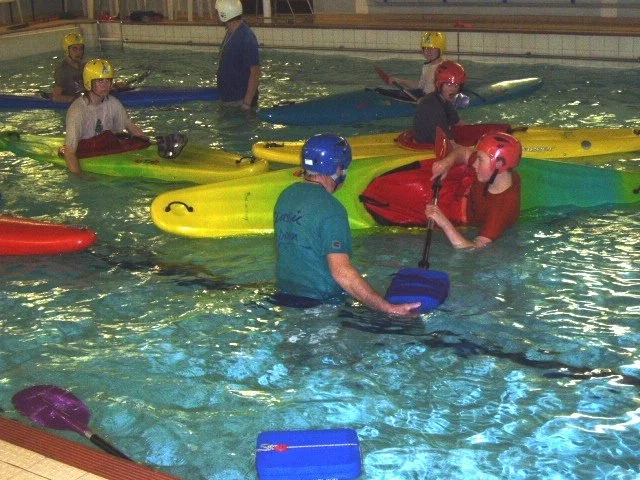
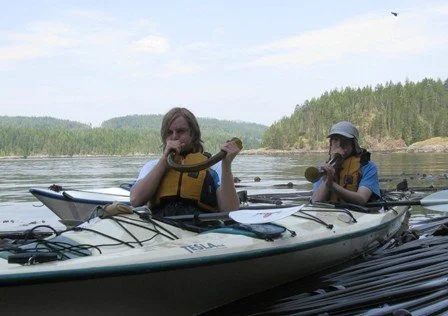
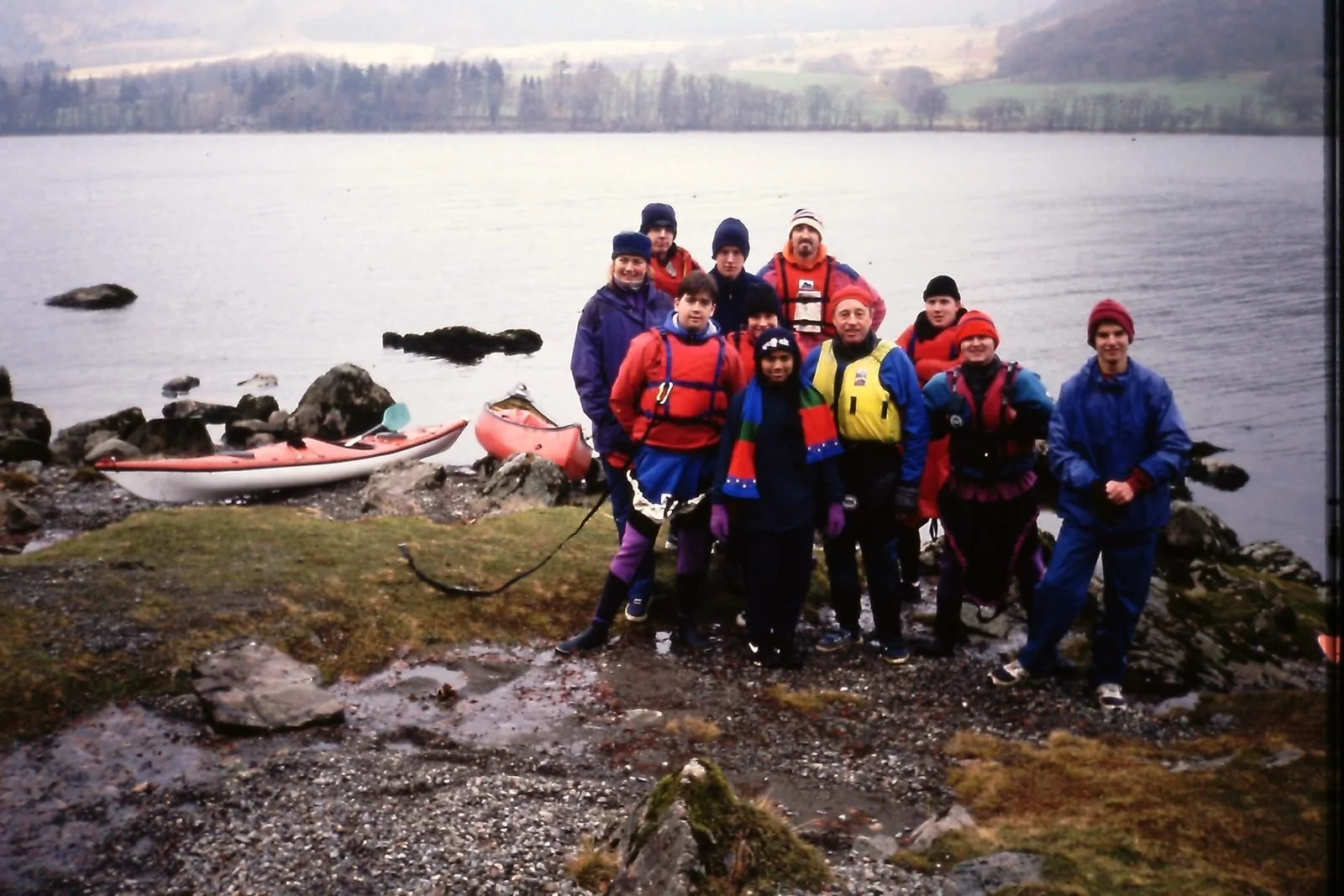
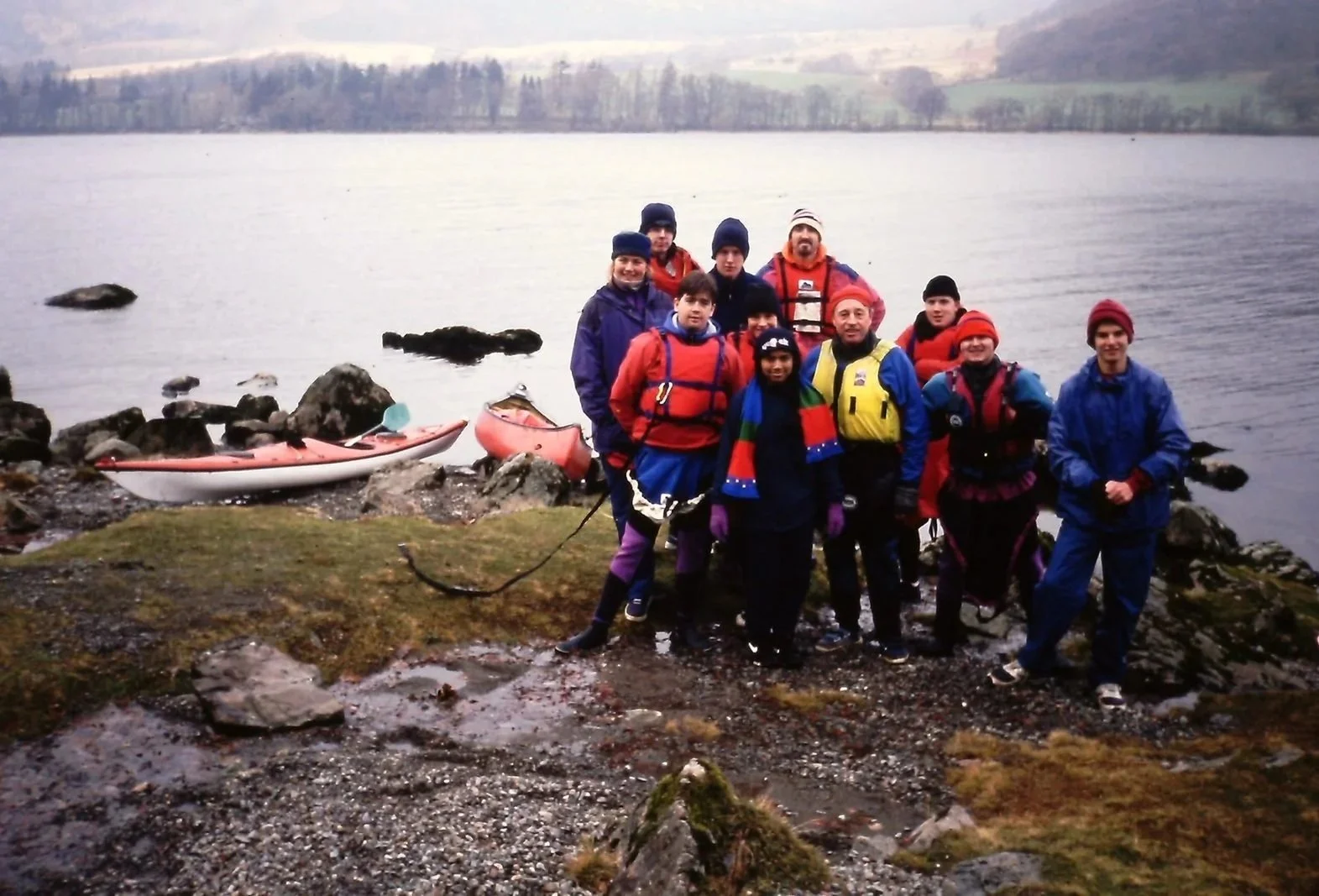
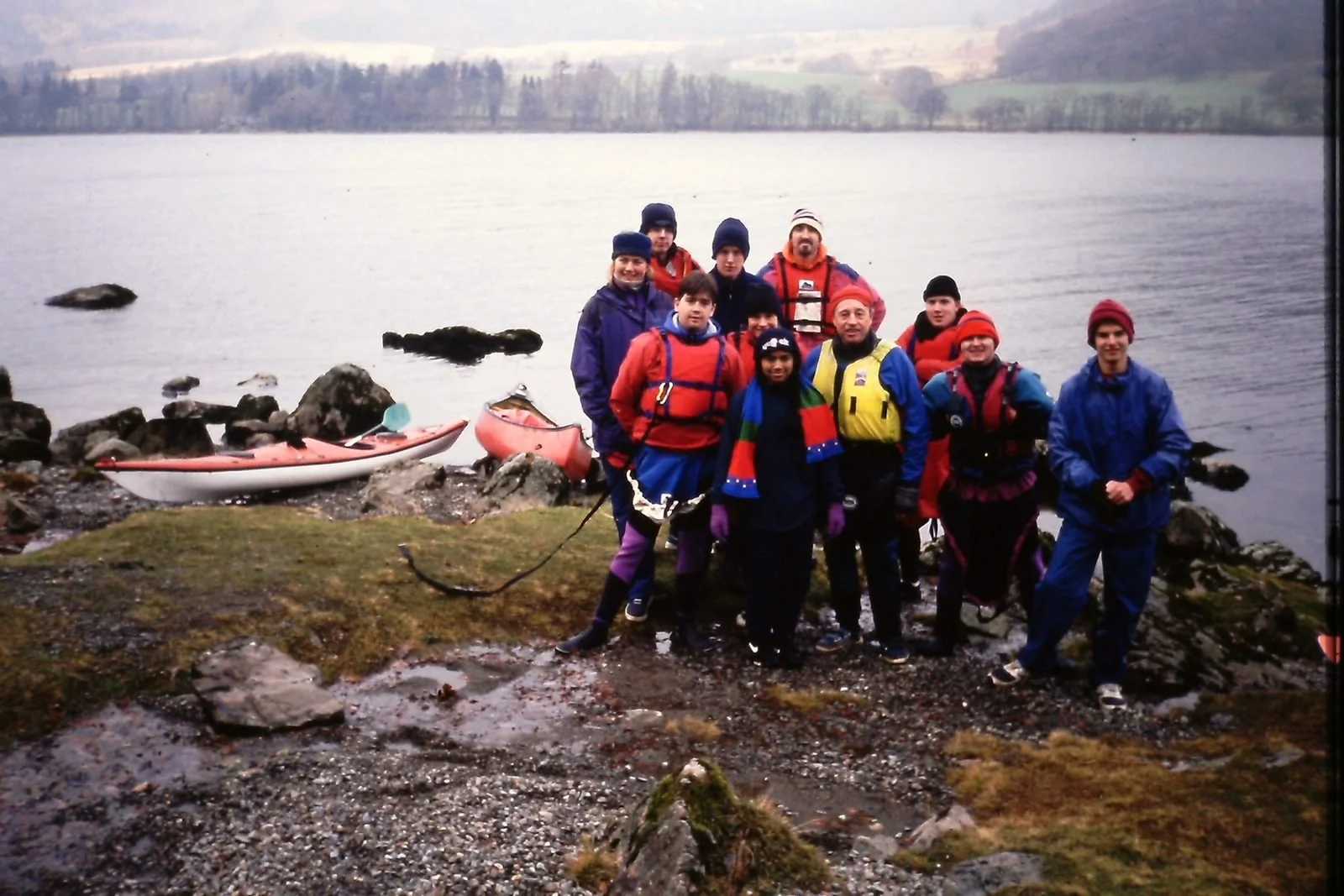
Sea kayaking and trail work on Vancouver Island formed part of a project involving local communities and the natural environment.
Practical service and the environment
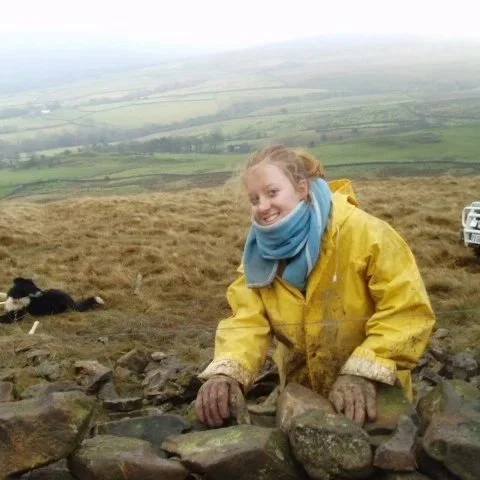
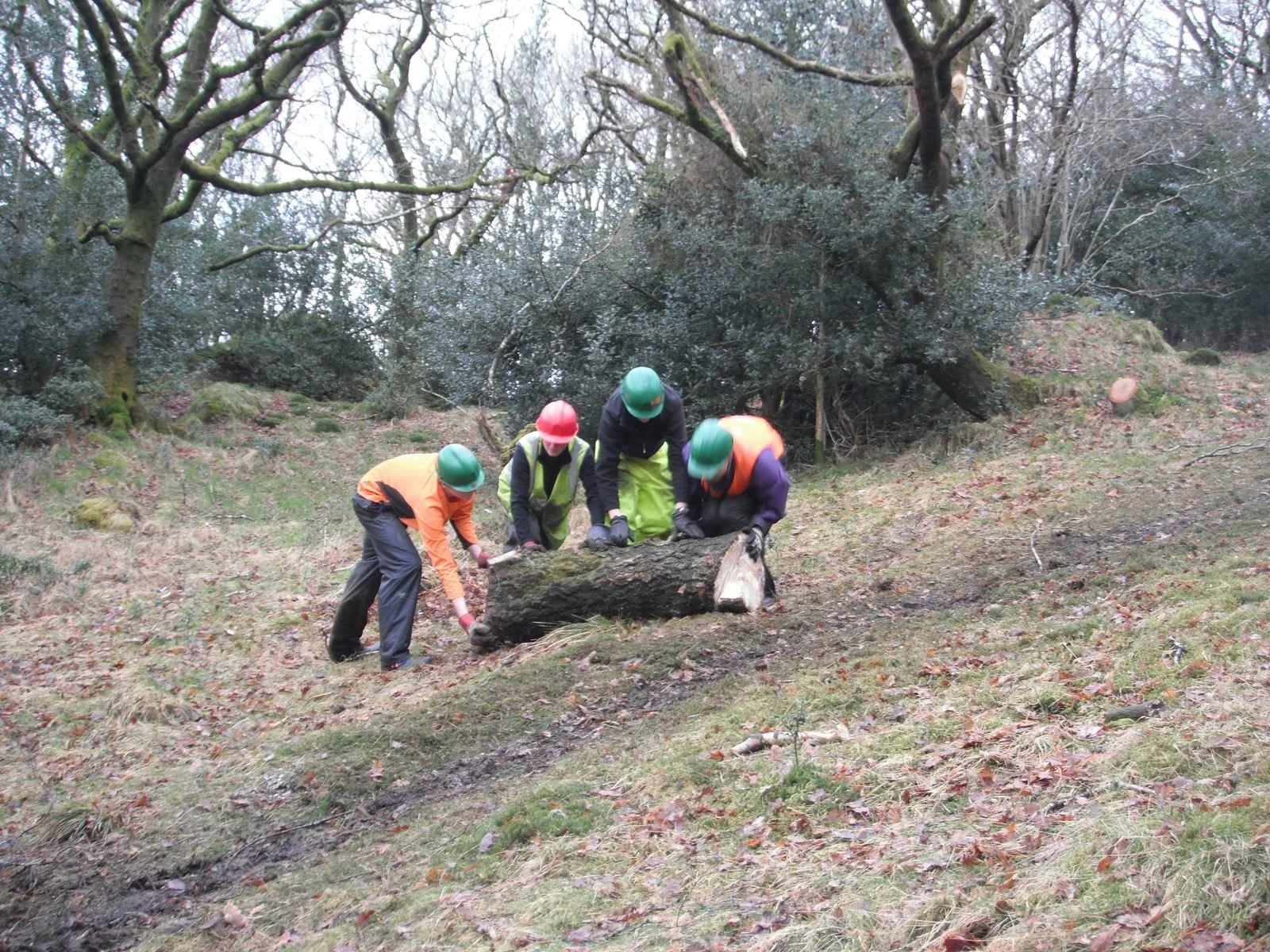
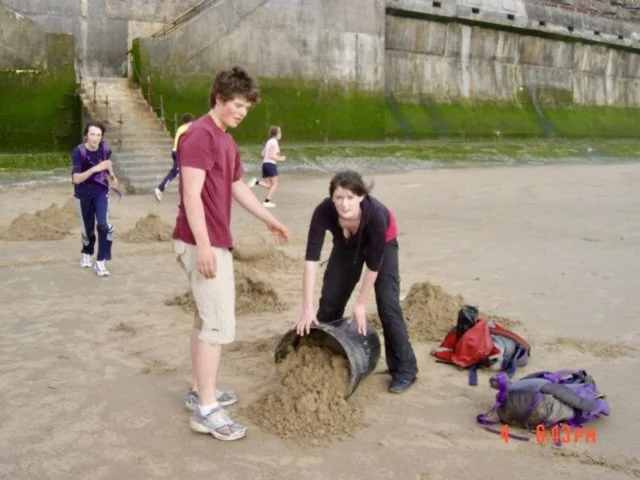
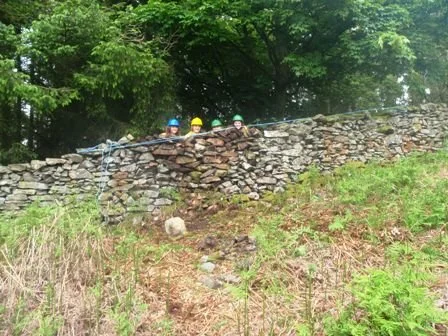
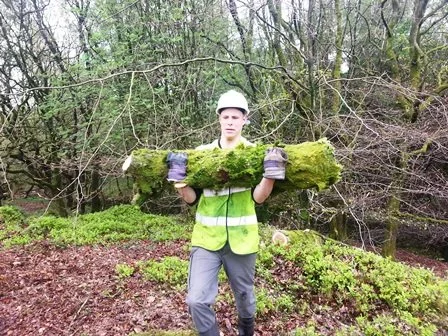
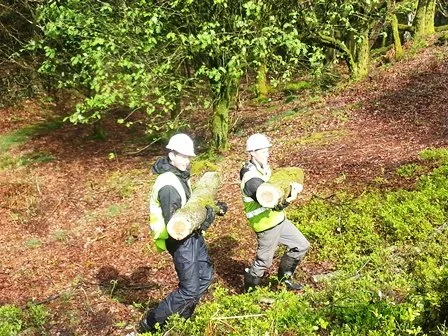
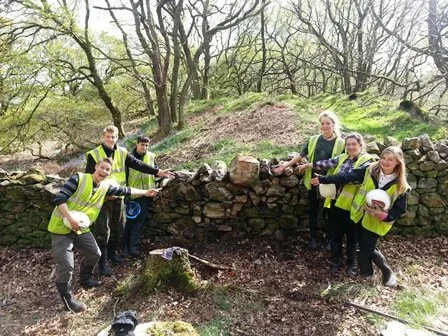
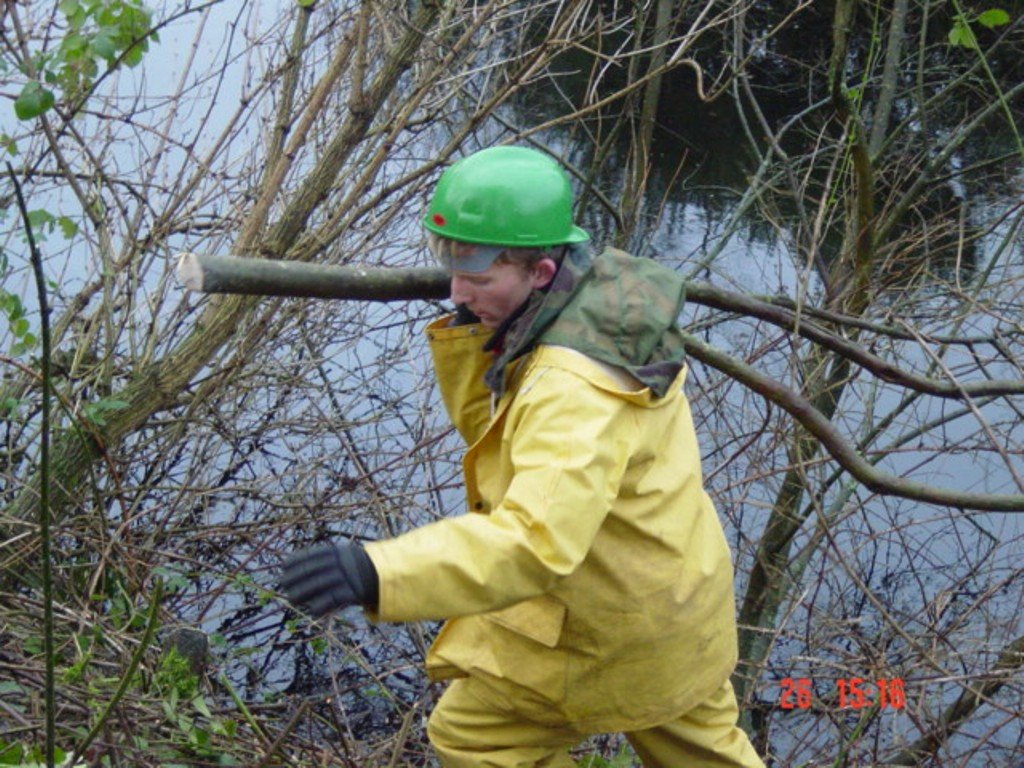
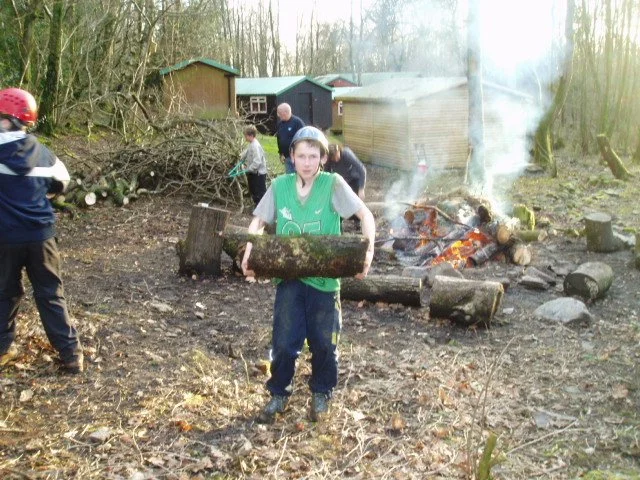
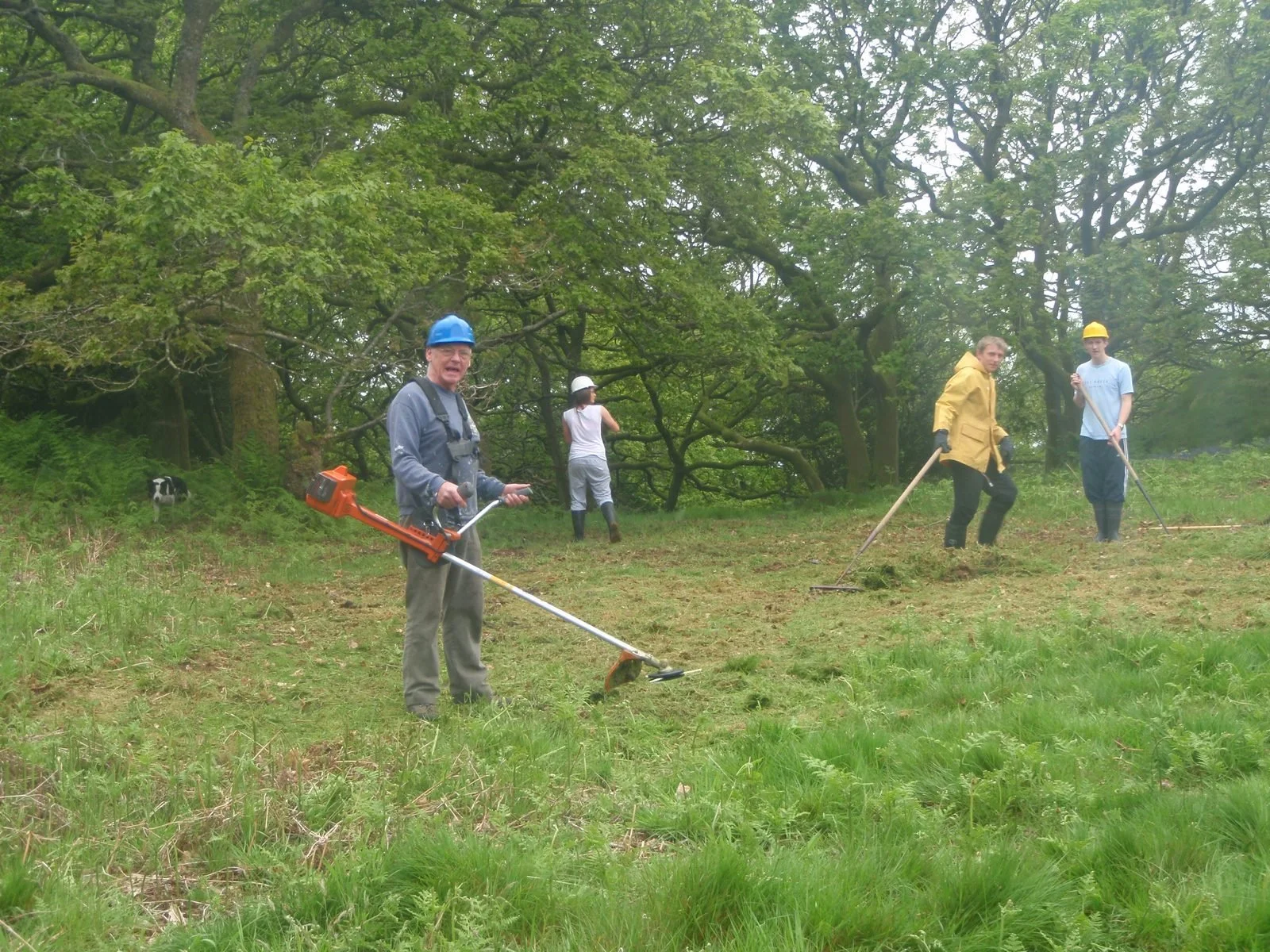
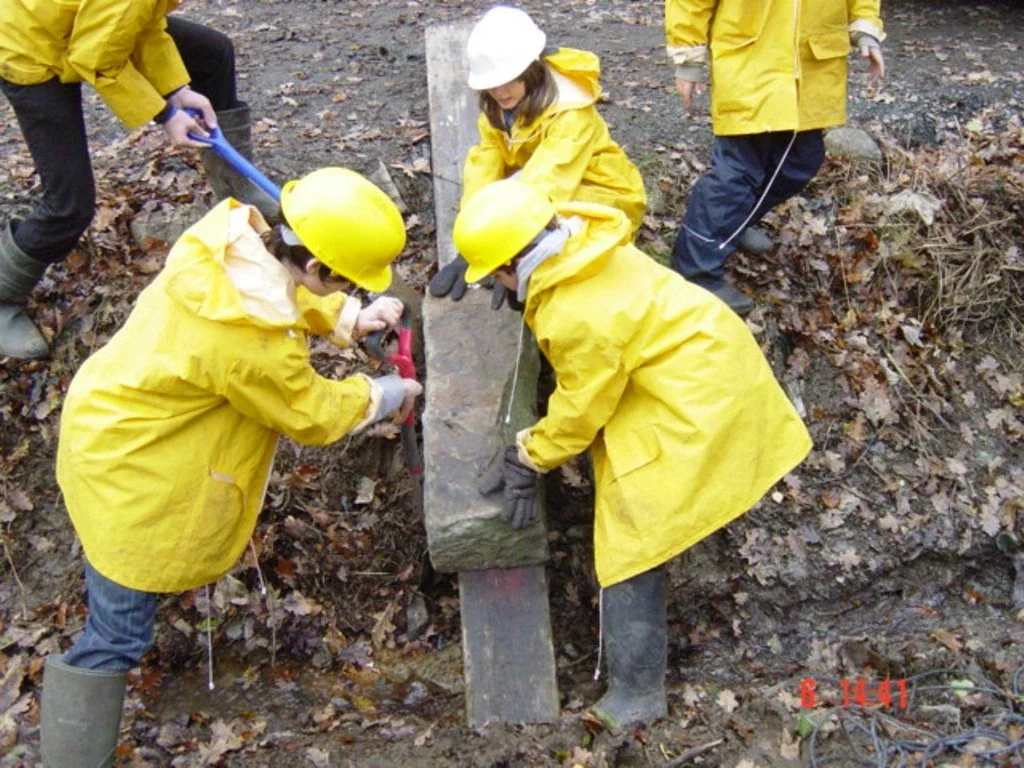
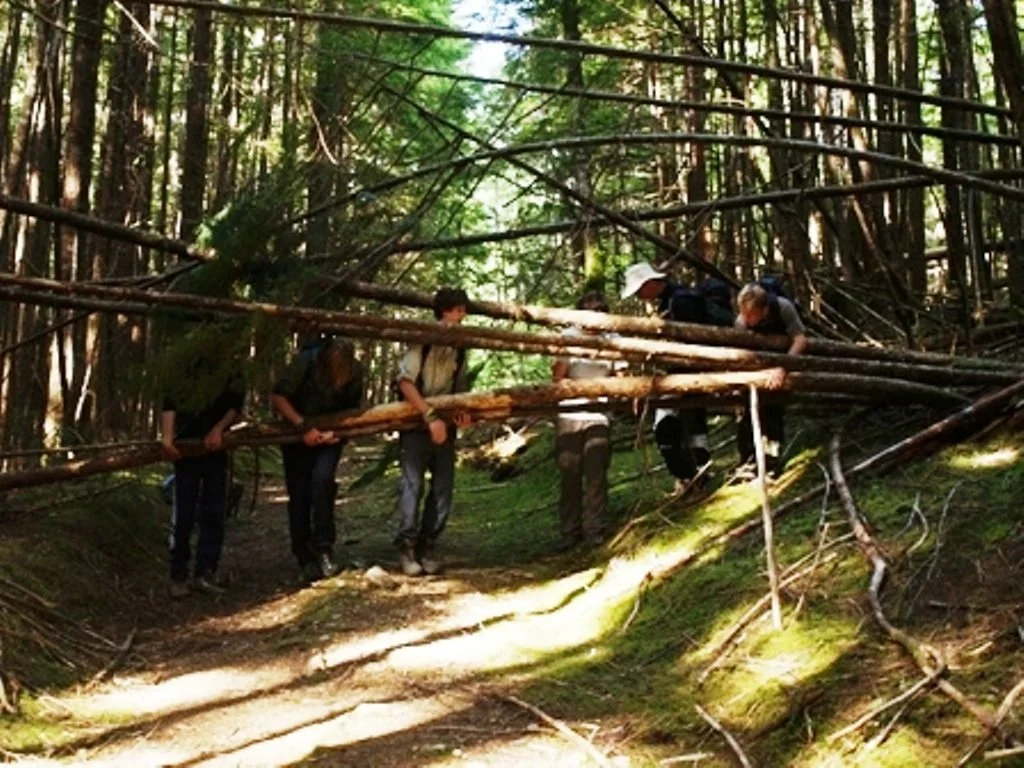
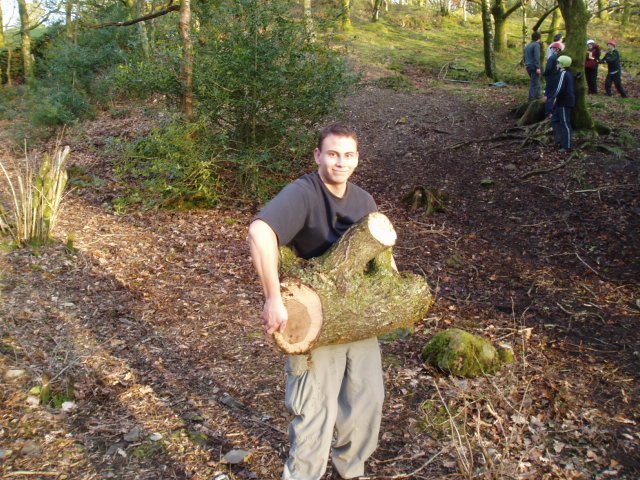
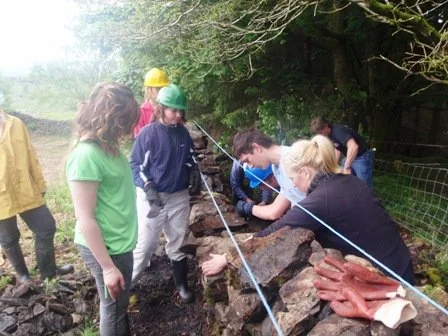
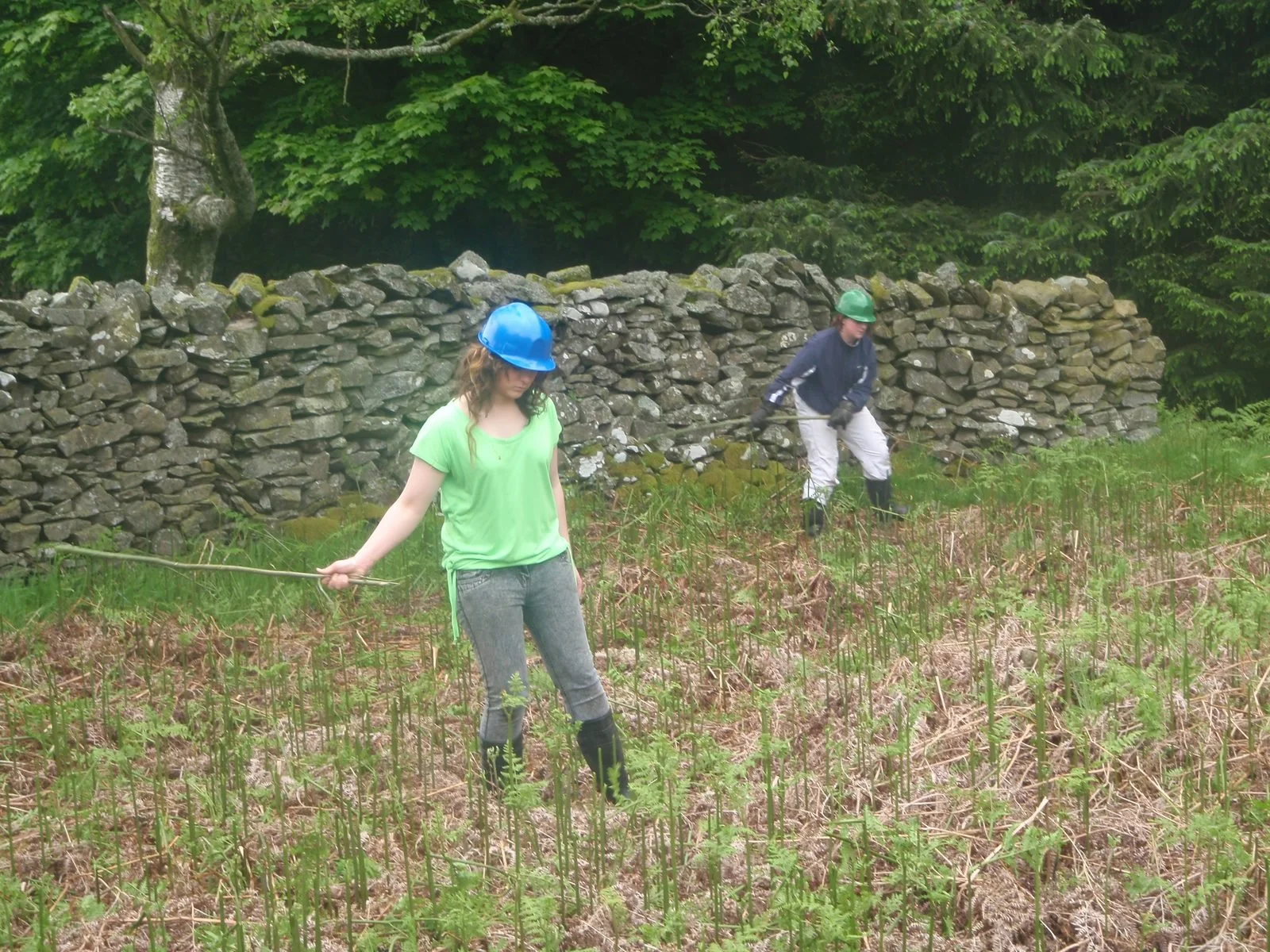
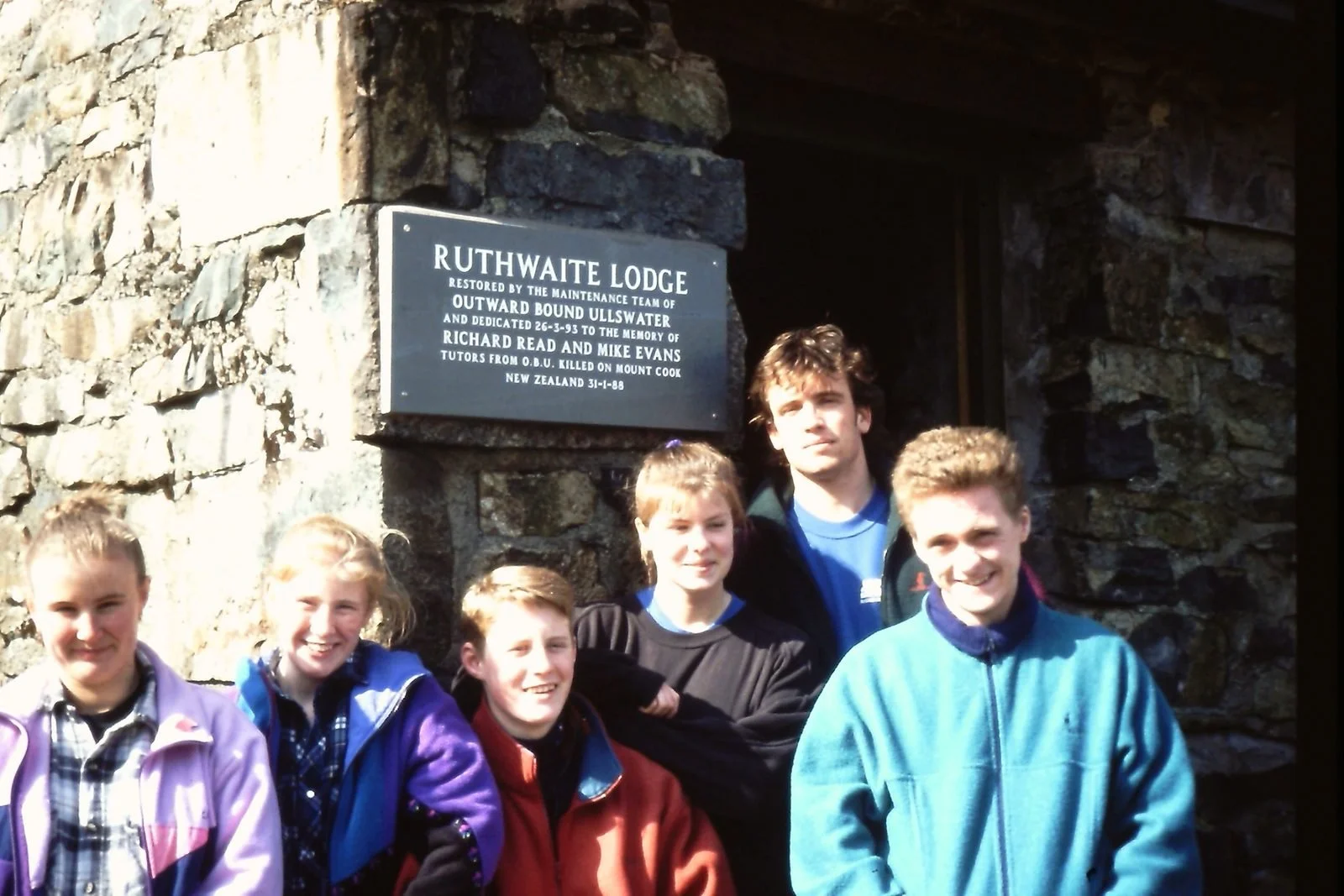
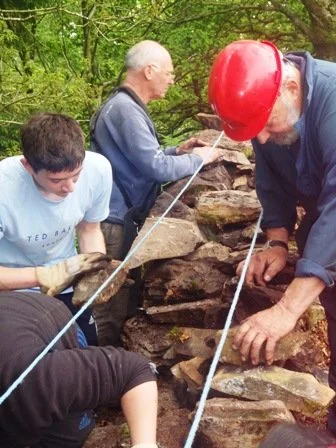
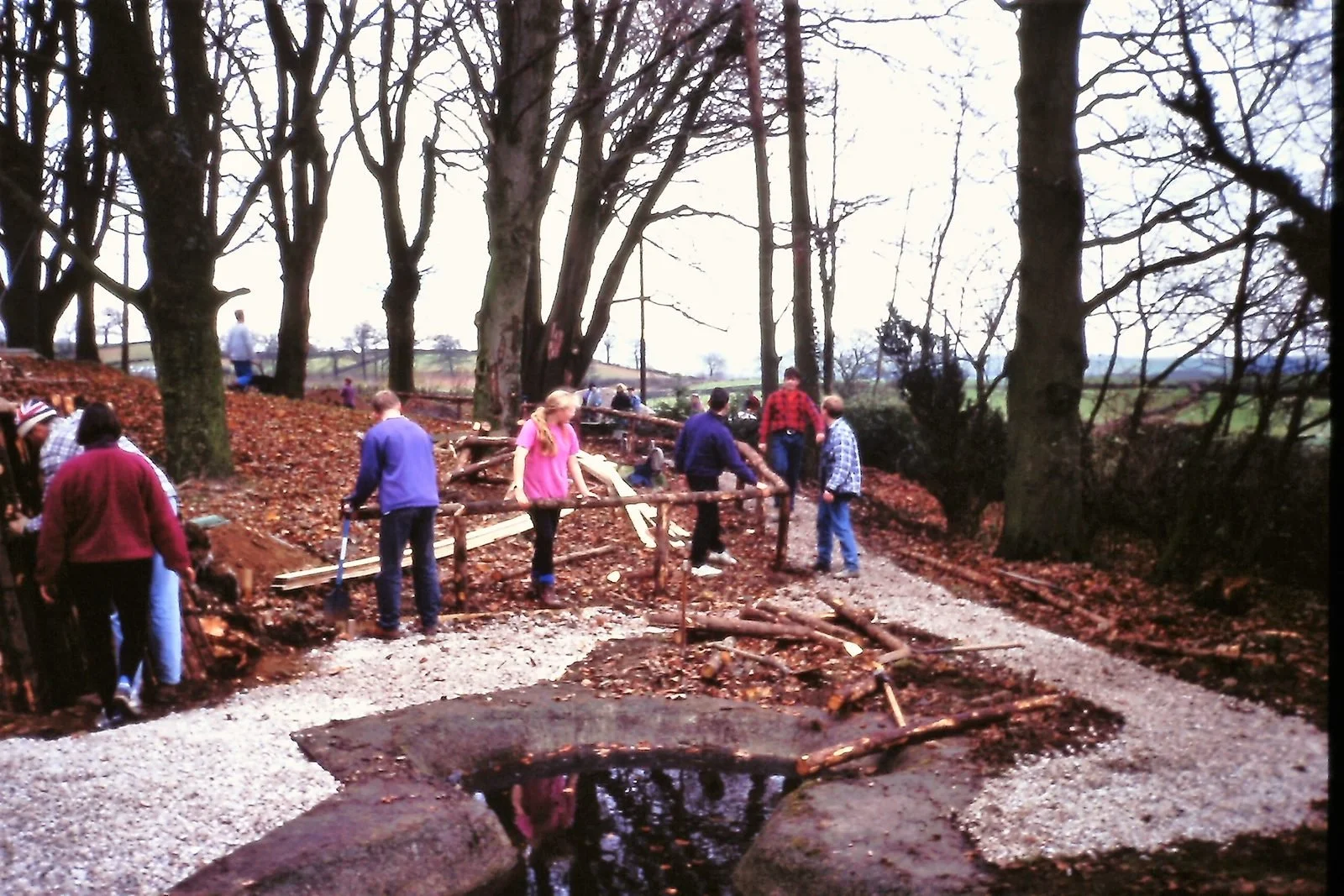
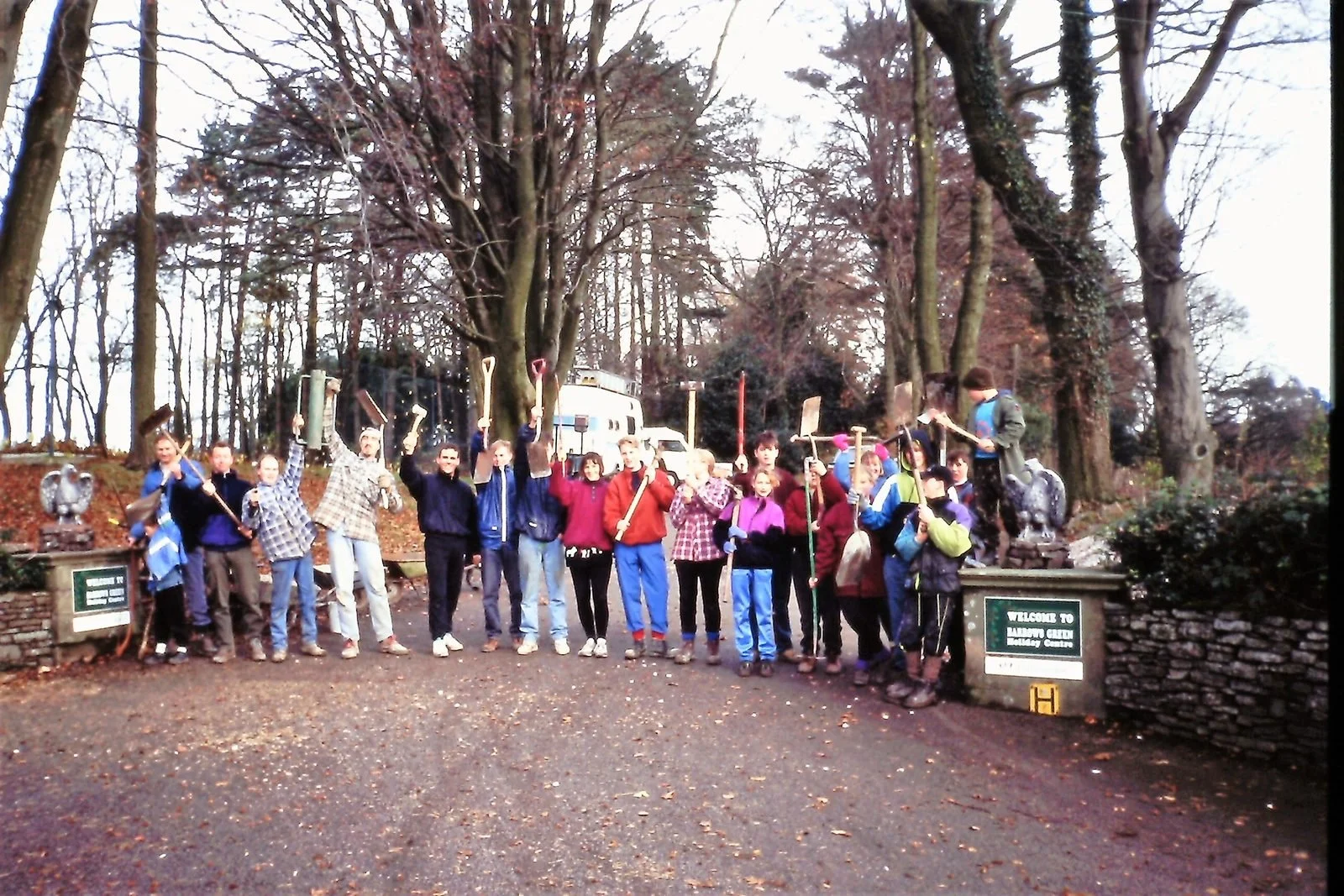
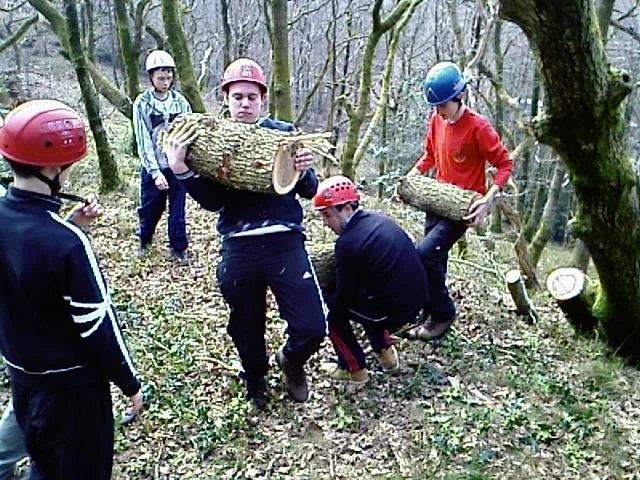
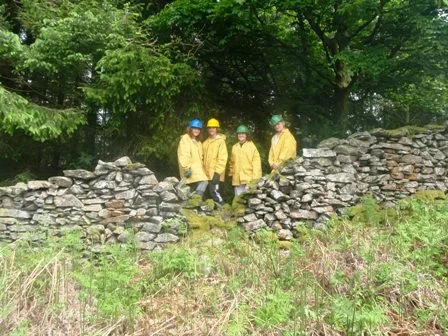
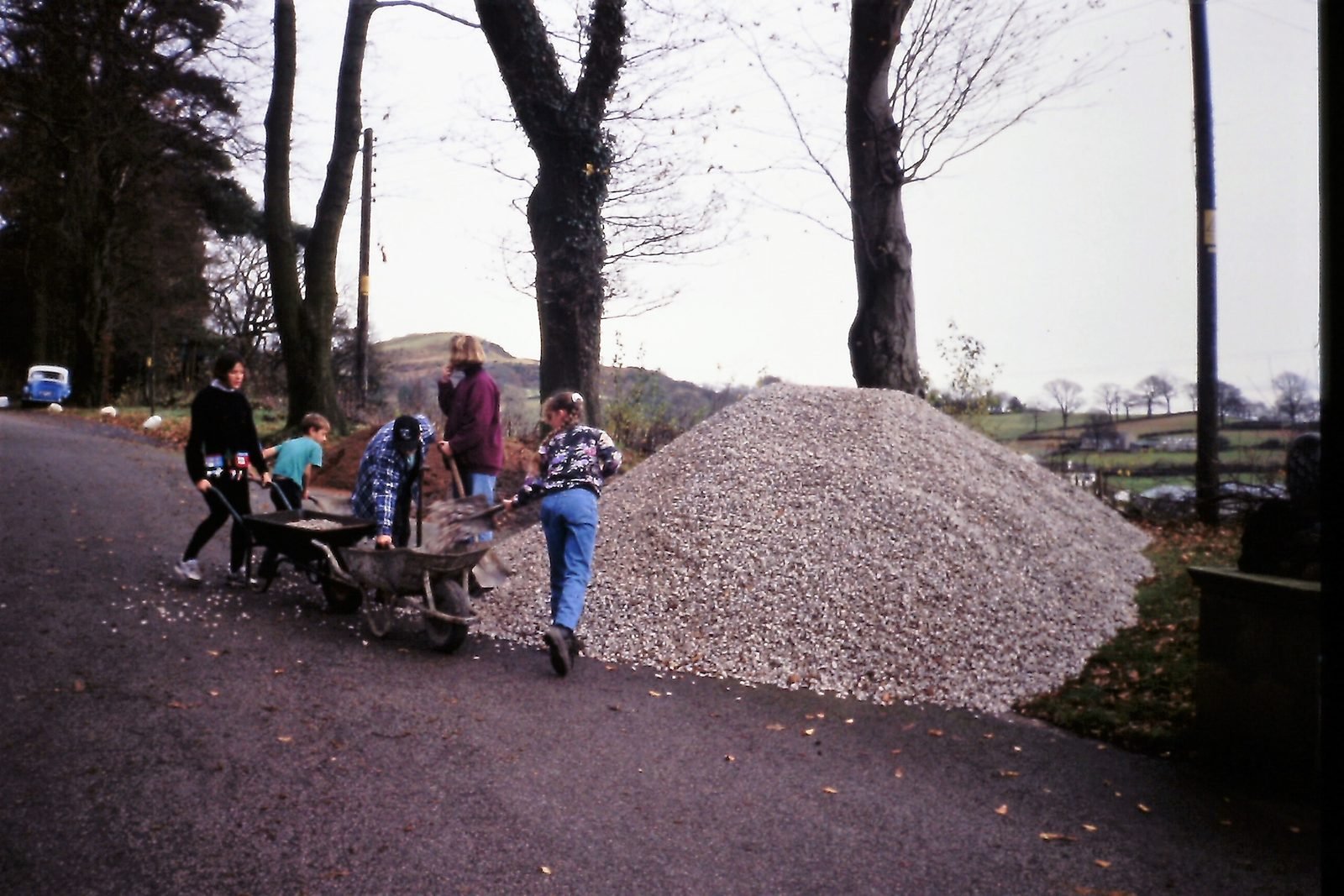
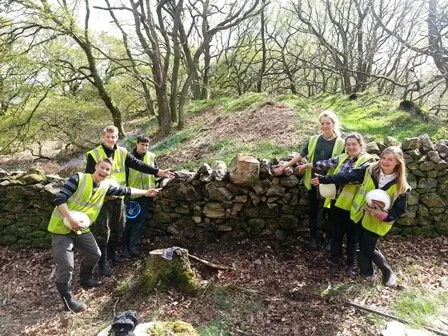
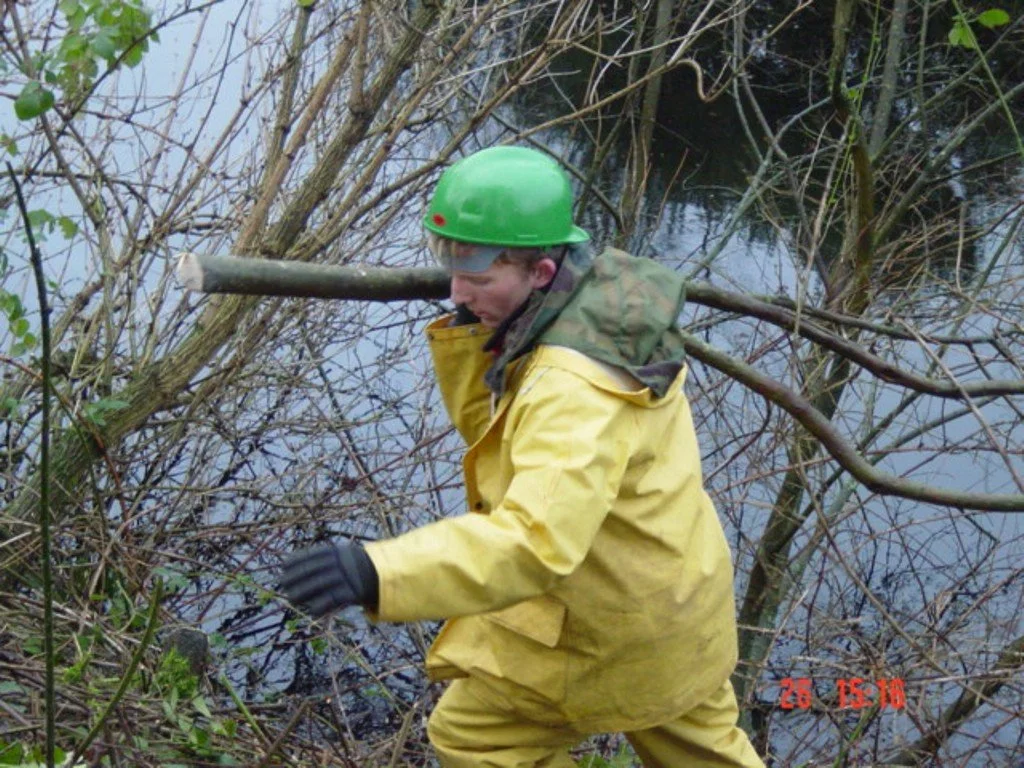
Windmill Youth Group's volunteering was often physical. Members repaired paths and dry-stone walls, cleared vegetation, worked on wildlife projects and helped create better access to outdoor spaces.
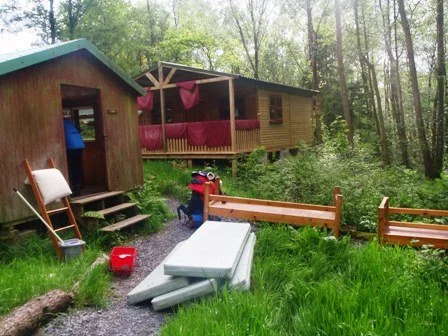
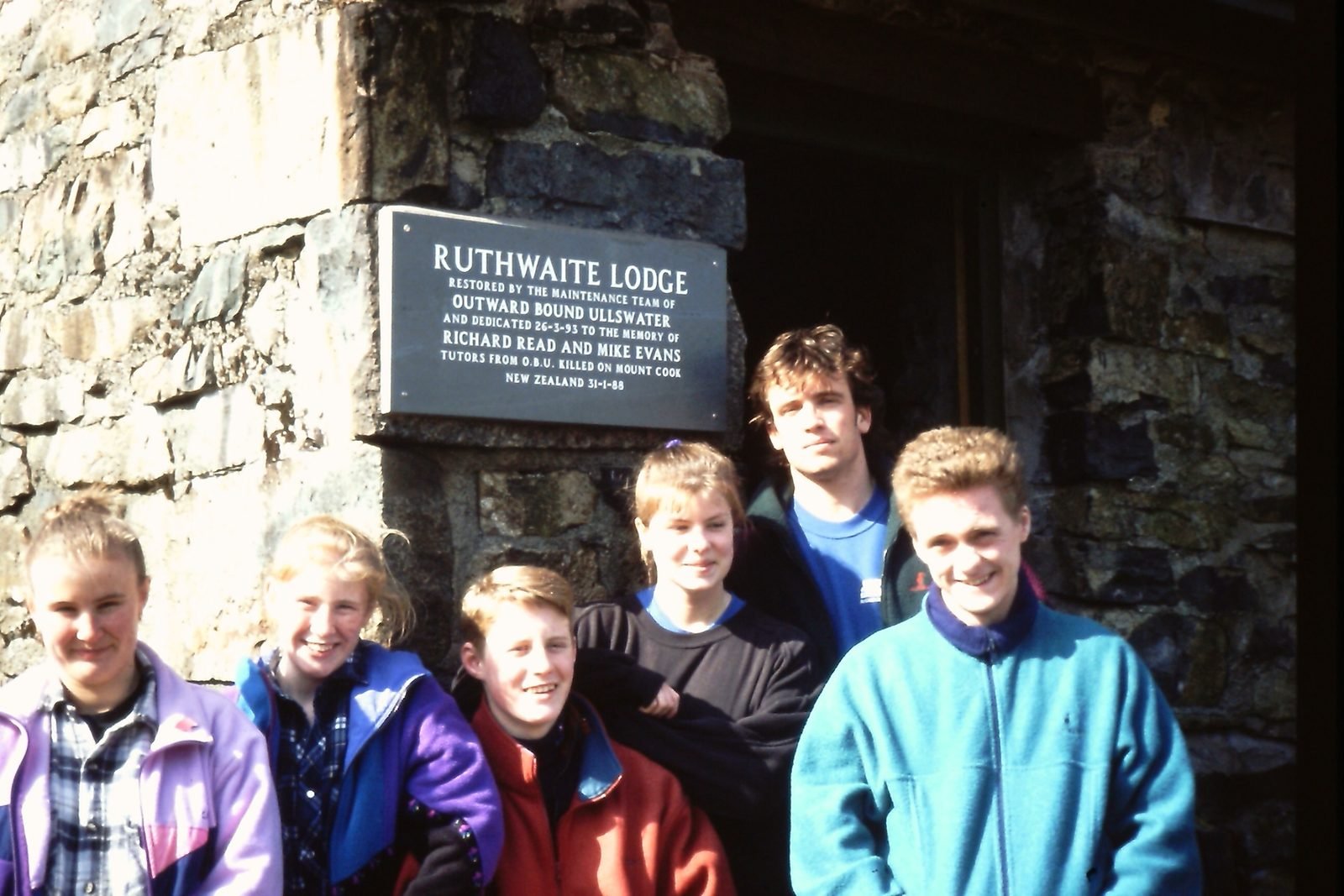
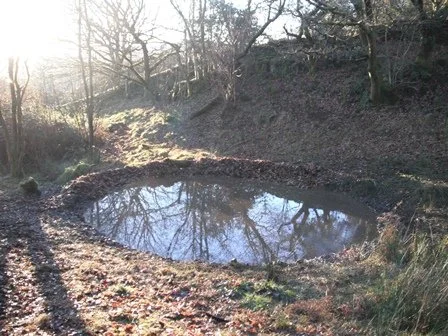
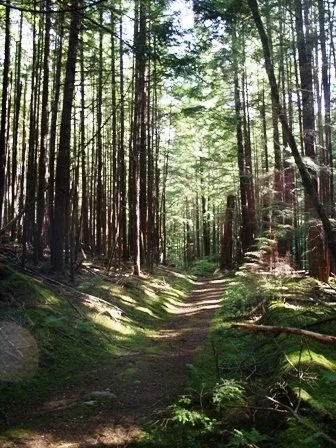
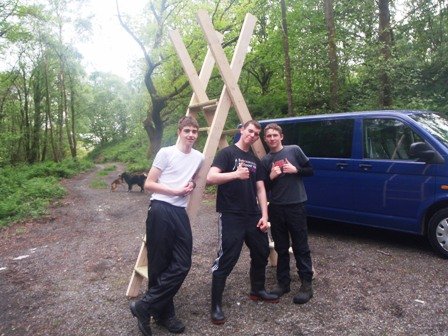
From 2006, the group became heavily involved at Snows Heights, a woodland and youth centre in South Cumbria. Over more than a decade, Windmill Youth Group members and volunteers put substantial time into woodland management, drainage, paths, walls, ponds, access and other practical improvements.
After leaving Snows Heights, the group took on local environmental work in Blackpool, helping keep around ten kilometres of public paths accessible and carrying out maintenance around the De Vere area until the end of 2024.
People who shaped Windmill Youth Group
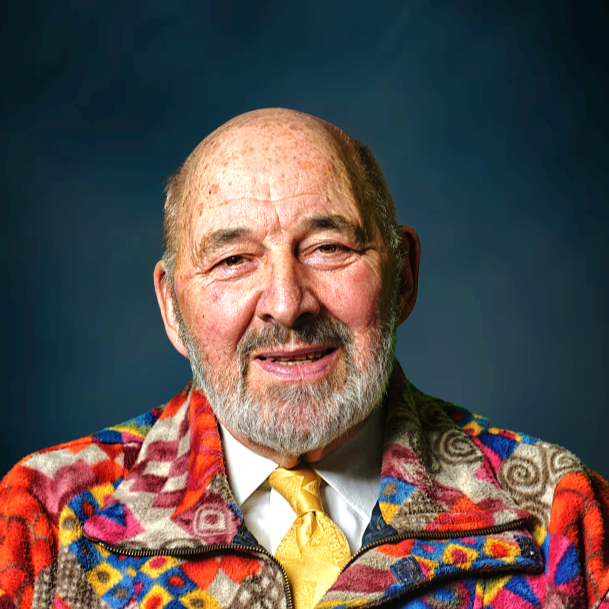
Stuart Sykes MBE
Stuart founded the Windmill Youth Group following work he began with young people while serving as a Lancashire police officer in 1978. His belief was simple but powerful: given challenge, responsibility and opportunity, young people could change the direction of their lives.
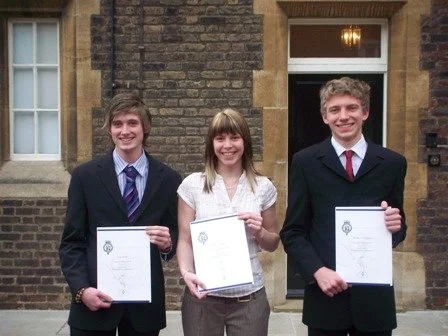
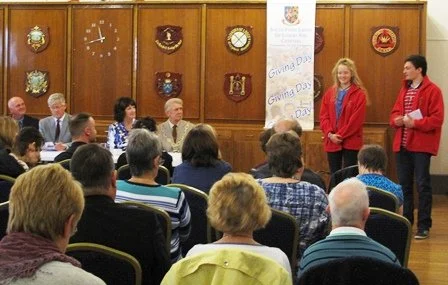
For over five decades, he has devoted himself to making that belief a reality. Thousands of young people from across Blackpool and the Fylde Coast have been challenged, supported and encouraged through the Duke of Edinburgh’s Award and the outdoors, regardless of their background or circumstances. His contribution to young people was recognised with an MBE in 2002. Today, Stuart remains closely involved with the charity he created and the selection of its next generation.
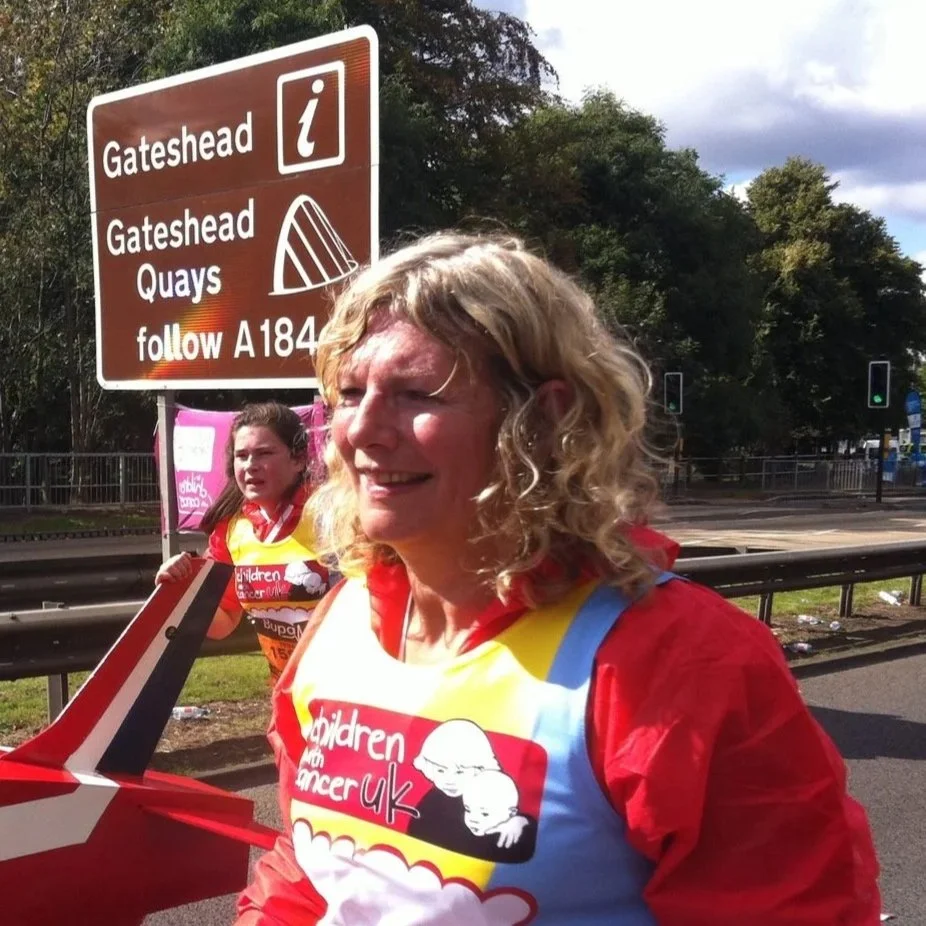
Pat Appleton
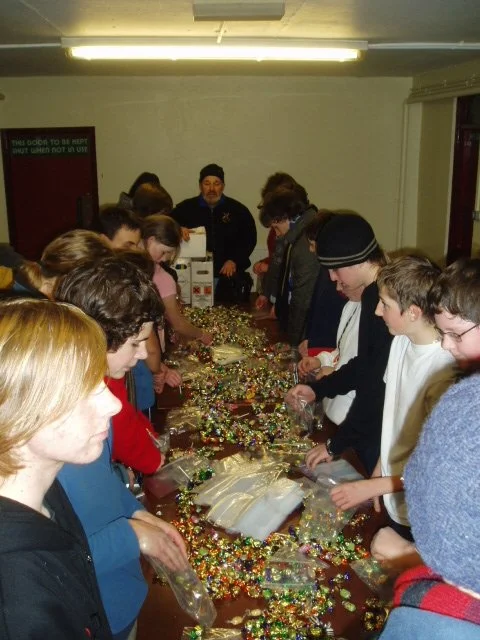
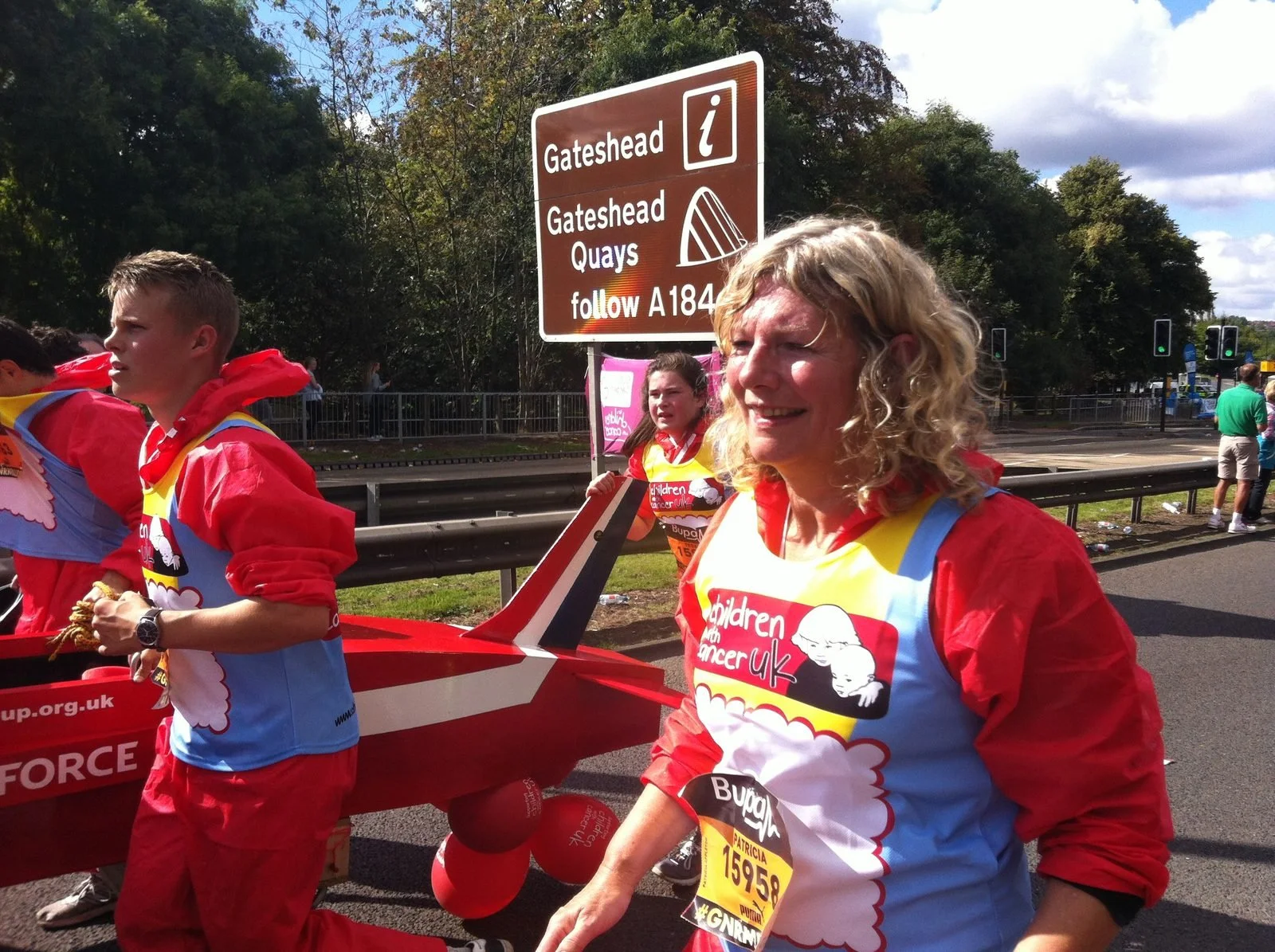
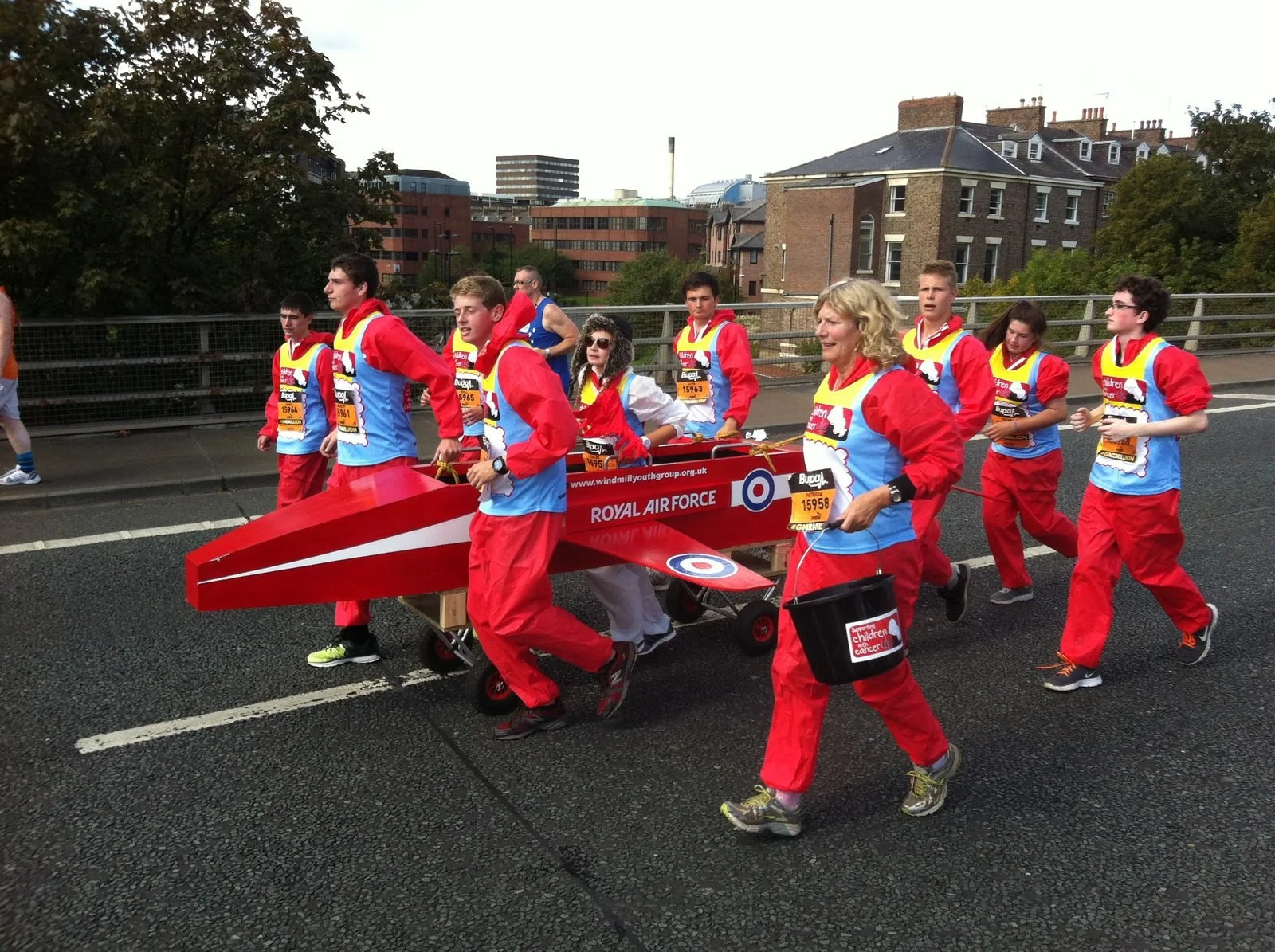
Pat joined the Windmill Youth Group in the 1990s and became one of the people whose commitment and generosity helped sustain its work for many years. A tireless supporter and fundraiser, she played a particularly important role in raising substantial funds for improvements at Snows Heights and in supporting the Group’s wider charitable work.
But Pat’s contribution went far beyond fundraising. She gave her time, energy and encouragement to the young people and people around the Group, becoming an important part of the Windmill Youth Group family. She continued supporting charitable causes until her death in 2017, leaving a legacy that remains part of the Group’s story today.
Sam Sykes - Chairman
Sam grew up through the Windmill Youth Group, completing his own Duke of Edinburgh’s Award and discovering the outdoors through the opportunities the Group created.
He went on to build his career in outdoor education and adventure, founding and leading businesses delivering major expedition programmes, professional instructor development and specialist projects across the UK and internationally, working with schools, leading outdoor brands and the military.
After 15 years as Vice Chairman, Sam succeeded his father as Chairman in 2025. From participant to Chairman, his role now is to carry forward what Stuart, Pat and others built — protecting its values while creating those same life-changing opportunities for a new generation.
A new chapter
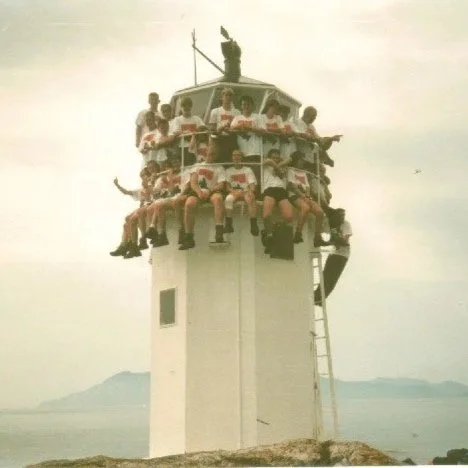
By the end of 2024, the Windmill Youth Group had reached a natural point of change. From 2025 the charity stopped directly delivering its own programme of outdoor activities and moved to a funding and support model.
Today, the Windmill Youth Group focuses on Gold DofE. Young people apply to the charity for support; successful applicants complete their Award through an appropriate DofE provider, while the Windmill Youth Group funds the agreed costs and helps remove practical financial barriers.
The delivery model is different. The underlying idea is not: give young people access to a worthwhile challenge, expect commitment in return, and help them discover what they can achieve.
The story carries on.
If Gold DofE is something you want to take on - or you would like to help another young person do it - this is where the next chapter starts.